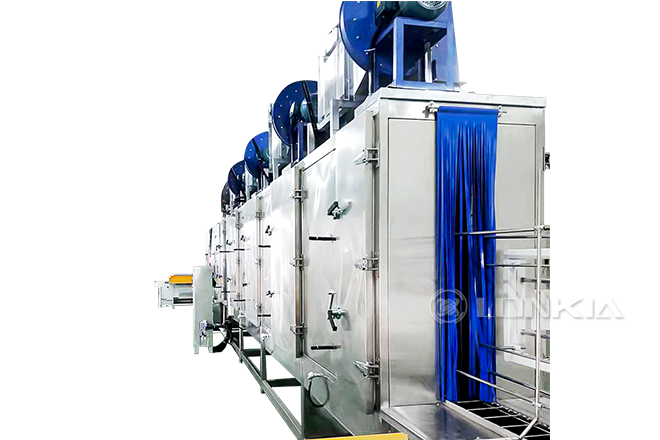
In industries such as food processing and logistics warehousing, the cleanliness of pallets directly impacts production stability and product quality. If the wrong model is selected, not only will cleaning performance fall short of requirements, but maintenance costs and the risk of downtime may also increase. Therefore, before purchasing a plastic pallet washing machine, it is essential to conduct a systematic evaluation based on the equipment itself.
Does the Cleaning Method Meet Actual Needs?
Under different operating conditions, the types of contaminants on pallet surfaces vary significantly, such as oil stains, dust, or residues. High-quality equipment typically employs high-pressure spraying and a multi-stage cleaning structure to ensure that every corner is thoroughly covered.
Key considerations include:
- Is the spray pressure adjustable?
- Does the nozzle layout provide comprehensive coverage?
- Does it feature a pre-wash + main wash + rinse configuration?
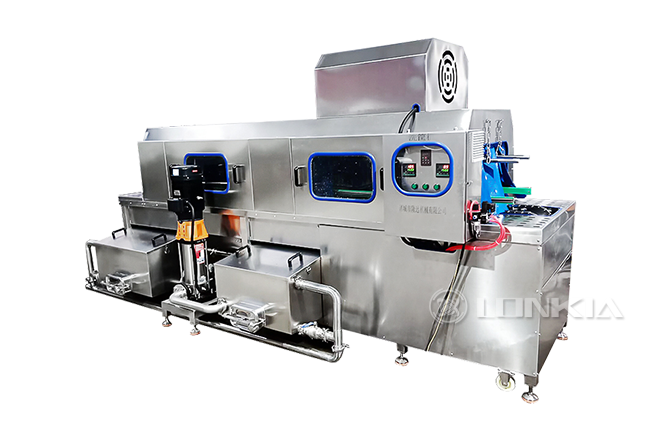
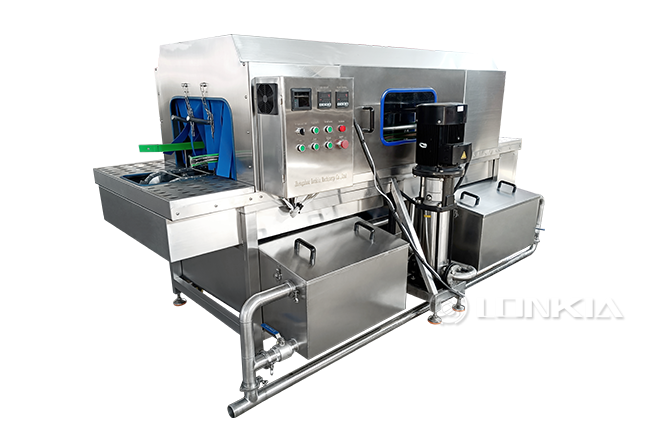
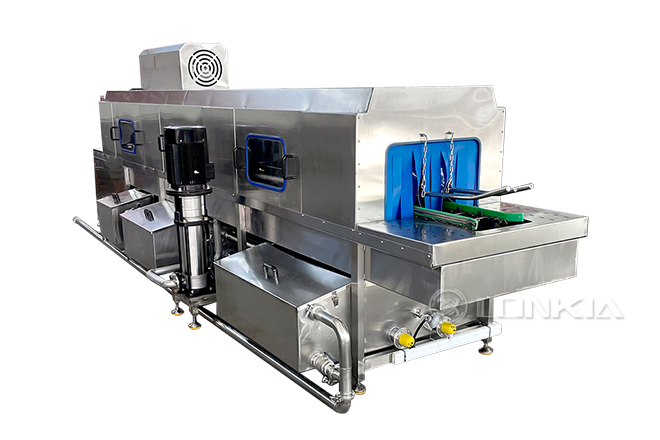
Pallet washing machines like that from Lonkia employ a multi-stage washing process, effectively improving cleaning consistency and preventing residue buildup in hard-to-reach areas.
Are the Equipment Structure and Materials Reliable?
Pallet washing machines operate continuously in high-temperature, high-humidity environments, and structural design directly determines the equipment's lifespan.
Key inspection points include:
- Whether it uses a stainless steel structure (e.g., SUS304)
- Whether the conveyor system is stable
- Whether the interior is easy to maintain and clean
High-quality pallet cleaning equipment typically uses corrosion-resistant materials and is equipped with a stable conveyor system to ensure long-term operation without deformation or rust.
Is the Cleaning Process Comprehensive?
A mature plastic pallet washing machine is not just a simple rinse but a complete process system.
Standard processes generally include:
- Pre-rinse (removing surface contaminants)
- Main wash (removing dirt via high temperature or detergent)
- Rinse (removing residues)
- Drying (reducing residual moisture)
A complete process significantly improves cleaning effectiveness while preventing secondary contamination.
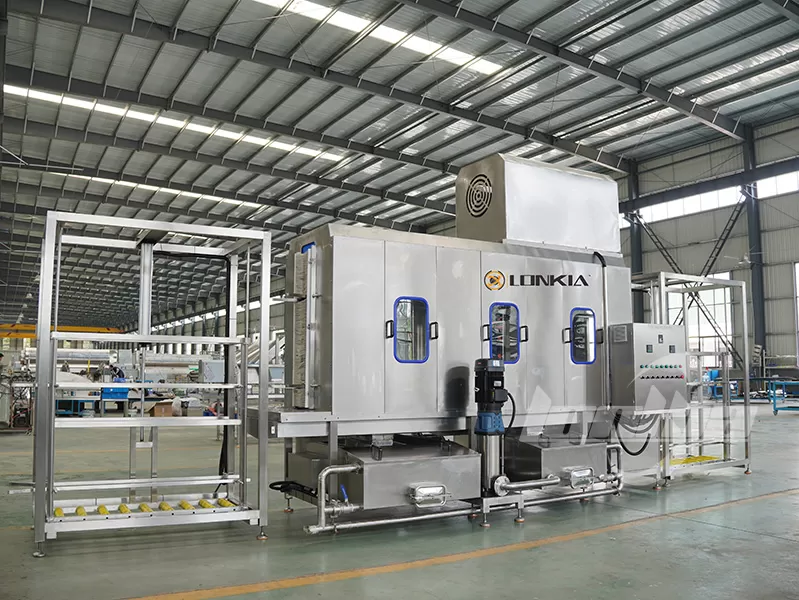
Level of Automation and Control Systems
Modern factories increasingly rely on automated equipment, and pallet washing machines are no exception.
Key considerations:
- Does it feature a PLC control system?
- Does it support automatic conveying?
- Can cleaning parameters be adjusted?
Higher automation reduces manual intervention, improving production continuity and stability.
Does Production Capacity Match Production Pace?
Many customers overlook capacity matching during selection, resulting in the equipment becoming a bottleneck.
Clarify the following:
- Hourly processing capacity
- Does it support continuous operation?
- Can it integrate with existing production lines?
Industrial pallet cleaning equipment typically enables continuous processing, significantly boosting efficiency and reducing wait times.
Does it support customization?
Different companies use trays of varying sizes, materials, and contamination levels, so standard equipment may not be a perfect fit.
High-quality manufacturers typically support:
- Custom sizing
- Adjustment of cleaning stages
- Choice of heating methods
Lonkia offers strong flexibility in customization, optimizing configurations based on actual customer operating conditions to improve equipment compatibility.
Maintenance and Long-Term Operating Costs
Equipment must not only function but also be user-friendly and durable.
When purchasing, consider:
- Whether the nozzles are easy to remove
- Whether the filtration system is robust
- Whether daily cleaning is convenient
Good maintenance design can effectively reduce downtime and extend the equipment’s service life.
Conclusion
Selecting the right plastic pallet washing machine essentially involves a comprehensive evaluation of cleaning performance, equipment stability, and production efficiency. Only by conducting a thorough assessment of cleaning methods, structural design, automation levels, and production capacity alignment can you truly select equipment that suits your factory’s needs.
If you aim to improve overall efficiency while ensuring cleaning performance, we recommend prioritizing equipment solutions with proven designs and flexible configurations, as these directly impact the stability of subsequent production and cost control.