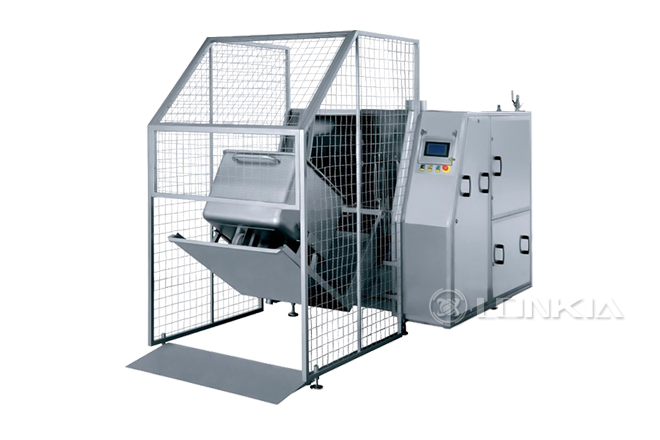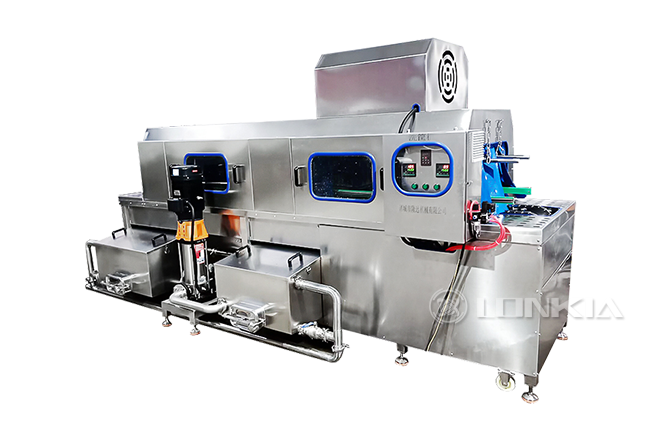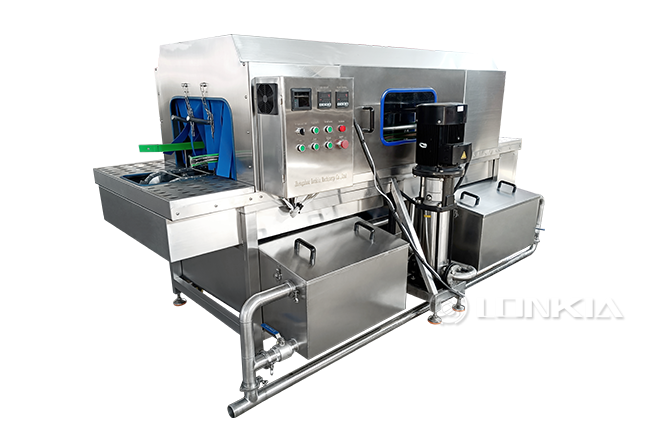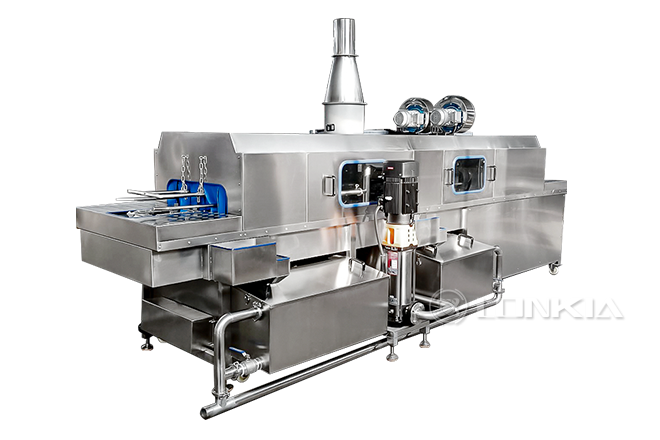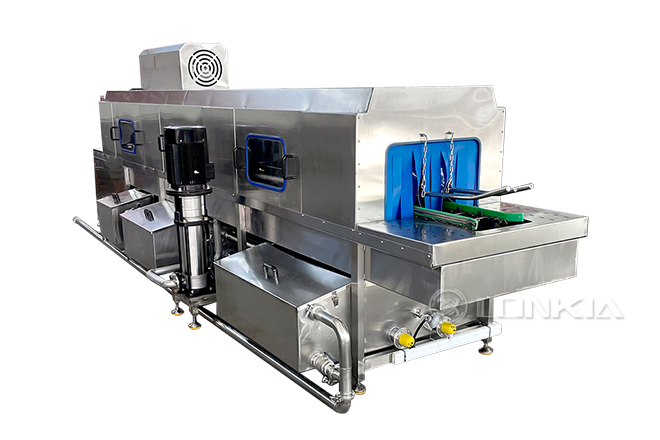
In the food processing, central kitchen, and logistics industries, trolley washer machines have become essential equipment for ensuring hygiene and improving efficiency. However, faced with machines of varying designs, configurations, and specifications, many customers find themselves confused when selecting a model: Which one truly meets their production needs?
This article will help you identify the key considerations for selection and avoid common procurement pitfalls.
Define Cleaning Requirements: The Core of Equipment Configuration
Before selecting a trolley cleaning machine, you must first understand your specific operating conditions:
- Trolley type (European standard trolleys, material trolleys, stainless steel trolleys, etc.)
- Degree of contamination (oil stains, food residue, blood, etc.)
- Cleaning standards (standard cleaning or disinfection)
The degree of contamination determines whether a high-temperature hot water and detergent system is required, while high-standard hygiene requirements necessitate the addition of a disinfection module.
👉 Industry-standard equipment typically uses high-pressure hot water sprays to thoroughly clean all surfaces, ensuring no blind spots are missed
Evaluate the Cleaning System: Determines the Thoroughness of Results
The core of a high-quality trolley washer machine lies in its cleaning system design. Key considerations include:
1. Spray Configuration
- Multi-angle nozzles (left/right + top + bottom)
- Whether spray coverage is comprehensive
- Whether there are any cleaning blind spots
Advanced equipment typically uses a multi-directional spray system to repeatedly rinse the entire surface, ensuring consistent cleaning.
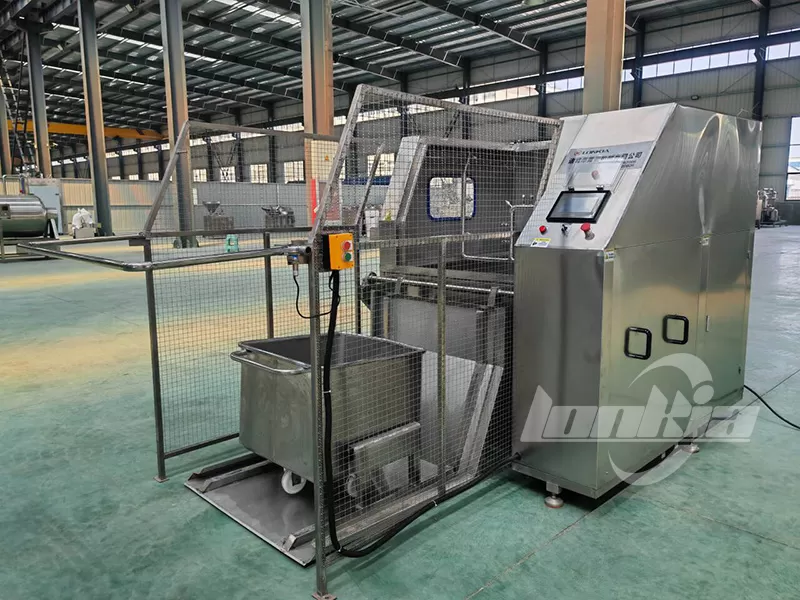
2. Water Circulation and Filtration System
- Does it use a recirculating water system?
- Does it include a filtration device?
- Does it prevent nozzle clogging?
👉 Equipment with a filtration system can continuously remove residue, maintaining stable cleaning performance.
3. Cleaning Process Design
It is recommended to choose trolley washing machine with a complete cleaning process:
- Pre-rinse
- Main wash
- Rinse
- (Optional) Drying
A segmented cleaning process can significantly improve cleanliness and consistency.
Focus on Structural Design: Impact on User Experience and Efficiency
Equipment structure directly affects operational efficiency and long-term usability:
1. Material Selection
- Prioritize 304 stainless steel
- Corrosion-resistant and easy to clean
2. Entry/Exit Configuration
- Single-door / Double-door structure
- Does it separate clean and dirty zones?
👉 A double-door design separates dirty and clean trolleys, enhancing hygiene and safety
3. Loading Method
- Includes rails or ramps
- Is it easy to push in and out?
A well-designed system reduces manual labor intensity.
Assess Automation Level: Directly Impacts Labor Costs
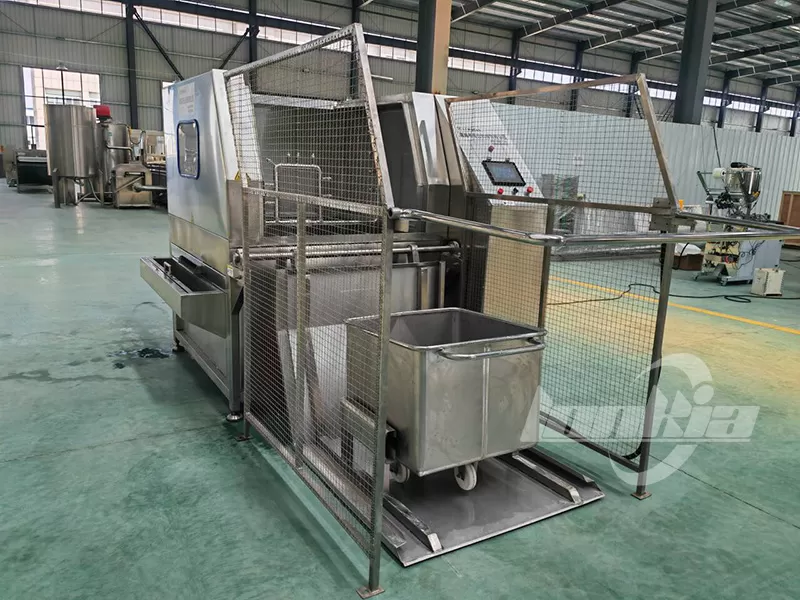
Modern trolley cleaning machines typically feature automated control systems:
- PLC control
- One-button start
- Automatic completion of the cleaning process
👉 Automated equipment ensures stable operation, reduces manual intervention, and improves efficiency
This is particularly critical for factories with large-scale production.
Capacity Matching: Avoid Oversized or Underpowered Equipment
When selecting a model, it must match actual production output:
- Number of units cleaned per hour
- Cycle time per wash
- Whether continuous operation is required
For example, industry-standard trolley washer machine typically achieves a capacity of 20–40 units per hour or higher
Too low a capacity will disrupt production rhythms, while too high a capacity will increase costs.
Customization Support: Determining Long-Term Adaptability
Since trolley dimensions and structures vary significantly among different customers, it is recommended to choose manufacturers that support customization:
- Custom dimensions
- Adjustable spray angles
- Addition of functional modules (disinfection/drying)
Equipment suppliers like Lonkia can typically optimize designs based on customer operating conditions, ensuring the equipment better fits actual usage scenarios.
Stability and Maintenance: Impacting Long-Term Operating Costs
The final key consideration is equipment reliability:
- Are the nozzles easy to replace?
- Are the pipes easy to clean?
- Is the equipment easy to maintain?
High-quality equipment typically features a modular design, making maintenance simpler and extending the service life.
Conclusion
Selecting the right trolley washer machine is fundamentally about finding the solution that best matches your production needs, rather than simply pursuing the lowest price or highest specifications.
A well-designed machine not only improves cleaning efficiency but also significantly reduces labor costs and enhances hygiene standards. If you aim to strike a balance between efficiency and quality, we recommend prioritizing the machine's structure and cleaning system over mere specifications.
In real-world projects, customized solutions like those offered by Lonkia often better help clients achieve long-term stable operation and a higher return on investment.