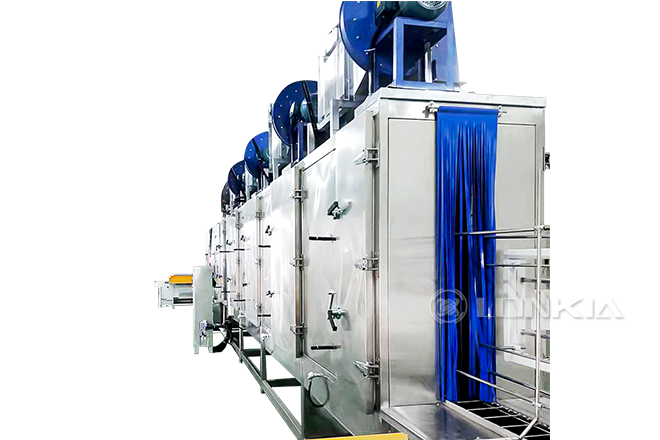
Before reusable glass bottles can re-enter the filling or packaging process, they typically require treatment to remove old labels, adhesive, beverage residues, grease, and other contaminants. Especially for bottles that have been used multiple times, simply rinsing with water often fails to achieve consistent cleaning results. Therefore, when selecting a suitable glass jar washing machine, the key consideration is not just cleaning speed, but whether the equipment can continuously and thoroughly handle different types of residues.
Why Are Stubborn Labels and Residues Difficult to Clean?
Labels and Adhesive Easily Adhere to the Bottle Surface
Paper labels may soften when exposed to water, but the adhesive on the back remains firmly attached to the glass surface. If not properly removed, paper debris, adhesive marks, or label fragments may remain on the bottle and carry over into subsequent cleaning stages.
Residues Inside the Bottle Also Require Special Attention
Residual liquids from products such as beverages, sauces, and dairy products may adhere to the bottom, shoulder, and walls of the bottle. Containers with narrow openings can also make it more difficult to achieve thorough spray coverage; therefore, the glass jar washing machine must ensure effective cleaning both inside and outside the bottle.
How Does the Glass Jar Washing Machine Address These Issues?
Multi-Stage Spraying Helps Remove Contaminants Step by Step
The glass jar washing machine can be configured with different processing stages based on actual cleaning requirements. The initial stage involves pre-washing to soften and remove some labels and residues, followed by further cleaning of the bottle body using the spray system, and finally a rinse with clean water to reduce contaminants and cleaning solution residues.
For stubborn labels and adhesives, the cleaning temperature, spray pressure, processing time, and nozzle arrangement must be appropriately matched. Compared to single-stream washing, multi-stage processing is more effective at maintaining cleaning consistency during continuous production.
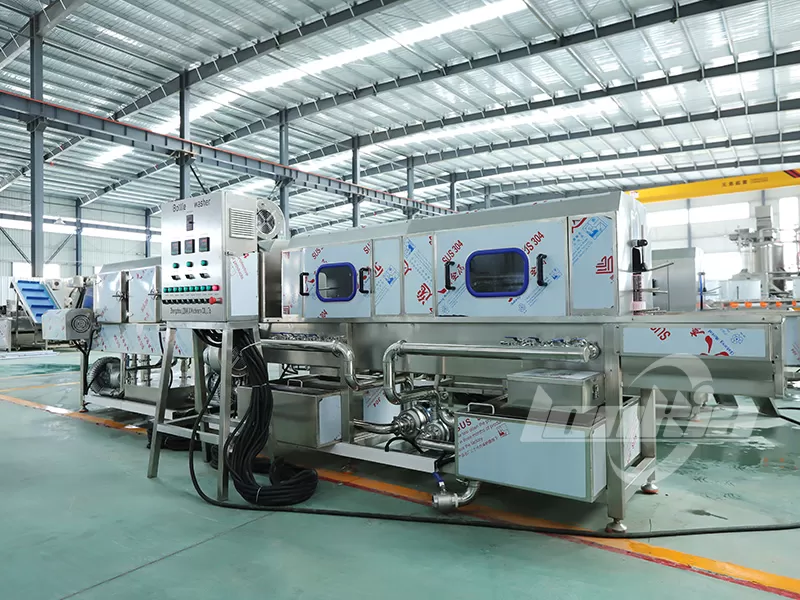
Conveyor and Spray Systems Must Work in Tandem
Glass bottles must maintain a relatively stable position during conveyance to ensure that the nozzles can cover both the exterior and interior surfaces of the bottles. For containers of varying heights, diameters, and mouth sizes, the conveyor structure and spray positions can be adjusted according to the specific bottle type.
How to Select the Right Glass Bottle Washer?
Before purchasing, it is recommended to prepare the following information:
- The height, diameter, and mouth size of the glass bottles
- The number of bottles to be processed per hour
- Label material and adhesive type
- Primary residues inside the bottles
- Whether sterilization or drying is required
- Whether a single set of equipment needs to accommodate different bottle types
These parameters help manufacturers determine whether the spray method, conveyor structure, and cleaning process require customization.
Achieving Consistent Cleaning Results for Recycled Glass Bottles
For glass bottles with heavy label residue and other contaminants, truly effective cleaning involves more than just increasing water pressure; it requires a well-balanced combination of pre-wash, spraying, rinsing, filtration, disinfection, and drying stages. Selecting a glass jar washing machine that matches the bottle type, contamination level, and production cycle can help businesses establish a more stable bottle processing workflow.
If you are processing recycled glass bottles of varying specifications, please provide the bottle dimensions, processing capacity, and contamination levels. LONKIA can then offer equipment configuration recommendations based on your specific needs.