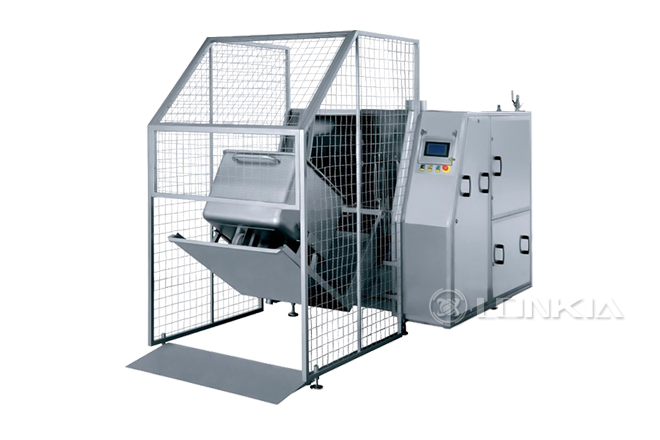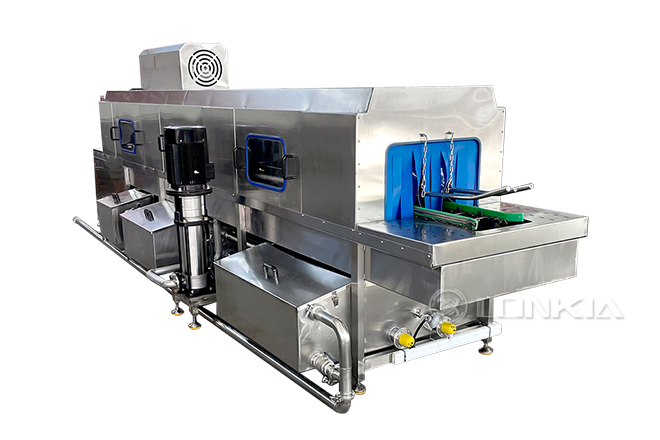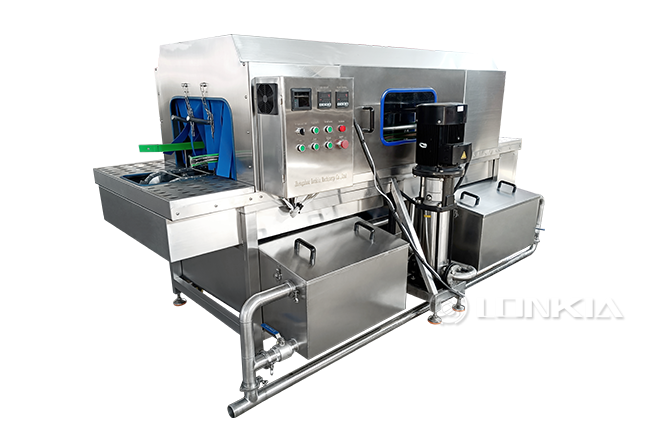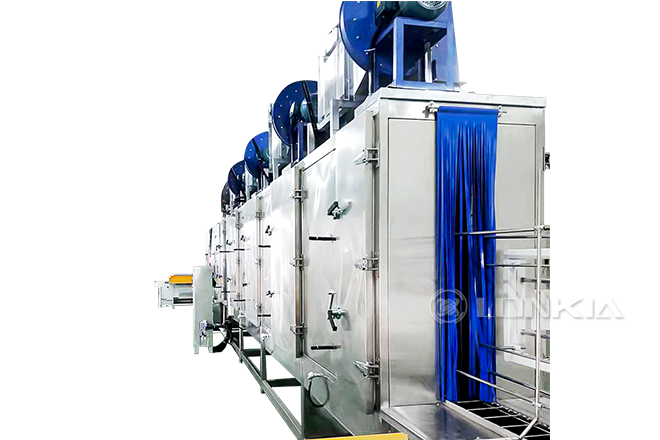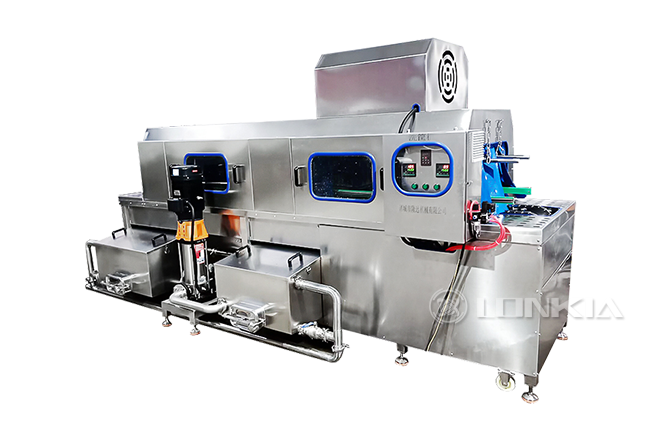
In industries such as food processing, meat processing, seafood processing, and central kitchens, turnover crates require frequent daily use and cleaning. As production scales up, more and more companies are adopting crate washing machines to improve cleaning efficiency and hygiene standards.
However, when purchasing crate-washing equipment, many customers share a common concern: What capacity of crate-washing machine does my factory actually need?
Selecting a capacity that is too low can easily disrupt production rhythms; conversely, choosing a capacity that is too high may increase equipment investment costs. Therefore, properly matching actual needs is a critical step in selecting equipment.
Why is Capacity Selection so Important?
The core function of crate washing machines is to ensure that return crates are returned to the production line in a timely and consistent manner. If the equipment's processing capacity cannot keep up with production speed, it will lead to backlogs of return crates and piles of crates awaiting washing, thereby affecting overall production efficiency.
For factories operating on a continuous production schedule, crate washing equipment serves as a vital link connecting production, warehousing, and logistics; its processing capacity must be coordinated with the entire production line.
Therefore, when selecting a plastic crate washer, one should not focus solely on the physical dimensions but must also consider the number of crates that can be washed per hour.
How Do You Calculate the Actual Required Washing Capacity?
To determine the capacity of crate washing machines, you first need to calculate the number of crates used daily in the factory.
For example:
- 4,000 crates used daily
- 8 hours of operation per day
This means approximately 500 crates need to be washed per hour on average.
If the facility has designated washing periods or production peaks, a certain margin must be built in to ensure the equipment can operate stably even under high loads.
Rather than simply calculating based on daily output, it is recommended to evaluate the system in conjunction with actual production rhythms to obtain a more accurate equipment configuration plan.
What Factors Affect the Equipment's Actual Processing Capacity?
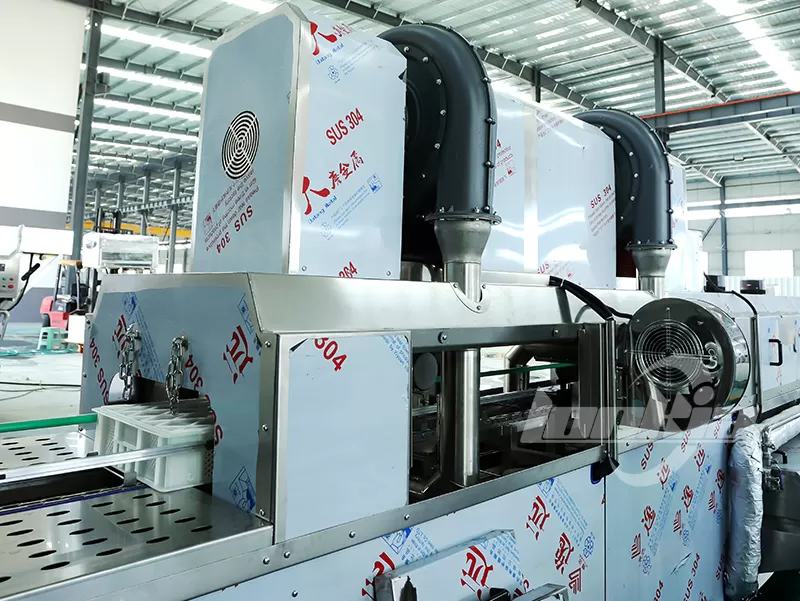
Many customers believe that capacity is solely related to conveyor speed; in reality, there are far more factors that influence the efficiency of crate washing machines.
These primarily include:
- Crate size and structure
- Degree of contamination
- Spray system configuration
- Number of washing stages
- Water temperature control system
- Conveyor belt speed
For crates with significant grease residue or heavy soiling, additional pre-wash and main wash stages are typically required to ensure optimal cleaning results.
Consequently, equipment with the same nominal capacity may exhibit varying actual performance under different operating conditions.
Allowing for Future Expansion is Equally Important
Many companies consider only current production volume when purchasing crate cleaning machine, neglecting future growth needs.
In reality, as orders increase and production lines expand, the number of crates in use often rises rapidly. If the crate cleaning equipment's capacity does not allow for future growth, it may need to be replaced later on.
Therefore, it is recommended to maintain a certain margin of capacity beyond current production needs to support future expansion.
This not only reduces the need for repeated investments in the future but also contributes to the long-term stable operation of the production system.
How to Choose the Most Suitable Crate Washing Machines?
In addition to focusing on capacity figures, the overall design of the equipment is equally important.
High-quality crate washing machines typically feature the following characteristics:
- All-stainless-steel construction
- High-pressure multi-angle spray system
- Recirculating filtration system
- Automatic temperature control system
- Adjustable conveyor speed
- Modular design for easy maintenance and cleaning
These configurations not only affect cleaning performance but also directly impact the long-term operational stability of the equipment.
As a professional manufacturer of cleaning equipment, Lonkia can provide tailored equipment solutions based on customers' crate specifications, production cycles, and factory layouts, helping customers achieve a more suitable production capacity configuration.
Conclusion
Selecting crate washing machines with the appropriate capacity requires a comprehensive evaluation of actual production needs, future development plans, and equipment specifications.
A crate washing system that matches production rhythms not only ensures consistent cleaning results but also enhances overall production efficiency, providing reliable support for the long-term operation of your business. If you are planning a new washing system or upgrading existing equipment, please contact Lonkia for professional equipment selection advice.