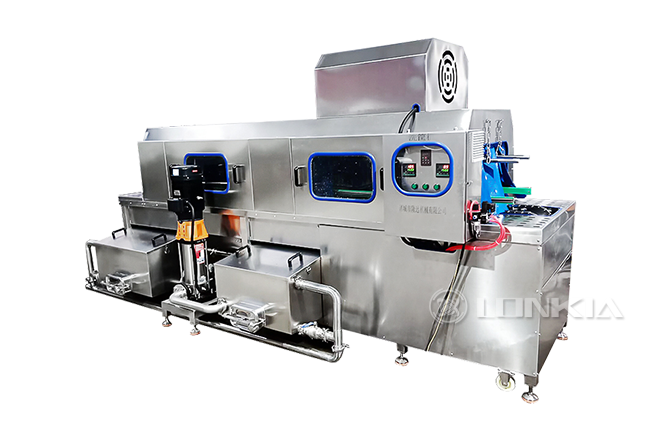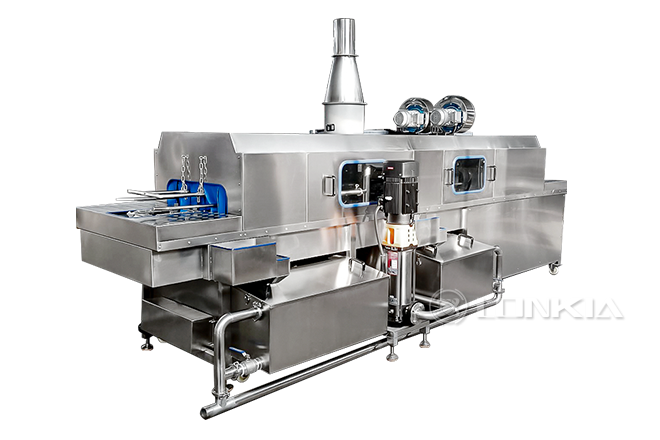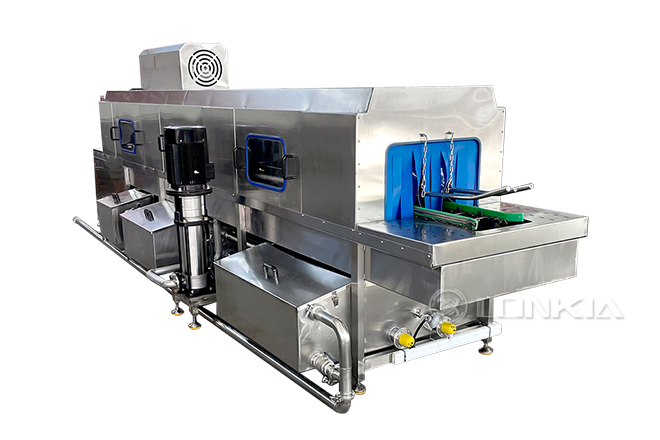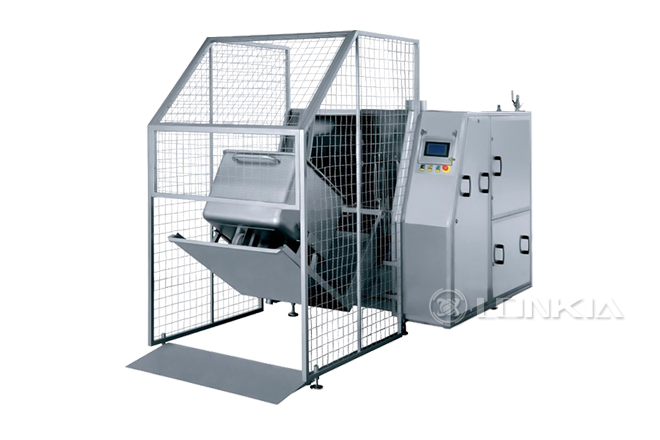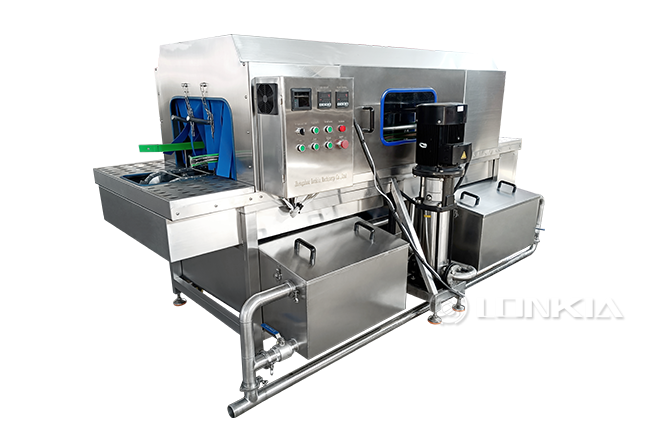
When purchasing a bakery tray washing machine, many customers find that, even for the same type of machine, quotes from different manufacturers can vary significantly. In reality, the price of the equipment is not determined by a single factor but is closely related to the machine's configuration, structural design, cleaning process, and customization requirements. Understanding these key factors can help purchasers avoid focusing solely on price while overlooking the equipment's actual value, thereby enabling them to select a solution that best suits their production needs.
Cleaning System Configuration Determines the Equipment's Core Value
The high-pressure spray system is the core of a bakery tray washing machine. The number of nozzles, spray angles, pump pressure, and the water recirculation system all directly impact cleaning effectiveness and are also key factors influencing equipment costs.
Better-configured equipment typically features multiple cleaning stages—such as pre-wash, main wash, and rinse—to ensure that grease, batter residue, and baked-on stains on the tray surfaces are thoroughly removed, thereby guaranteeing hygienic stability in subsequent production processes. Rather than focusing solely on price, it is more important to assess whether the equipment can meet actual cleaning requirements.
Materials and Manufacturing Processes Affect Service Life
High-quality bakery tray washing machines are typically manufactured from food-grade 304 stainless steel, which offers excellent corrosion resistance and high-temperature tolerance. In addition to the material itself, manufacturing details such as welding techniques, frame structure, and sealing design also affect the equipment's stability and service life.
Although high-quality manufacturing increases the initial purchase cost, it reduces maintenance frequency and improves equipment reliability during long-term operation, thereby offering greater overall value.
Automation Configuration Affects Equipment Price
Different customers have varying requirements for the level of automation, so equipment configurations may differ accordingly.
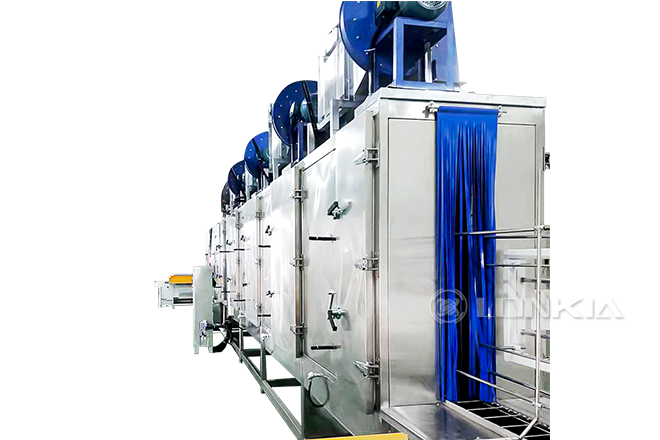
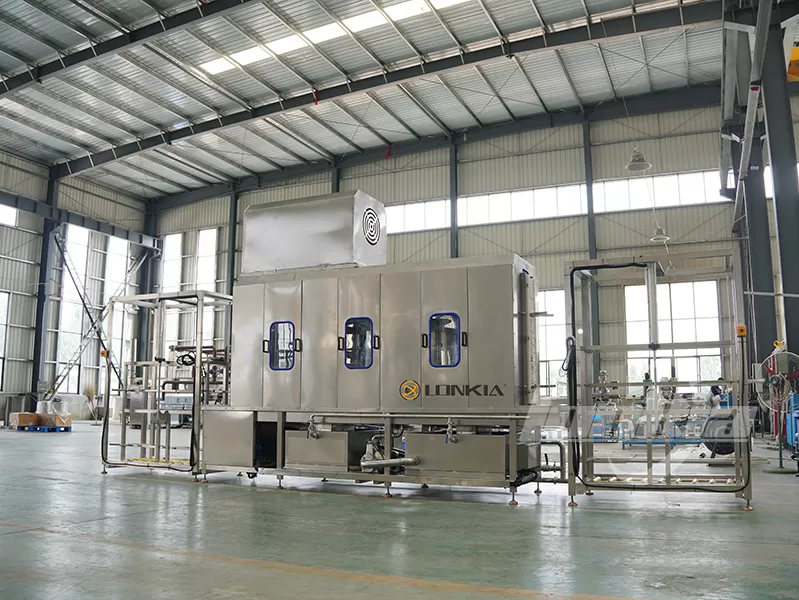
For example, optional features such as a PLC control system, automatic temperature control, water recirculation and filtration systems, automatic water replenishment devices, and air-drying modules can further enhance the tray washer machine's ease of operation and continuous running capability. While these features may affect the final quote, they also reduce the need for manual intervention and improve overall cleaning efficiency. Lonkia can provide flexible configuration solutions based on customers' actual production needs, achieving a reasonable balance between equipment performance and investment budget.
Custom Design Is also A Key Factor Affecting Price
Since the tray sizes, thicknesses, and production cycles used by baking companies vary, many tray washer machines undergo targeted structural optimization.
For example, conveyor width, wash chamber length, spray zones, and inlet/outlet heights can all be adjusted to fit the actual tray dimensions. Compared to standard equipment, customized solutions better align with production processes, resulting in different pricing.
How to Choose a Bakery Tray Washing Machine with Better Value for Money?
For procurement professionals, the focus should not be solely on the bakery tray washing machine price; rather, a comprehensive evaluation of cleaning effectiveness, equipment stability, ease of maintenance, and alignment with future production needs is essential.
When consulting manufacturers, it is recommended to provide information in advance—such as tray dimensions, items to be washed, production cycle times, and on-site installation conditions—so that the manufacturer can recommend a more suitable configuration and provide a more accurate quote. Choosing an experienced manufacturer, such as Lonkia, not only ensures professional technical support but also guarantees reliable cleaning solutions tailored to your actual needs, enabling the equipment to deliver greater value over the long term.