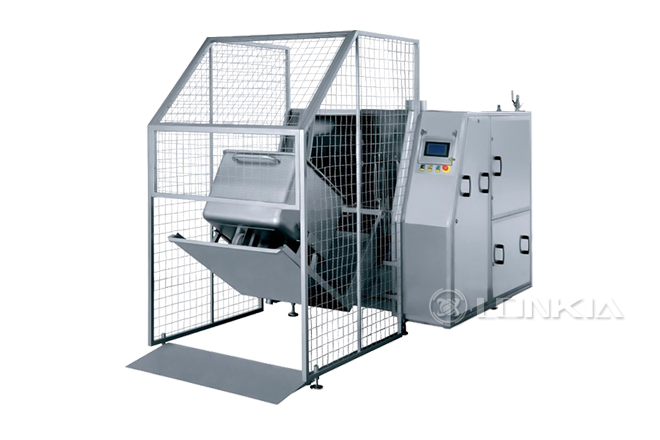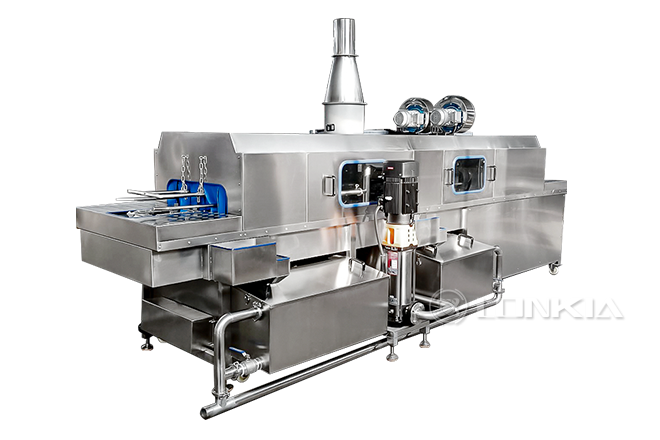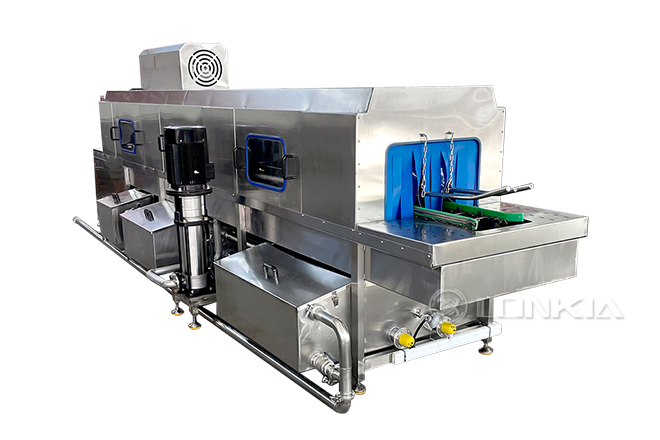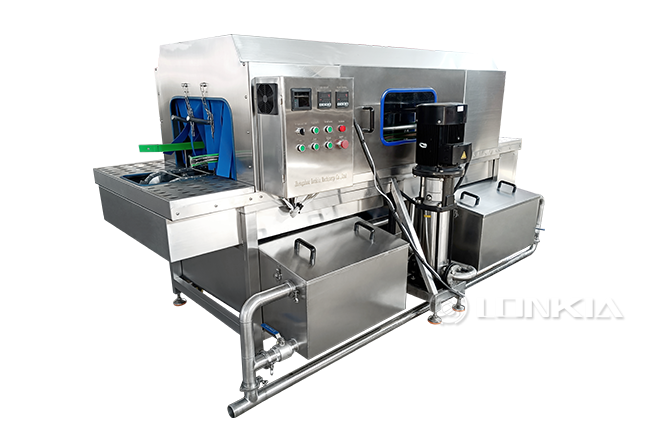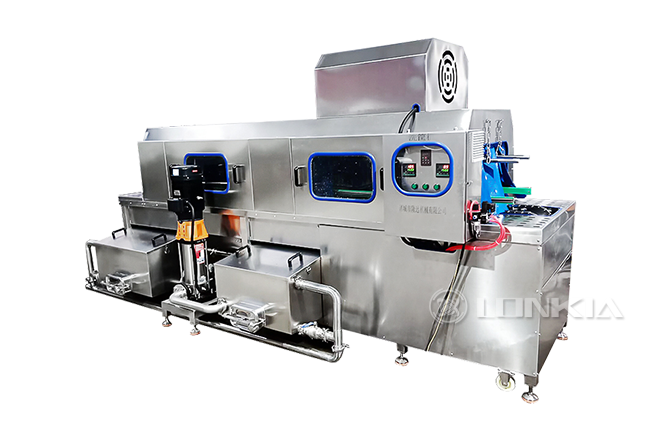
In food processing, meat processing, central kitchens, and bakery production, trolleys play a vital role in transporting raw materials, handling semi-finished products, and moving finished goods. As production scales up, more and more companies are focusing on the cleaning efficiency and hygiene management of their trolleys. Relying solely on manual washing not only consumes a significant amount of labor but can also disrupt production schedules and compromise hygiene standards.
So, what signs indicate that your facility needs to introduce a professional trolley washing machine?
Manual Cleaning is Taking Longer and Longer
Many facilities initially use manual high-pressure water jets to clean trolleys, which suffices when the number of trolleys is small. However, as production volume increases, the number of trolleys requiring daily cleaning continues to rise, and the cleaning process begins to consume a significant amount of time.
If you encounter the following situations:
- Dozens or even hundreds of trolleys need to be washed daily;
- Employees must spend long periods performing repetitive rinsing tasks;
- Queues frequently form in the washing area;
This indicates that your current cleaning method has become a bottleneck for production efficiency.
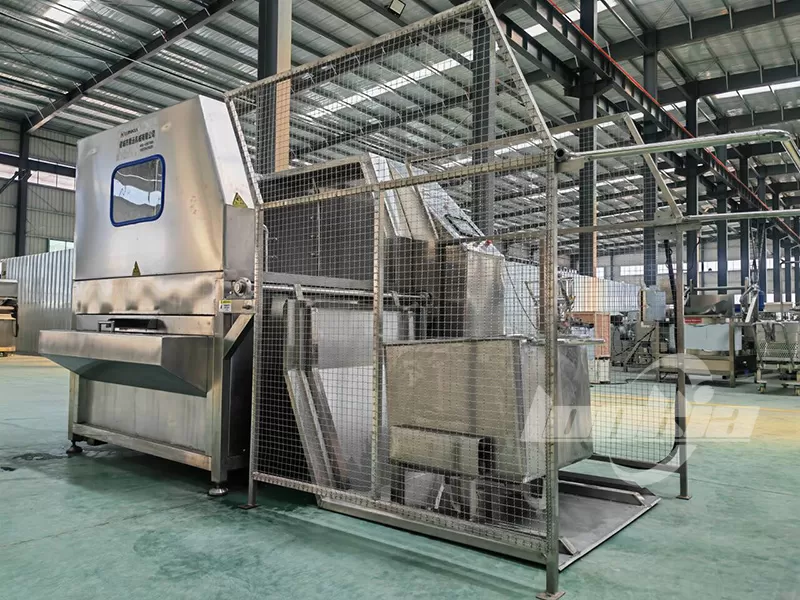
A trolley cleaning machine enables automatic spray washing, significantly reducing the cleaning time per trolley and allowing them to return to the production line for use more quickly.
Inconsistent Trolley Cleaning Results
One of the biggest challenges with manual cleaning is the difficulty in maintaining consistent standards.
Differences in employees' operating habits, rinsing angles, and cleaning durations can easily lead to:
- Inadequate cleaning in certain areas;
- Residual dirt in corners and on the bottom;
- Grease or protein residue on the trolley surface;
Over time, this not only complicates hygiene management but may also compromise the quality of the production environment.
Professional trolley washing machines utilize a multi-angle high-pressure spray system that provides comprehensive coverage of the trolley's interior, bottom, and sides, ensuring more consistent cleaning results.
Rising Hygiene Audit Requirements
Modern food processing facilities place increasing emphasis on hygiene management.
When companies need to pass customer audits, third-party inspections, or elevate internal hygiene standards, trolleys—as equipment that frequently comes into contact with products and raw materials—often become a key focus of inspection.
If a company finds that:
- Hygiene inspections frequently result in corrective action requests;
- Trolley cleaning records are difficult to standardize;
- Cleaning processes lack unified management;
Then introducing automated cleaning equipment will help establish a more standardized cleaning system.
Labor Costs Continue to Rise
Trolley cleaning is a highly repetitive task.
When companies need to assign multiple employees specifically to cleaning duties, labor costs will continue to rise. Additionally, issues such as staff training, management, and work scheduling must be considered.
In contrast, a trolley washing machine reduces reliance on manual labor, enables more stable and continuous cleaning, and thereby improves overall operational efficiency.
Increasing Variety and Volume of Trolleys
As product lines expand, factories typically introduce trolleys of various specifications to support production workflow.
When the following situations arise:
- The number of trolleys continues to grow;
- Trolley specifications become more diverse;
- Cleaning tasks grow increasingly complex;
Traditional cleaning methods often struggle to meet these demands.
Modern equipment can be custom-designed to accommodate different sizes and structures, better adapting to the factory's future development needs.
How to Choose the Right Trolley Washer Machine?
When selecting trolley washing equipment, it is recommended to focus on the following aspects:
- Trolley size and structure;
- Hourly cleaning capacity requirements;
- Spray system design;
- Water recirculation and filtration system;
- Level of automation;
- Equipment materials and durability;
Professional manufacturers can provide tailored solutions based on the customer's production processes and trolley specifications.
Conclusion
When your facility begins to face issues such as declining cleaning efficiency, increased labor costs, stricter hygiene requirements, and growing pressure on trolley turnover, it often signals that it is time to consider introducing a professional trolley washing machine.
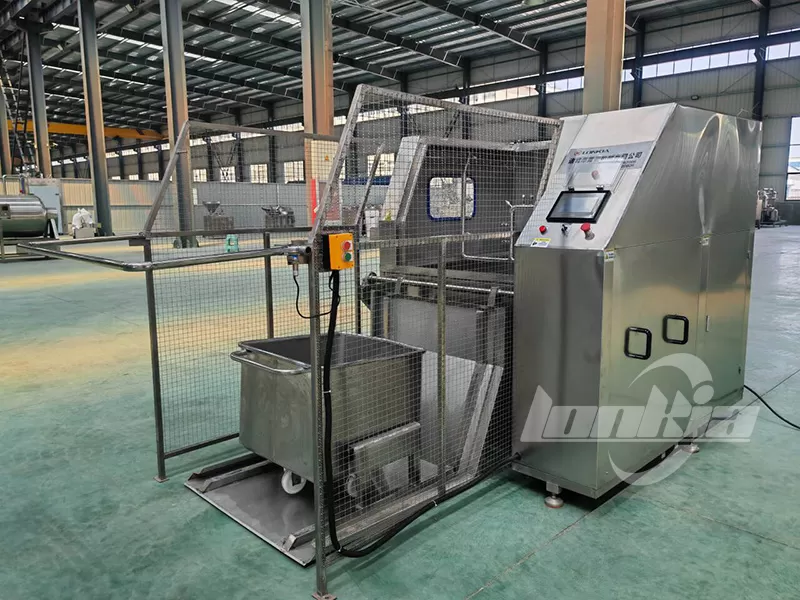
Automated washing not only improves the cleanliness of the trolleys but also optimizes production processes and enhances equipment turnover efficiency. As a brand specializing in food processing equipment solutions, Lonkia can provide customized trolley washer machine solutions tailored to the specific needs of different factories, helping businesses establish more efficient and stable washing systems.