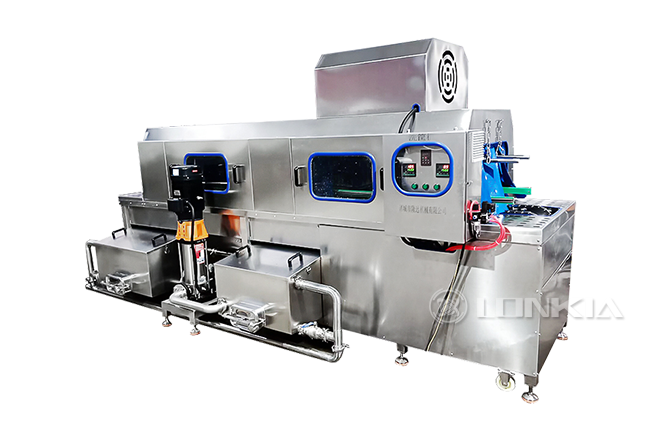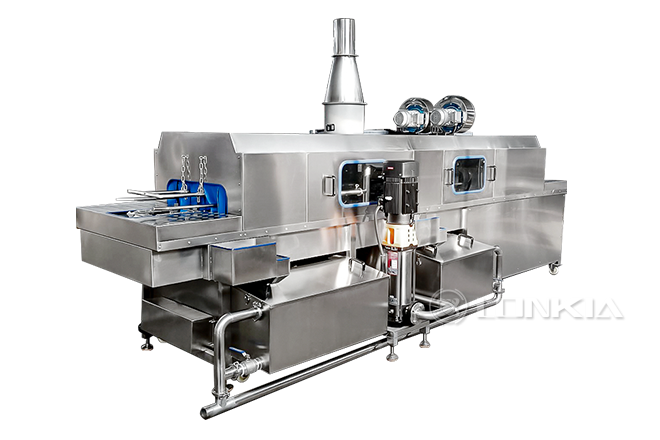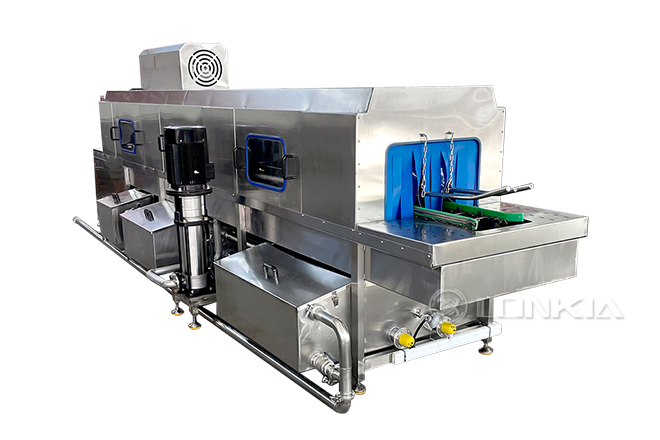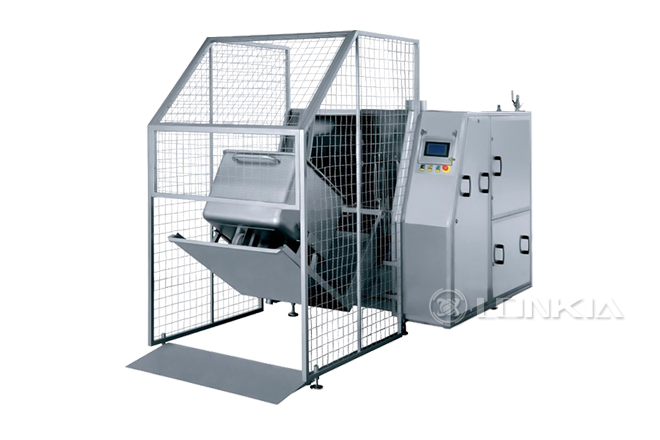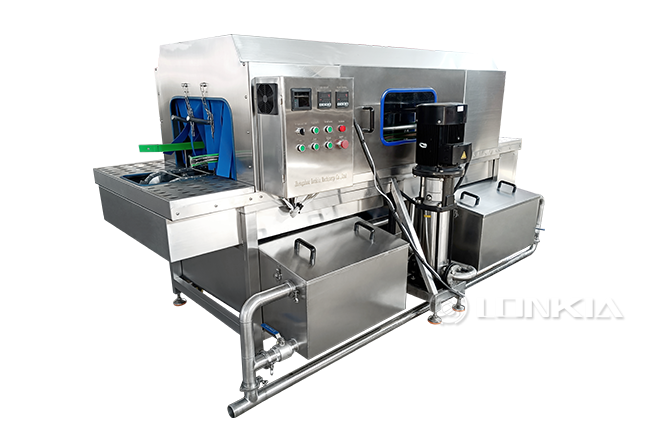
In industries such as food processing, dairy, condiments, and chemicals, plastic buckets are high-turnover containers. If cleaning efficiency cannot keep pace with production, it not only disrupts subsequent filling and packaging but also increases labor costs and hygiene management pressures. As a result, more and more factories are adopting automated plastic bucket washing machines to replace traditional manual washing.
However, many customers face a key question when purchasing: What production capacity should they choose?
Why Production Capacity Is Critical?
When inquiring about equipment, many companies focus solely on the bucket washing machine price while overlooking the importance of matching production capacity. In reality, if the equipment's capacity is too low, it can lead to bucket backlogs and production delays; conversely, if capacity is too high, it results in underutilization of equipment and wasted costs.
A suitable plastic bucket washing machine must not only meet current production needs but also accommodate future production line expansion. Especially in continuous production environments, washing efficiency directly impacts the operational rhythm of the entire workshop.
How to Calculate the Actual Washing Capacity Required?
Before selecting bucket washing equipment, customers should first clarify the following questions:
How many plastic buckets need to be washed daily?
This is the most critical data point. For example:
- Washing 1,000 buckets per day
- With each shift lasting 8 hours
- The actual hourly requirement is approximately 125 buckets
It is also necessary to account for peak production periods to avoid prolonged operation at full capacity.
Degree of Bucket Contamination
Different materials significantly impact cleaning time.
For example:
- Residues from ordinary dust can be cleaned relatively quickly
- Stains from grease, sauces, or syrups require more time
- Fermentation residues or high-viscosity materials typically require hot water and high-pressure spraying
The heavier the contamination, the higher the requirements for spray pressure, water temperature, and cleaning time.
Is a drying function required?
Some factories proceed directly to the filling process after washing. In such cases, it is recommended to choose equipment with an air-drying or drying system.
Although this increases the overall length of the plastic bucket washing machine, it reduces the need for manual wiping and improves overall production efficiency.
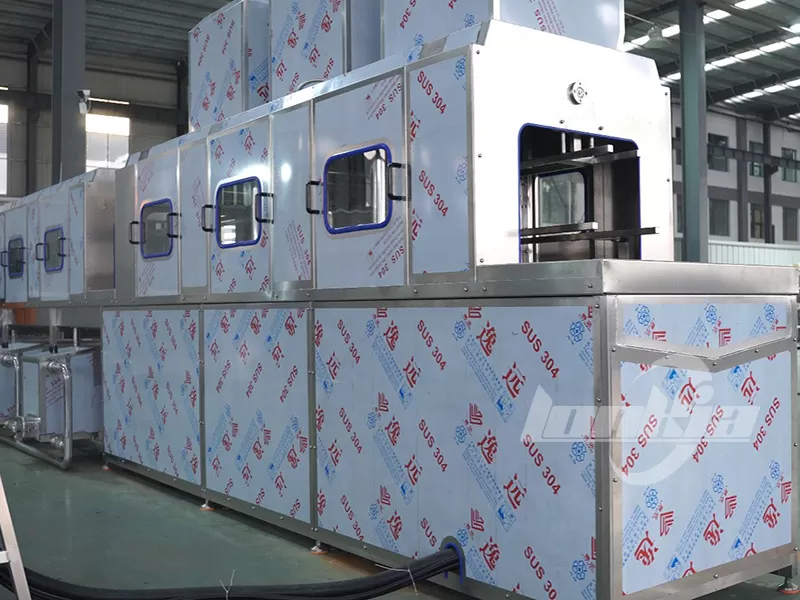
Impact of Automation Level on Production Capacity
Many customers overlook a key factor: true efficiency is influenced not only by cleaning speed but also by the loading and unloading methods.
An automatic conveyor-type plastic bucket washing machine enables continuous bucket feeding and discharge, resulting in more stable overall efficiency. Traditional single-station equipment, however, is better suited for intermittent production.
Industrial cleaning equipment like Lonkia is typically configured based on the customer's on-site conditions:
- Multi-stage spray system
- Automatic conveyor structure
- Hot water recirculation system
- High-pressure spray modules
This ensures consistent cleaning performance even during prolonged continuous operation.
Differences in Production Capacity Requirements Across Industries
The food and dairy industries typically have stricter hygiene requirements, so they incorporate additional rinsing and disinfection steps, resulting in a relatively slower actual cleaning cycle time.
In contrast, the chemical industry places greater emphasis on the ability to remove oil stains and stubborn residues, requiring higher spray pressure and heating capacity.
Consequently, even for the same "300 buckets per hour" capacity, equipment configurations may vary significantly depending on the specific process.
Key Details to Consider When Selecting a Plastic Bucket Washing Machine
In addition to production capacity itself, customers should pay close attention to:
- Whether the nozzle layout is optimal
- Whether the water circulation system is stable
- Whether the conveyor system is prone to bucket jams
- Whether it supports different bucket sizes
- Whether the equipment is constructed from SUS304 stainless steel
- Whether maintenance is convenient
These factors directly impact the long-term user experience.
Conclusion
When selecting a plastic bucket washing machine, what truly matters is not simply pursuing "higher capacity," but finding a solution that aligns with your production rhythm.
A well-designed equipment configuration not only improves cleaning efficiency but also reduces labor costs, minimizes downtime, and helps factories establish more stable hygiene management processes.
If you are planning a plastic bucket washing project, please contact Lonkia to obtain a cleaning solution best suited to your factory's needs.