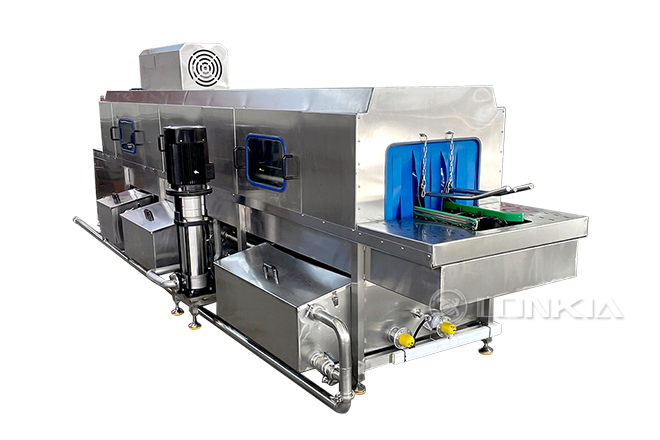
During long-term use, pallets may develop issues such as surface wear, cracked edges, and structural deformation. For food processing, warehousing, and logistics companies, whether these pallets can still be processed through an automated washing system affects not only the cleaning effectiveness but also the operational safety of the equipment. While pallet washing machines can clean some pallets with minor wear, pallets with structural damage or safety hazards should first be inspected and evaluated to determine if they are suitable for continued use.
Which Pallets Are Suitable for Machine Washing?
Not all worn pallets need to be immediately scrapped, but their suitability for washing should be determined based on the extent of the damage.
1. Minor Surface Wear
If a pallet has only minor scratches, surface wear, or stains resulting from normal use, and its overall structure remains intact with no obvious deformation, it can generally be cleaned after confirming material compatibility and equipment suitability. A high-pressure spray system can help remove surface dust, grease, and residues.
2. Cracks, Deformation, and Loose Parts
If a pallet exhibits obvious cracks, warping, fractures, or loose parts, it must be handled with caution. These defects may cause the pallet to jam, tilt, or lose stability during conveyance. For pallets with damaged load-bearing structures, safety should be assessed first; they should not be put back into service solely based on improved appearance after cleaning.
What Risks Might Exist During the Cleaning of Damaged Pallets?
1. Conveyor Jams and Operational Instability
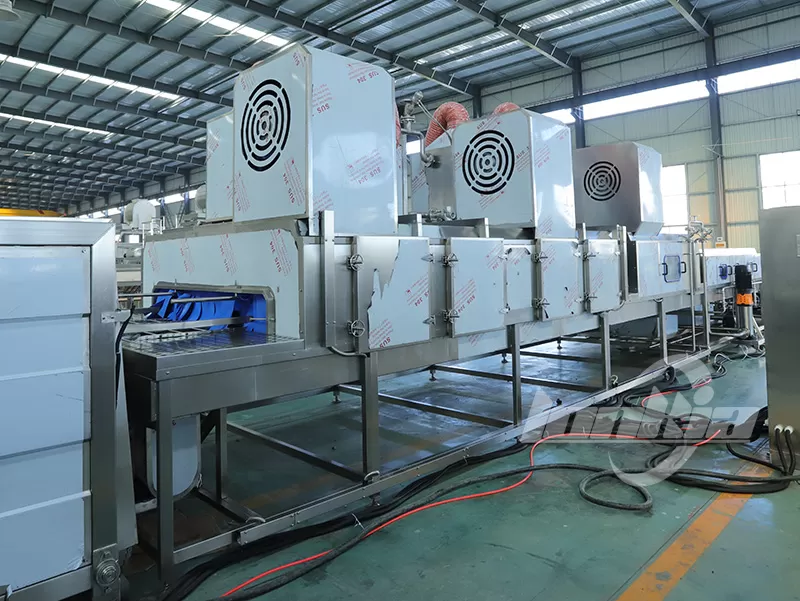
Pallet washing machines typically use a conveyor system to transport pallets through different cleaning zones. Warped edges, protruding debris, or damaged bottom supports may affect pallet positioning and conveyor stability, increasing the risk of jams and equipment downtime.
2. Incomplete Cleaning and Residual Contaminants
Cracks, damaged edges, and hard-to-reach crevices may harbor contaminants that standard spray washing may not fully remove. In production environments with hygiene requirements, even if a pallet's surface appears clean, this does not guarantee that internal cracks meet cleaning standards.
What Preparations Are Needed Before Pallets Enter the Washer?
1. Inspect the condition of the pallets before washing
It is recommended to inspect pallets for cracks, deformation, loose parts, and obviously protruding debris before they enter the pallet cleaning equipment, and to sort out pallets with structural defects separately. For pallets with unclear damage, further inspection should be conducted first rather than directly feeding them into the continuous washing process.
2. Adjust washing parameters based on pallet material
Different plastic materials have varying tolerances for temperature, cleaning agents, and mechanical action. Equipment operators should set cleaning parameters appropriately based on the pallet material, manufacturer's recommendations, and actual contamination levels to avoid accelerating pallet aging due to excessively high temperatures or chemicals.
How Do Pallet Washers Improve Cleaning Reliability?
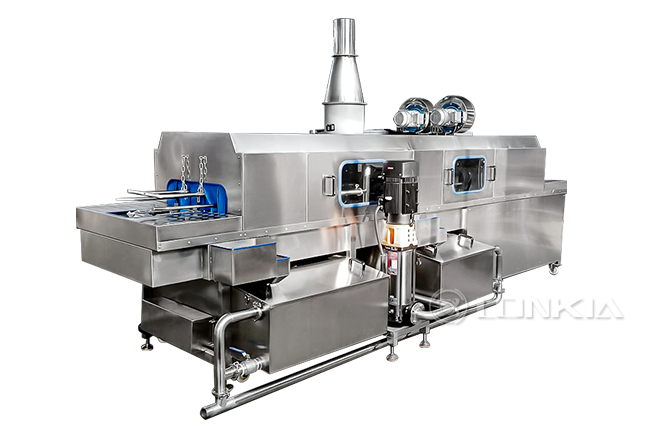
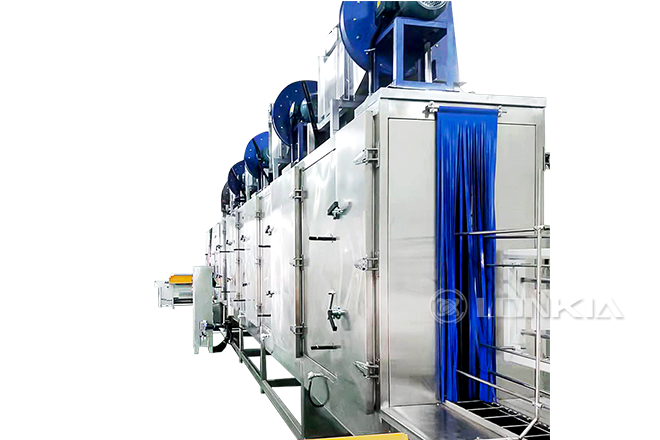
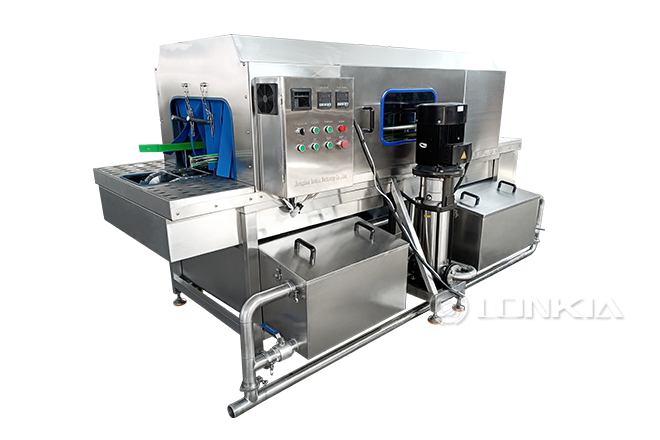
A suitable pallet washing machine can remove common contaminants from pallet surfaces through multi-angle spraying, staged cleaning, and filtration systems. LONKIA pallet washers can be configured with pre-wash, main wash, rinse, and drying functions according to actual needs, helping businesses establish a more stable pallet cleaning process.
However, the pallet cleaning equipment's cleaning capabilities cannot repair structural damage to pallets. When purchasing, it is recommended to provide the pallet's dimensions, material, bottom structure, and typical wear conditions, and to conduct compatibility testing using actual pallets to confirm conveyor stability and cleaning effectiveness.
Conclusion
Whether a pallet is suitable for a pallet washing machine hinges on distinguishing between normal wear and structural damage. Pallets with minor wear and intact structures can generally be washed after confirming equipment compatibility; pallets with cracks, deformation, or loose parts should first be inspected to determine whether they should be repaired or discarded.
By conducting pre-wash inspections, setting appropriate process parameters, and verifying actual cleaning results, businesses can reduce operational risks and improve the level of cleanliness management during pallet reuse.