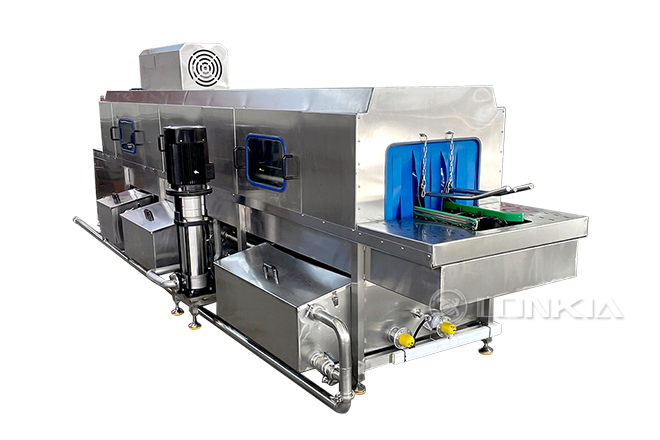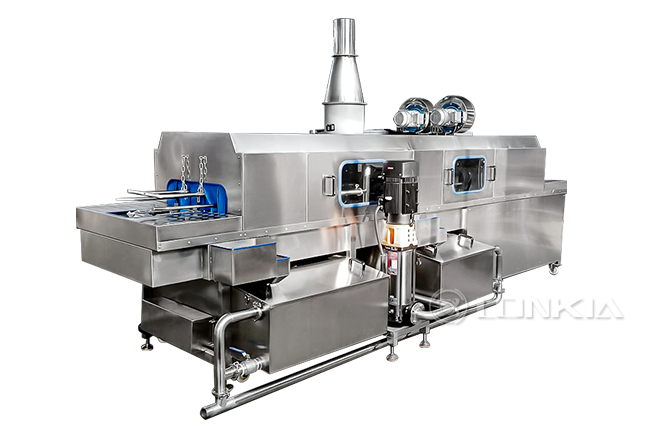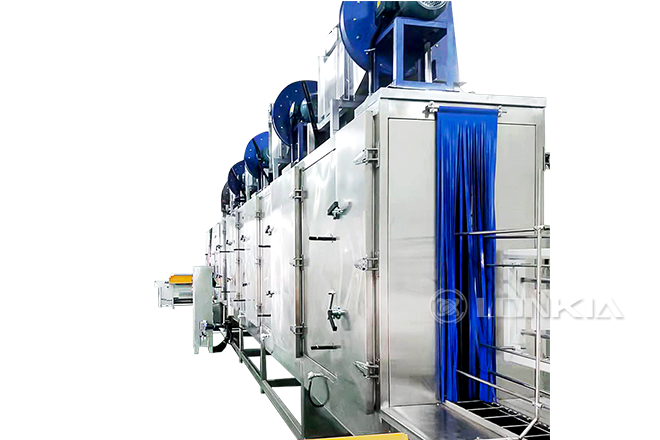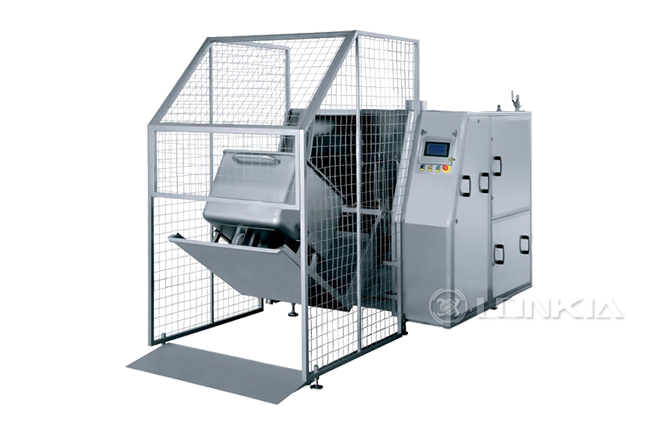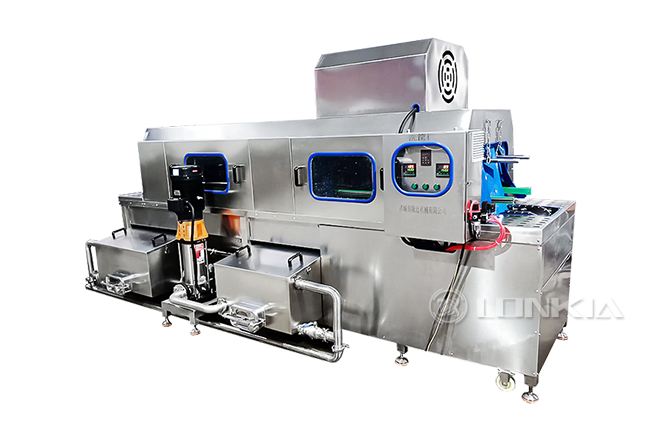
In food processing, beverage production, and returnable container management, daily operations depend on whether barrels are thoroughly cleaned, equipment is compatible with existing barrel types, and cleaning efficiency matches production rhythms. When selecting a suitable bucket washer machine, don't just compare prices or appearance; conduct a comprehensive evaluation that considers barrel specifications, contaminant types, cleaning processes, and actual production capacity.
Confirm the Drum Types and Specifications to Be Washed
1. Measure Drum Dimensions and Structure
Before purchasing, compile a list of the drum types used daily. Measure the drum's diameter, height, and opening size, and inspect the shape of the base, handles, and any protruding features. These details affect whether the drum can enter the washing channel smoothly and whether the spray water can cover critical areas.
If a facility needs to clean barrels of various specifications, special attention should be paid to whether the equipment's cleaning channel is adjustable and whether the stopper mechanism can securely position the barrels. LONKIA bucket washer machines can evaluate channel configurations based on actual barrel types; the specific range of compatibility should be determined through dimensional verification or physical testing.
2. Determine Cleaning Conditions Based on Drum Material
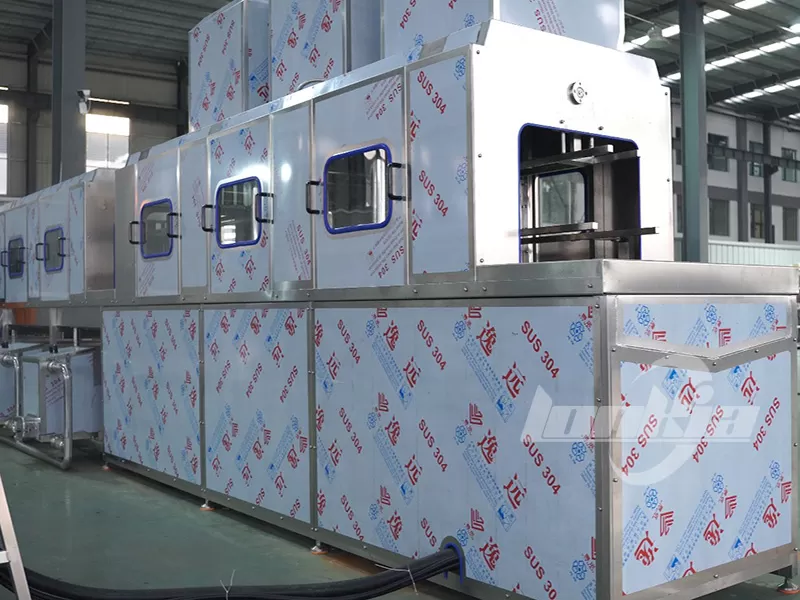
Plastic and stainless steel drums may have different tolerances for temperature, spray intensity, and cleaning methods. When purchasing, provide the drum material, usage conditions, and permissible cleaning temperatures to avoid drum deformation or surface damage caused by improper parameter settings.
Select Cleaning Configuration Based on Contaminant Type
1. Identify Residual Substances Inside the Drum and Cleaning Challenges
Residues such as grease, syrup, sauces, or other food materials may remain inside the drums. Since the degree of adhesion and difficulty of removal vary by residue type, assess before cleaning whether residues have dried and hardened, and identify any hard-to-reach areas on the drum bottom, walls, or rim.
For stubborn residues, test the cleaning effectiveness using actual samples to determine whether pretreatment, water temperature adjustments, or optimized cleaning times are necessary.
2. Focus on Nozzle Layout and Cleaning Coverage
Bucket washer machines clean both the interior and exterior surfaces of buckets via a spray system. When selecting equipment, inspect the nozzle mounting positions, spray directions, and coverage areas, paying particular attention to areas prone to cleaning blind spots, such as the junction between the bucket bottom and walls.
A bucket washing machine featuring adjustable nozzles and a bottom spray design helps adjust cleaning coverage according to the bucket's structure. Actual effectiveness still requires verification using representative bucket types and contamination samples.
Determining Equipment Throughput Based on Production Rhythm
1. Calculate Actual Cleaning Requirements
The required throughput can be estimated based on the daily number of barrels to be cleaned, the number of shifts, and effective operating time. For example, if 1,200 barrels need to be cleaned daily with a planned operating time of 6 hours, an average of approximately 200 barrels must be processed per hour.
This is only the baseline requirement. Loading and unloading times, barrel type changeovers, cleaning cycles, and production peaks should also be considered to ensure that while the equipment's rated capacity meets requirements, it can actually keep pace with the production cycle during actual operation.
2. Confirm the Cleaning and Rinsing Processes
Based on the barrels' subsequent use, determine whether a separate rinsing stage is required and whether air drying is needed after cleaning. Cleaning is primarily used to remove contaminants, while rinsing helps remove any residual detergent. If the buckets need to be returned to the production line immediately, assess whether the residual moisture level meets usage requirements.
Conduct Equipment Testing and On-Site Verification Before Purchase
Before finalizing the model, it is recommended to provide the supplier with the bucket dimensions, material, typical contaminants, target processing capacity, and cleaning requirements, and to conduct tests using actual bucket samples. Focus on inspecting cleaning coverage, residue removal, bucket conveyance stability, and actual processing cycle time.
At the same time, verify the bucket washer machine installation space, water supply and drainage conditions, power requirements, and routine maintenance procedures. LONKIA can evaluate cleaning solutions based on the drum types and production needs provided by the customer, helping customers clarify equipment configurations and applicability before purchasing.
The key to selecting a drum washer is ensuring that the drum type, cleaning process, and production cycle are well-matched. Only after fully confirming these conditions and comparing equipment configurations and quotes can you select cleaning equipment that is best suited for actual production with greater confidence.