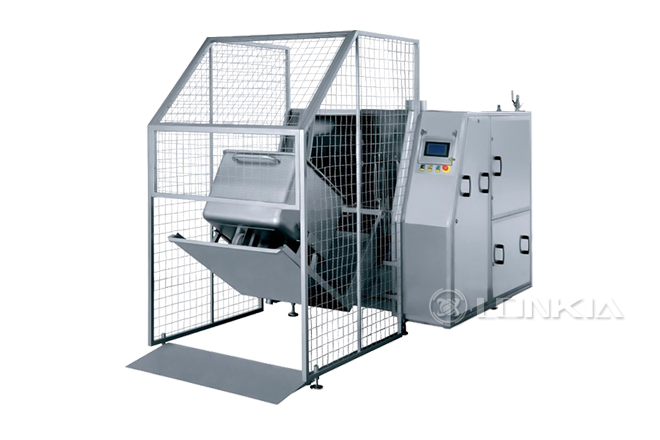
In meat processing plants, plastic pallets are widely used for transporting raw materials, sorting and handling, as well as moving finished products. During frequent use, pallets easily accumulate grease, protein residues, and wastewater. Inadequate cleaning not only compromises the production environment but also poses potential food safety risks. Therefore, a stable and efficient pallet washing machine has become essential equipment for meat processing enterprises to enhance production management standards. This article will guide enterprises in selecting suitable pallet washing equipment by examining factors such as device structure, cleaning capacity, and operational stability.
Why Meat Processing Plants Need Automatic Pallet Washing Equipment?
Traditional manual pallet cleaning typically relies on high-pressure water jets, which not only have limited efficiency but also struggle to maintain consistent cleaning results. When handling large volumes of pallets, manual methods cannot meet the demands of continuous production.
Automatic pallet washing machines utilize conveyor systems to automatically feed pallets into cleaning zones, where high-pressure spray nozzles perform comprehensive washing. These systems operate continuously and reliably, completing the cleaning cycle in minimal time to ensure uninterrupted production line flow. For meat processors, this consistent cleaning capability significantly reduces manual intervention while maintaining uniform pallet hygiene standards.
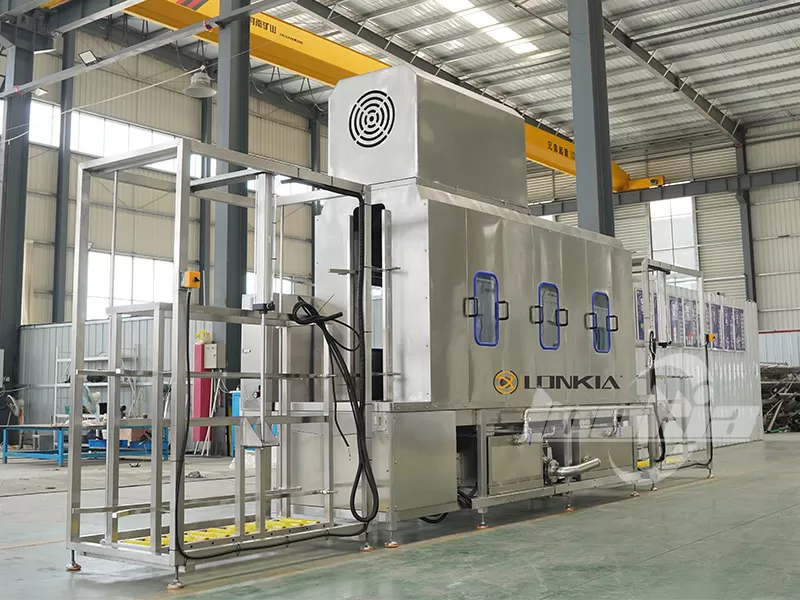
Core Structure and Working Principle of Pallet Washers
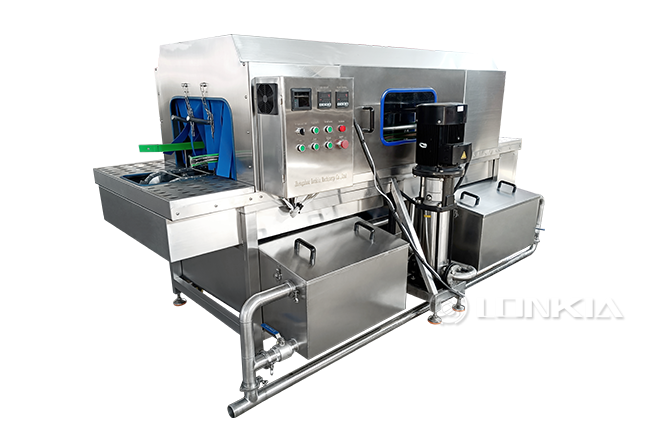
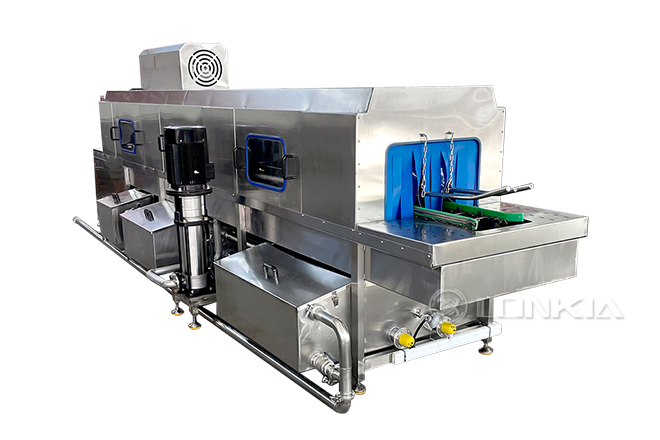
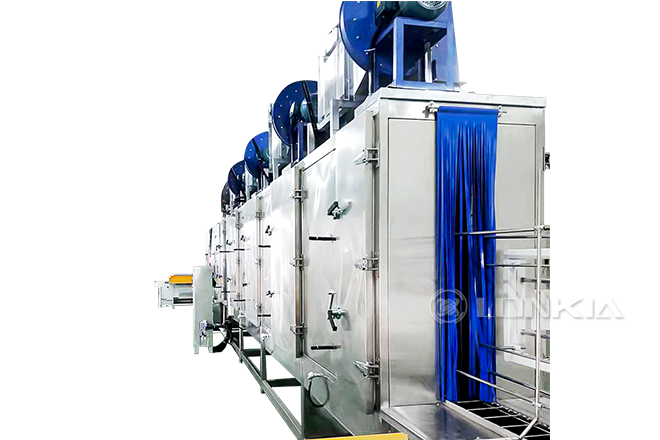
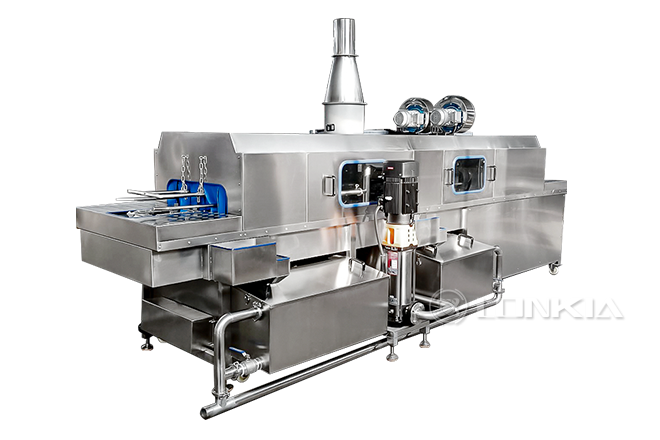
A standard pallet washing machine system typically comprises a conveyor system, spray washing system, water recirculation system, and electrical control system.
After pallets enter the washing chamber via the conveyor, high-pressure nozzles rinse the pallet surfaces from multiple angles, effectively removing grease and residues. The spray system often features multi-row nozzle designs to ensure thorough cleaning of both upper and lower surfaces. During operation, water undergoes filtration and recirculation to maintain consistent cleaning performance.
Equipment operation is centrally managed by a PLC control system, allowing operators to complete automated cleaning cycles by simply setting parameters. This automated structure enables stable operation in continuous production environments.
Key Considerations When Selecting Pallet Cleaning Equipment
When procuring a pallet washer machine, businesses must prioritize whether the equipment's structural design aligns with actual operational requirements.
First is spray system design. High-quality equipment typically employs multi-angle nozzle layouts, ensuring water coverage reaches every corner of the pallet for guaranteed cleaning efficacy. Second is conveyor system stability—a robust conveyor structure ensures pallets enter the cleaning zone smoothly, preventing jams or misalignment.
Additionally, the overall material composition and manufacturing processes are crucial. Food processing environments demand high hygiene standards; stainless steel construction enhances durability while facilitating daily cleaning and maintenance.
Reliable Equipment Boosts Production Efficiency
For meat processing enterprises, a dependable pallet washing system not only improves cleaning efficiency but also streamlines production workflows. A well-designed pallet washing machine maintains continuous operation on the production line, ensuring pallets remain clean throughout the turnover process.
As a food processing equipment manufacturer, Lonkia has accumulated extensive experience in the structural design and manufacturing of pallet washing equipment. Utilizing a proven spray washing structure and a stable conveyor system, the equipment provides reliable pallet washing solutions for meat processing enterprises.
Conclusion
As the food processing industry continuously elevates hygiene standards and production efficiency, automatic pallet washing machine has become a critical component of production lines. When selecting a pallet washer, enterprises should prioritize equipment structure, cleaning capacity, and operational stability. Through optimal equipment configuration, meat processing plants can enhance overall production efficiency while ensuring hygiene standards, providing reliable support for long-term stable operations.