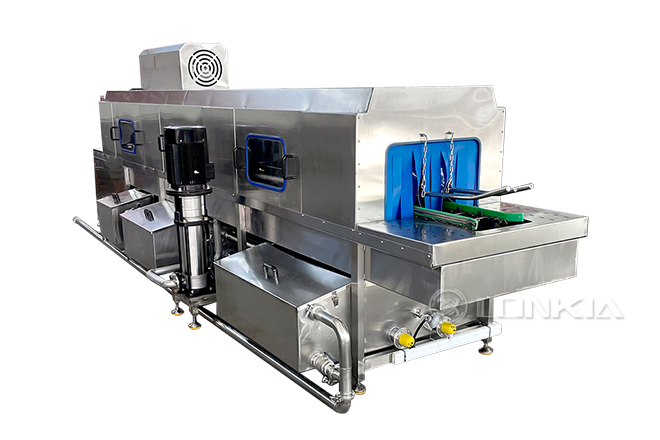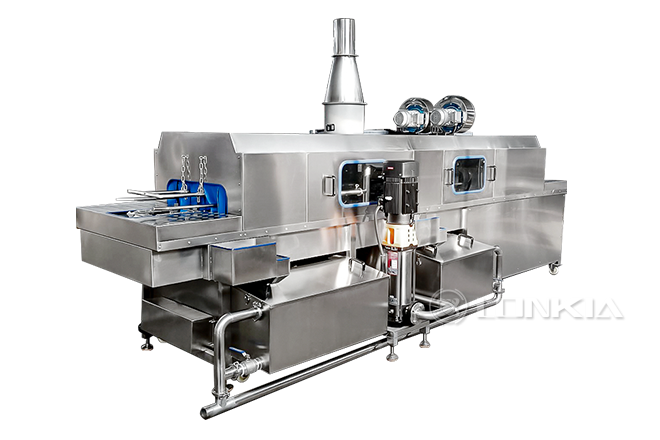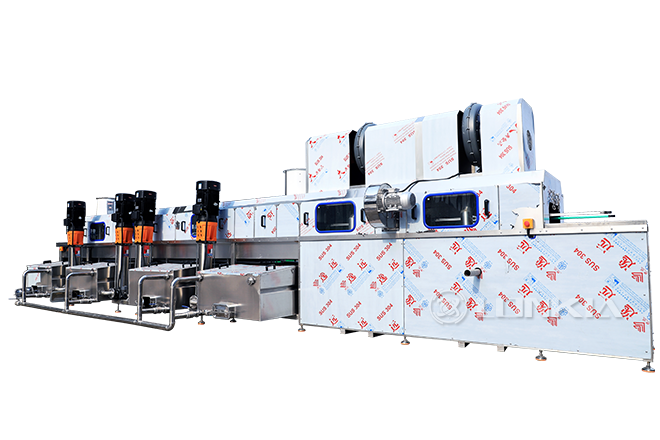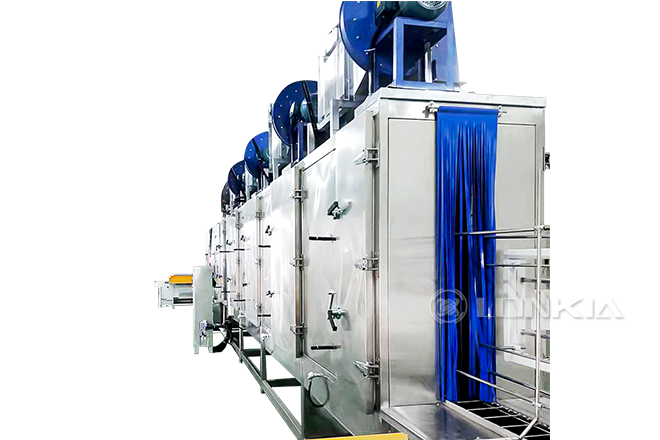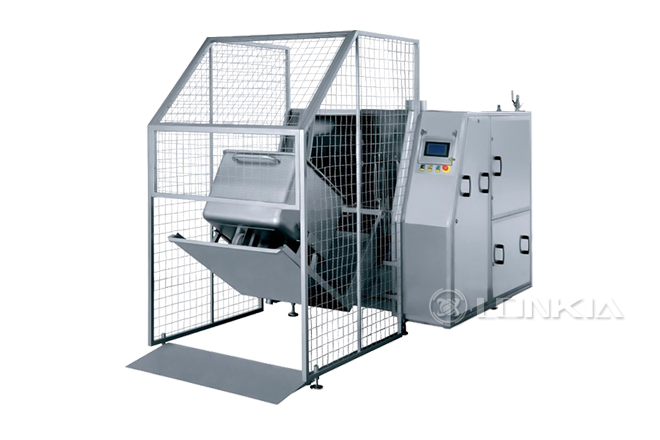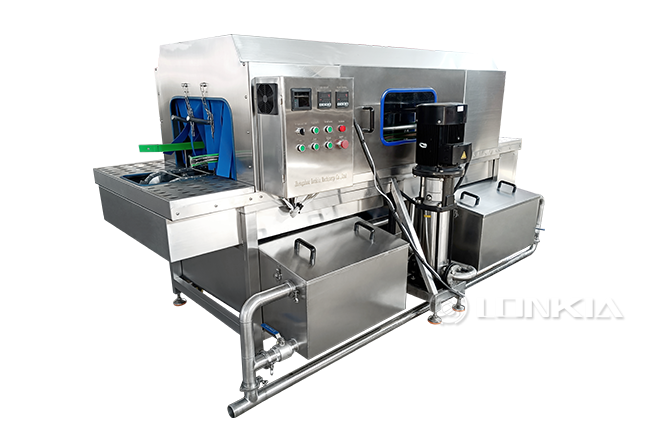
In industries such as food processing, logistics distribution, and agricultural product handling, efficient and stable industrial crate washers are essential equipment for enhancing production efficiency and hygiene standards. To ensure the equipment achieves the expected cleaning results and operates reliably, proper installation and commissioning procedures are critical. This guide provides a comprehensive checklist for installing and commissioning industrial crate washers, helping businesses smoothly complete the equipment commissioning process.
Pre-Installation Preparation: Site and Foundation Verification
Before formal installation, ensure the following conditions are met:
- Installation Site Space: Sufficient operational clearance must surround the crate washing machine to facilitate installer access and future maintenance inspections. Ensure seamless integration with the washing line at entry/exit points.
- Floor Load Capacity: The industrial crate washer features a robust structure and substantial weight. It must be placed on a solid, level surface to prevent vibration or operational inaccuracies caused by unstable flooring.
- Water, Power, and Drainage Systems: Verify that the installation area is equipped with power supply (including grounding protection), a fresh water supply, and drainage piping systems that meet the machine's technical requirements. Ensure seamless integration with the production line's supply systems.
These preliminary preparations ensure efficient equipment installation from the outset and lay a solid foundation for subsequent commissioning and operation.
Equipment Installation Checklist: Steps and Key Points
During formal installation, verify each item according to the following steps:
1. Equipment Positioning and Leveling
Place the industrial crate washer at the designated location. Verify orientation aligns with production line flow to prevent future conveying issues. Use a spirit level to adjust the machine's horizontal position, ensuring smooth operation of the washing conveyor chain.
2. Connect Water Supply and Drainage
Connect the fresh water inlet according to the equipment manual, ensuring all connections are secure and leak-free. Drain pipes must be smoothly connected to the drainage system with backflow prevention measures to prevent water from flowing back and affecting internal cleaning efficiency during operation.
3. Power Wiring and Grounding
Complete power cable connections based on the equipment's electrical distribution labels, strictly adhering to safety standards for voltage, current, and grounding. Ensure safe power supply to electrical components such as the main power source and control cabinet.
4. Drive and Conveyor System Inspection
Before startup, verify that conveyor chains, drive wheels, and other components are correctly installed with proper tension, free of jamming or looseness. This ensures a consistent container transport rhythm during the cleaning process.
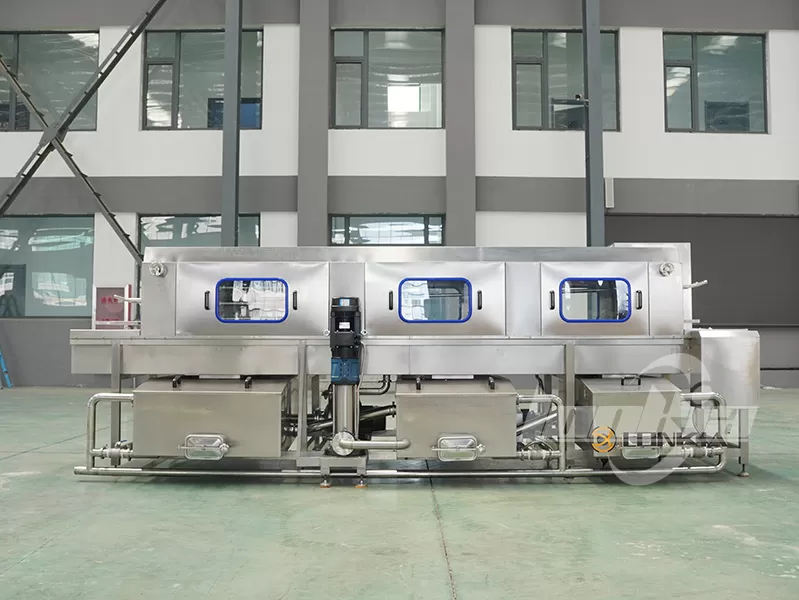
Commissioning and Trial Run: Key Verification Points
After mechanical installation is complete, proceed to the commissioning phase. The core objective is to ensure stable operation under actual working conditions and meet cleaning requirements.
1. Spray System Coverage and Water Pressure Testing
Activate the spray system to verify full coverage of the cleaning zone and stable water pressure. High-pressure multi-angle spraying is central to the crate washer's cleaning efficacy; ensure nozzles are unobstructed and spray direction is correct.
2. Heating and Temperature Control Validation
If the plastic crate washer includes a heating system, verify that heating elements function properly and water temperature meets set requirements. Appropriate water temperature further enhances stain dissolution and removal efficiency.
3. Conveyor Rhythm and Overall Operational Testing
During initial no-load operation, observe whether conveyor speed aligns with the designed cycle time. Ensure no abnormal vibrations or pauses occur when systems such as power supply, water supply, and spray operation work in coordination.
Post-Installation Documentation and Training
Following successful installation and commissioning, it is recommended that the enterprise and supplier jointly complete an installation and commissioning report documenting key parameters and test results. Concurrently, provide necessary training to operators to ensure proper execution of daily operations, safety protocols, and basic troubleshooting.
As a customer, this comprehensive industrial crate washer installation and commissioning checklist will clarify every installation step and verification point, thereby minimizing performance impacts from improper installation. Through a scientific installation process and standardized commissioning, the equipment can be rapidly deployed into production, reliably cleaning thousands of containers and boosting production efficiency.
For detailed installation manuals or commissioning technical support, consult professional crate washing machine manufacturers to obtain personalized guidance and service support.