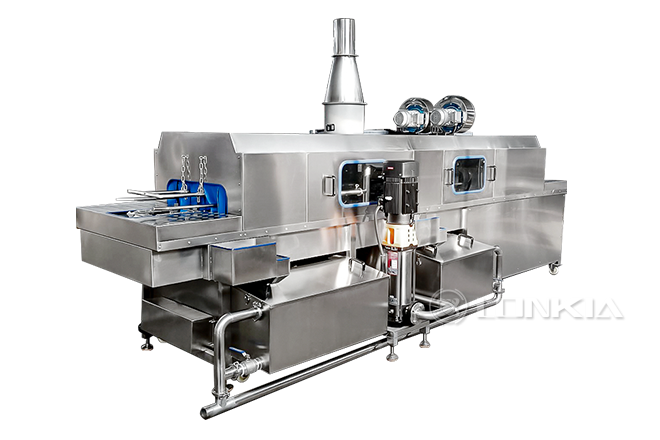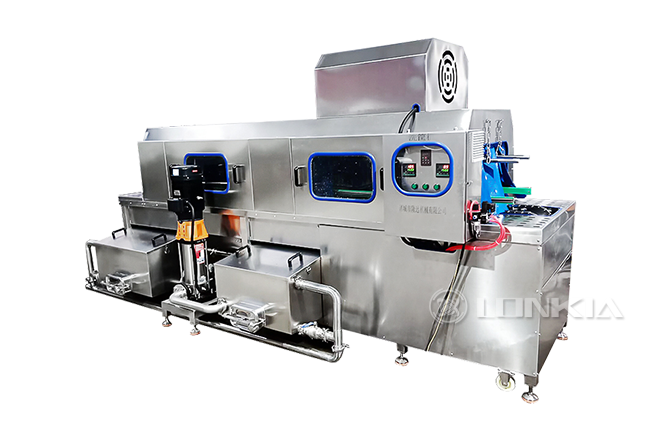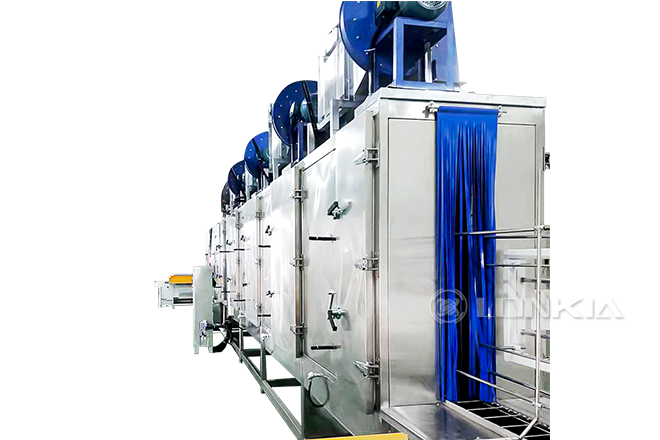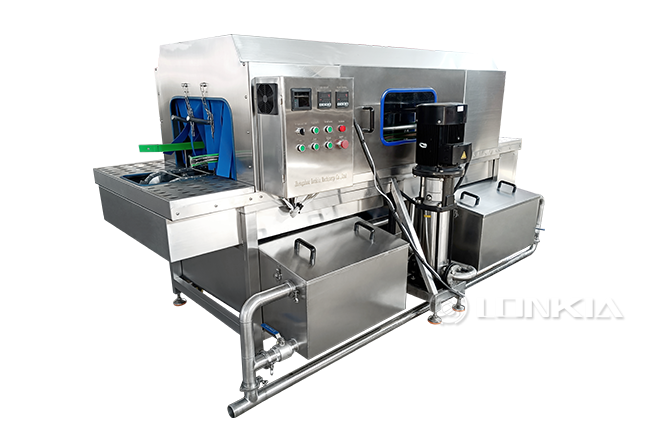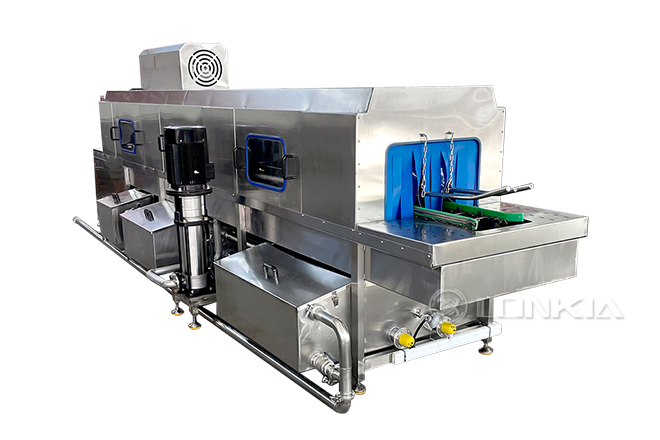
In the dairy production process, milk buckets are reused frequently, and milk fat, proteins, and microorganisms left inside the buckets adhere easily. If not cleaned thoroughly, this will directly affect product safety and quality. Therefore, selecting a suitable bucket washing machine has become a key concern for many customers.
Key Challenges in Cleaning Milk Buckets
Milk residues differ from ordinary stains and are characterized by:
- High fat and protein content, resulting in strong adhesion
- Prone to bacterial growth and the development of unpleasant odors
- Difficult to remove completely through conventional cold-water rinsing
Relying on manual cleaning is not only inefficient but also yields inconsistent results, making it difficult to meet the food industry's strict hygiene requirements.
How a Bucket Washing Machine Solves Milk Stain Issues?
Industrial bucket washing machines ensure consistent cleaning results for every bucket through standardized processes. The core steps include:
1. Pre-Rinse Stage
High-flow water rapidly removes most residues and softens adhered milk stains, preparing the bucket for subsequent cleaning.
2. Main Cleaning Stage
A high-pressure spray system combined with heated water (temperature adjustable) effectively breaks down milk fat and protein residues, achieving deep cleaning.
3. Rinsing and Disinfection
Rinsing with clean water or high-temperature water removes detergent residues while simultaneously sterilizing the drums, ensuring they are safe for reuse.
👉 This comprehensive process achieves a dual effect of "dirt removal + sterilization," far surpassing manual cleaning.
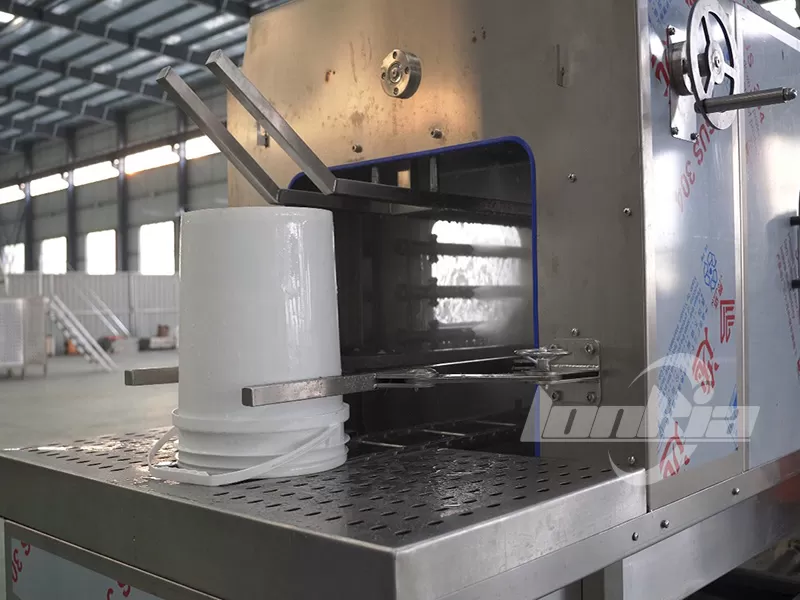
Key Equipment Design Determines Cleaning Effectiveness
1. High-Pressure Spray System
The 360° spray design leaves no blind spots, covering both the interior and exterior surfaces of the barrels to eliminate cleaning dead zones.
2. Temperature Control System
Milk residues are temperature-sensitive; the heating system significantly enhances cleaning efficiency.
3. Multi-Stage Cleaning Structure
Separate cleaning and rinsing zones prevent secondary contamination and improve hygiene standards.
4. Automatic Control System
PLC control enables precise adjustment of cleaning time, pressure, and temperature, ensuring stable performance.
Why Dairy Plants Must Use Automated Cleaning Equipment
- Improves cleaning consistency and eliminates human error
- Significantly reduces labor requirements
- Enhances overall production efficiency
- Reduces the risk of contamination
Automated equipment provides a "repeatable and controllable" cleaning process, making it essential for modern food processing facilities.
Advantages of Lonkia's Drum Washing Machine Solutions
To meet milk drum washing requirements, Lonkia offers customized bucket washer solutions:
- Compatible with various sizes
- Supports continuous conveyor washing
- Configurable heating and disinfection systems
- Flexible adjustment of washing parameters
The bucket washing machine operates reliably, ensuring cleaning quality while improving overall production efficiency, making it an essential tool for dairy companies to achieve standardized cleaning.
Summary
For the dairy industry, bucket washing is not merely a simple process; it directly impacts product safety and production efficiency. A high-performance bucket washing machine can fundamentally resolve the challenge of removing stubborn milk residue and help companies achieve stable, efficient, and controllable production processes.