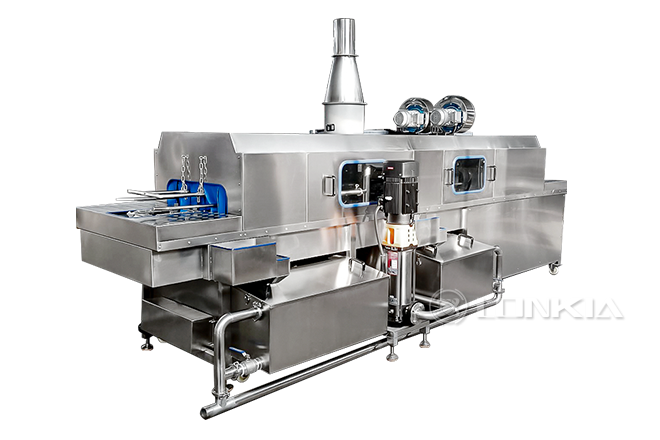
When considering the procurement of glass bottle washing machines, many customers are often less concerned with the single quoted figure than with the core factors underlying the equipment's cost structure. Understanding these elements assists customers in formulating more precise budget plans and selecting machinery truly suited to their operational requirements.
This article will conduct a multi-faceted analysis of the key factors influencing glass bottle washing machine pricing, aiding equipment purchasers in scientifically evaluating the cost-effectiveness of different solutions.
Fundamental Equipment Construction and Materials Form a Crucial Cost Benchmark
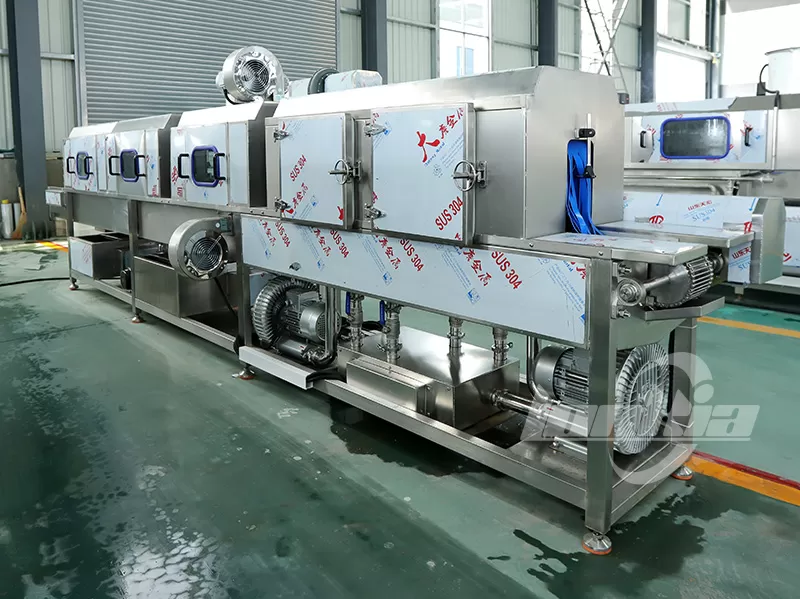
The fundamental cost of glass bottle washing machines largely stems from the frame and structural materials. High-quality stainless steel, robust welding techniques, and durable transmission components determine the machine's longevity and operational stability. Compared to standard steel, food-grade 304 or higher-grade stainless steel offers superior corrosion resistance, safety, and hygiene standards, commanding a higher cost. This is particularly critical for equipment like glass bottle washers that directly handle food-contact containers.
Automation Control Levels Directly Impact Price and Efficiency
The automated control system is one of the core components determining a glass bottle washing machine's performance. Basic manual or semi-automatic units are less expensive, whereas fully automated models equipped with PLC control systems, touchscreen interfaces, variable frequency drives, and automatic bottle type recognition command higher prices due to greater technical complexity and component costs. More advanced automation not only enhances cleaning efficiency but also reduces manual intervention and operational errors, thereby lowering overall operational costs over extended use.
Cleaning Precision and Process Design
Distinct glass and bottle washers exhibit significant differences in process design, including spray systems, internal nozzle configurations, rinsing pressures, and drying methods. These designs determine both cleaning efficacy and bottle compatibility. For instance:
- A high-pressure uniform spray system ensures thorough coverage without dead zones inside and outside bottles.
- Multi-stage cleaning-rinsing-drying processes elevate final hygiene standards.
- Adjustable architecture accommodates varying glass bottle specifications and shapes.
While these design enhancements increase manufacturing costs, they substantially improve cleaning efficacy and production consistency, fundamentally boosting overall line efficiency.
Capacity and Specifications Determine Investment Scale
Customers should evaluate procurement based on line throughput (bottles per hour) and bottle diversity. High-capacity glass bottle washing machines require more powerful motors, stronger transmission chains, and wider machine layouts, all of which substantially increase costs. Simultaneously, highly adjustable equipment capable of handling multiple bottle types commands a higher price than dedicated single-specification units. However, its versatility offers greater flexibility for potential future product line changes.
After-Sales Service and Customisation Requirements
Beyond the hardware configuration of the equipment itself, customers should also consider factors such as after-sales service, warranty periods, spare parts supply, and whether customised designs are required. A robust service network and timely support can provide greater stability for production operations. While glass bottle washing machines customised to specific requirements entail higher initial investment, they can significantly enhance operational efficiency for factories with specialised cleaning demands.
Taking Lonkia's glass bottle washing machines as an example, our company employs an in-house R&D and direct manufacturing model. This approach ensures quality while reducing intermediary costs, delivering cost-effective solutions to customers. Our machines demonstrate stable and efficient cleaning performance across multiple industrial applications.
Conclusion: A Holistic Assessment from Cost to Value
For enterprises with limited budgets yet demanding high cleaning efficacy and production efficiency, understanding these key factors influencing glass bottle washing machine costs is paramount. Simply comparing prices often overlooks the equipment's lifecycle value and actual operational benefits. From material quality, control systems, cleaning processes, and production capacity specifications to after-sales service, these are all vital dimensions influencing return on investment.
If you are making decisions regarding selecting the appropriate glass bottle washing machine, it is advisable to conduct a comprehensive assessment considering business scale, cleaning standards, and future expansion requirements. This ensures obtaining the most suitable equipment solution within a reasonable cost range.