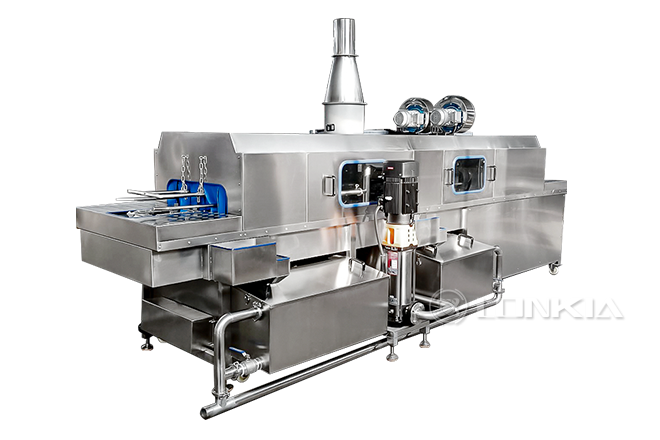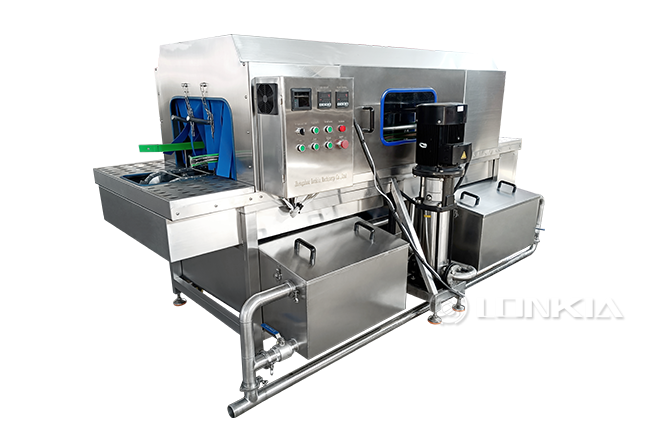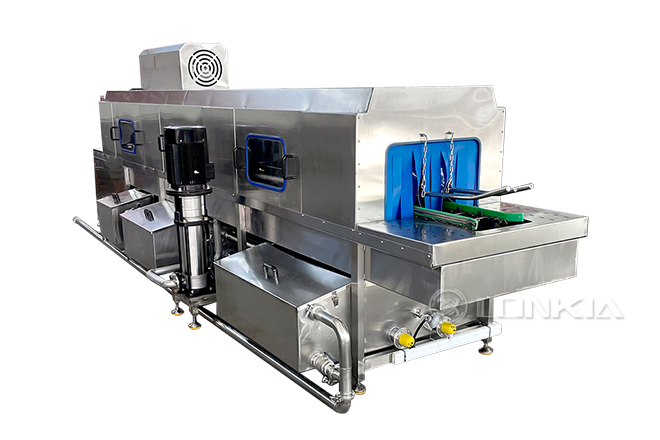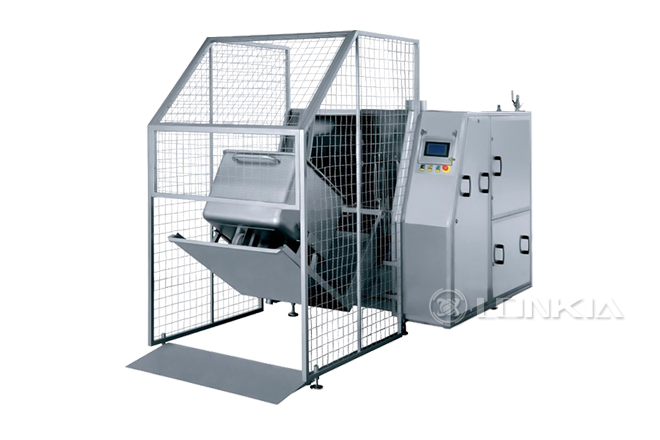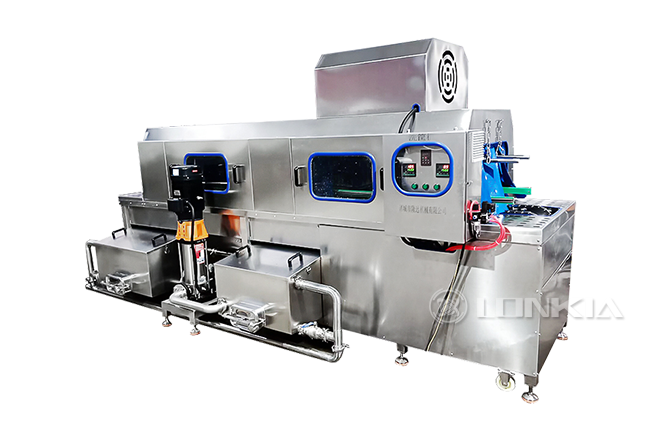
For egg processing plants, egg trays are prone to accumulating egg liquid, eggshell fragments, feathers, and other contaminants during repeated use. Inadequate cleaning not only affects the trays' subsequent use but may also increase the risk of cross-contamination. Therefore, when selecting an egg tray washer, customers' primary concern is whether it can consistently and reliably achieve the desired cleaning results.
In fact, the cleaning quality of an egg tray washer is influenced by a combination of factors. Understanding these factors helps customers select the most suitable configuration when purchasing equipment.
Spray Pressure and Coverage
High-pressure Spraying Determines Basic Cleaning Capability
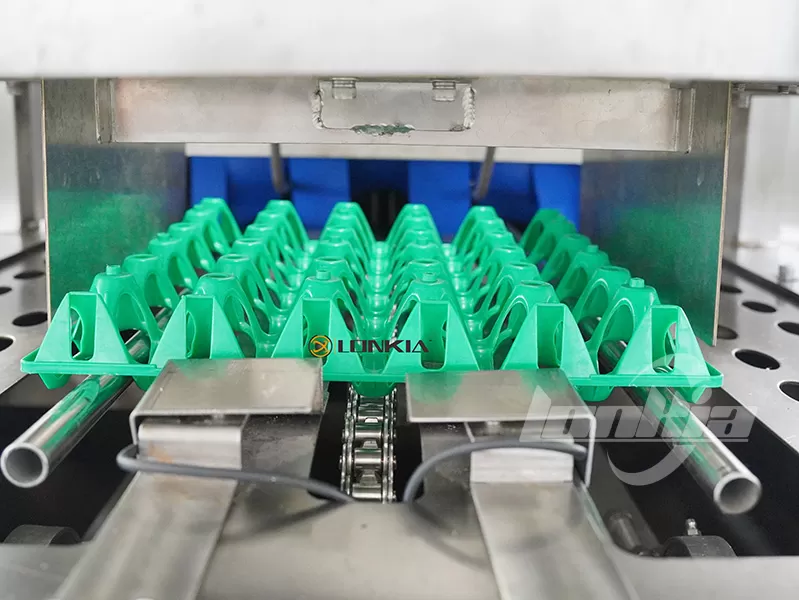
The surface of an egg tray is not completely flat; egg liquid and debris tend to accumulate in grooves, along edges, and between egg wells. If the spray pressure is insufficient, contaminants may not be dislodged from these areas.
Egg tray washers typically use multiple sets of nozzles to rinse the trays from different angles, ensuring that the water flow covers as much of the surface as possible. Especially for plastic egg trays with pronounced grooves, the number of nozzles, their mounting positions, and spray angles all affect the final cleaning results.
Spray Angles Must Match the Egg Tray Structure
Egg trays vary in size and structure. If the spray direction does not match the tray's structure, cleaning blind spots may form. Therefore, when determining equipment configuration, the dimensions, structure, and actual soiling conditions of the egg trays should be provided so that the conveyor and spray systems can be adjusted accordingly.
Cleaning Temperature Affects the Removal of Stubborn Stains
For egg residue that has been in place for an extended period, rinsing with room-temperature water alone may not achieve the desired results. Hot water helps soften and break down some stubborn stains, making subsequent high-pressure spraying more effective.
The LONKIA egg tray washing machine can operate in either hot water or steam heating modes depending on the equipment configuration and supports temperature adjustment, with a control accuracy of ±1°C.
Therefore, if a customer's egg trays frequently have difficult-to-remove stains, such as dried egg residue, cleaning temperature should be a key parameter to verify during the purchasing process.
Cleaning Time and Conveyor Speed
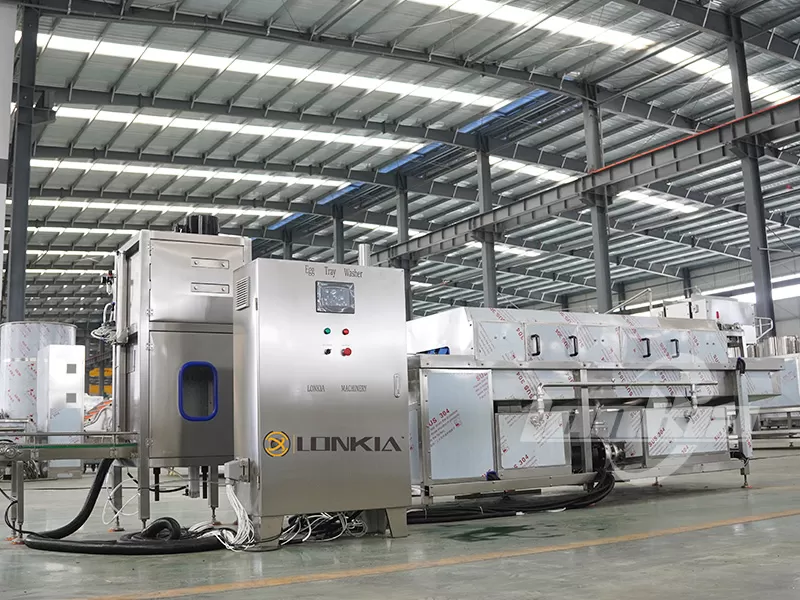
The length of time egg trays remain inside the machine directly affects cleaning effectiveness. If the conveyor speed is too fast, stains may not be fully removed before the trays enter the next process; if the speed is too slow, it may disrupt the overall processing rhythm.
The egg tray washing machine uses a conveyor system to sequentially feed egg trays through the pre-wash, main wash, and rinse zones. By appropriately adjusting the conveyor speed, the machine ensures egg trays receive sufficient cleaning time while maintaining continuous operation. The equipment's production capacity can be customized to meet customer needs, with standard specifications ranging from 200 to 3,000 trays per hour.
The Filtration System Affects Spray Stability
During the cleaning process, large amounts of eggshell fragments and other impurities enter the water. If these impurities are not filtered out promptly, they may reattach to the surface of the egg trays or even clog the nozzles.
Therefore, the filtration system is not merely an auxiliary component of the egg tray washer machine but a critical element that affects long-term cleaning stability. Regularly cleaning the filtration unit and checking the nozzles for clogs helps the equipment maintain consistent spray performance.
The Egg Trays Themselves Are Also a Key Factor
Plastic egg trays made of different materials, in different sizes, and with varying structures present different cleaning challenges. Egg trays with deep grooves typically require a more optimal spray angle, while those with significant residue on their surfaces may require more thorough pre-washing and main washing cycles.
Therefore, when purchasing an egg tray washer, it is not recommended to select equipment based solely on production capacity. Samples of the egg trays, their dimensions, types of stains, daily processing volume, and cleaning requirements should all be provided to the equipment manufacturer in advance.
How to Achieve More Consistent Cleaning Results?
Optimal cleaning results are not determined by a single parameter but are the combined effect of spray pressure, nozzle angle, cleaning temperature, conveyor speed, the filtration system, and the egg tray structure.
LONKIA can adjust the washing section, conveying method, and equipment configuration based on the customer's egg tray specifications, processing volume, and production site. For customers who need to consistently process large volumes of reusable egg trays, confirming the actual egg trays and washing requirements before finalizing the egg tray washer configuration is typically more important than simply comparing equipment prices.