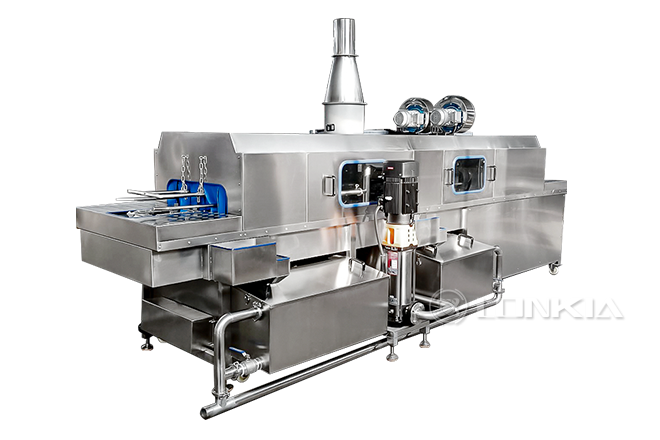
During the distribution of bread, pastries, and other food products, baking trays and plastic containers repeatedly pass through production, transportation, and packaging stages. The role of cleaning equipment is not merely to remove surface stains; more importantly, it ensures that trays and containers meet the requirements for reuse after undergoing a consistent and thorough cleaning process. Therefore, when selecting a bakery tray washing machine, procurement personnel should prioritize equipment design related to food safety and cleaning effectiveness.
Can the Cleaning System Handle Actual Contamination?
The types of contamination generated vary across different production stages. Flour, dough, fats, sugars, and food residues can all adhere to the surfaces, edges, and grooves of trays or plastic containers.
Focus on Spray Coverage and Cleaning Time
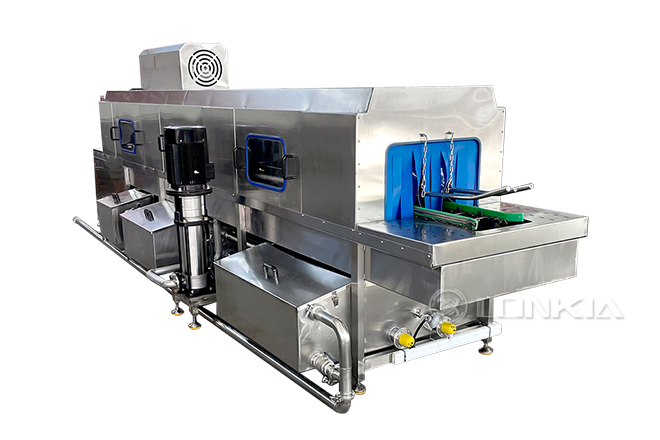
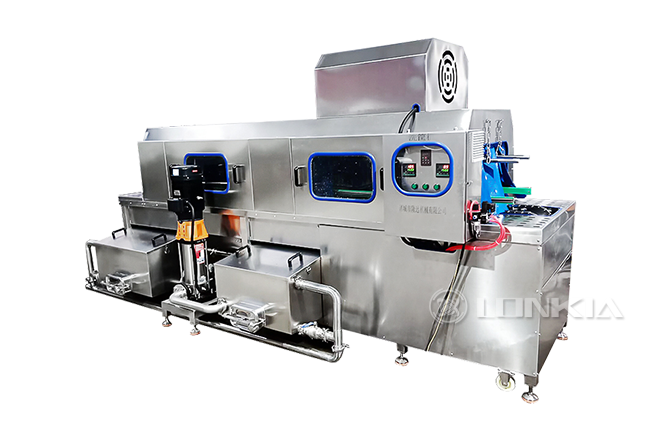
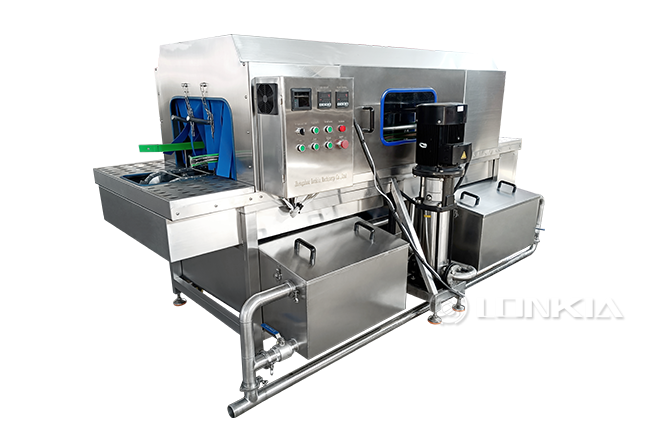
Bakery tray washing machines typically use a conveyor system to continuously feed trays into the washing zone, where multiple sets of nozzles rinse different areas. When purchasing, it is essential to understand the spray coverage, cleaning pressure, cleaning temperature, and the dwell time of the trays within the equipment to ensure the machine can effectively handle actual contamination conditions.
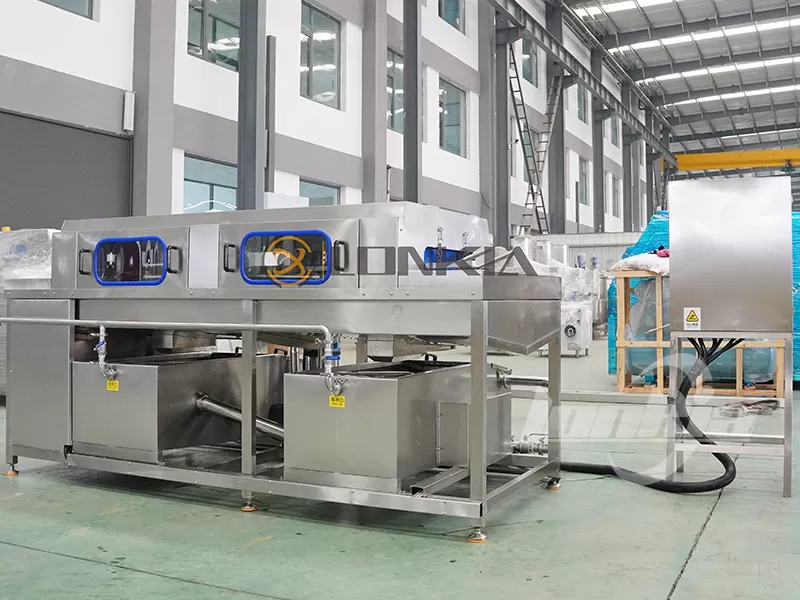
The Filtration System Is Equally Important
Food debris dislodged during the washing process can enter the water supply, so the equipment requires a proper filtration and drainage design. LONKIA's bakery cleaning solutions can be configured with industrial washing systems to handle various product carriers, such as baking trays and plastic bread basket delivery trays.
Is the Rinsing Process Independent and Thorough?
After the main wash cycle is complete, cleaning solution and residues may still remain on the tray surfaces. Therefore, when purchasing equipment, it is important to verify whether it includes a dedicated rinsing zone and whether the rinsing method effectively covers the trays' primary contact surfaces.
A well-designed process typically includes pre-washing, main washing, rinsing, and drying, with each stage performing a specific function to ensure a more stable and continuous cleaning process.
Can the Required Drying Level Be Achieved After Cleaning?
In bread production, drying is often just as important as cleaning. Residual moisture can affect subsequent loading, packaging, and storage; therefore, it is necessary to select an appropriate drying system based on actual production requirements.
Air Circulation Drying Is an Essential Feature
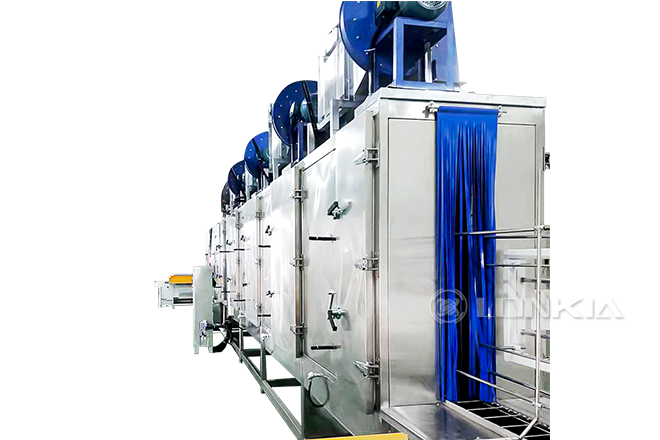
LONKIA Bakery Solution employs air circulation drying and forced-air drying methods, which can be used to dry product carriers such as trays, returnable containers, molds, and tray carts, and offers both standalone and in-line cleaning and drying solutions.
When purchasing bakery tray washing machine, it is recommended to confirm directly with the manufacturer: the actual dryness level of products after cleaning, the length of the drying zone, the airflow volume, and the impact of different container structures on drying effectiveness—rather than simply demanding "100% dryness."
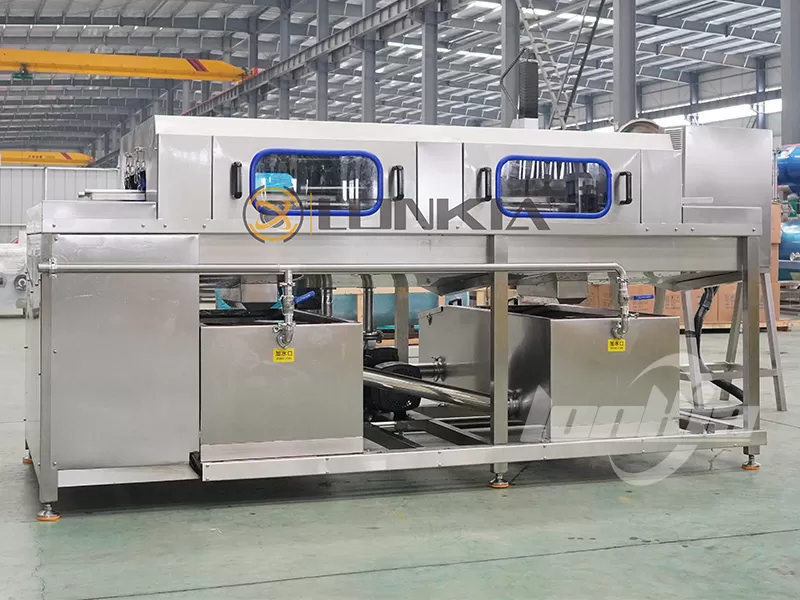
How to Reduce Secondary Contamination After Washing?
Food safety depends not only on the washing process but also on post-washing conveyance and temporary storage. After clean trays or returnable containers exit the equipment, contact with contaminated materials should be minimized as much as possible, and the washing, drying, and clean temporary storage areas should be properly planned.
Therefore, when selecting a suitable bakery tray washing machine, one should not only consider the machine's individual washing capacity but also take into account feeding, unloading, conveyance, and integration with existing production lines.
What Should You Confirm with the Manufacturer During Procurement?
It is recommended to prepare the dimensions, material, hourly throughput, primary types of contamination, cleaning requirements, and drying requirements for the trays or containers before requesting a quote. For products of different specifications, you should also confirm whether the baking tray cleaner's conveying system and guide structures are compatible.
LONKIA can design customized cleaning solutions based on the trays, plastic bins, and production processes actually used by baking companies. For food manufacturers requiring consistent cleaning and drying results, properly matching the washing, rinsing, filtration, and drying systems is often more important than simply comparing equipment prices.
Conclusion
When selecting a bakery tray washing machine, food safety must be incorporated into the specific equipment design and cleaning process. Cleaning effectiveness, rinsing capacity, filtration design, drying efficiency, and post-cleaning conveyance methods are all key factors that warrant careful consideration before making a purchase. Only when the equipment is properly matched to the actual trays, containers, and production processes can a stable and reliable cleaning solution be achieved.