In modern food processing facilities, plastic crates are in constant circulation every day. If not cleaned thoroughly, they can harbor grease, food particles, and bacteria, which can compromise hygiene during subsequent packaging, transportation, and production. As a result, an increasing number of food processing plants are adopting automatic crate washers to replace traditional manual washing methods.
When making a purchase, many customers first focus on the crate washer price. However, the crate washer price is actually just one factor to consider. For food processing plants, cleaning effectiveness, equipment reliability, operational efficiency, and long-term operating costs are far more important.
What is A Crate Washer?
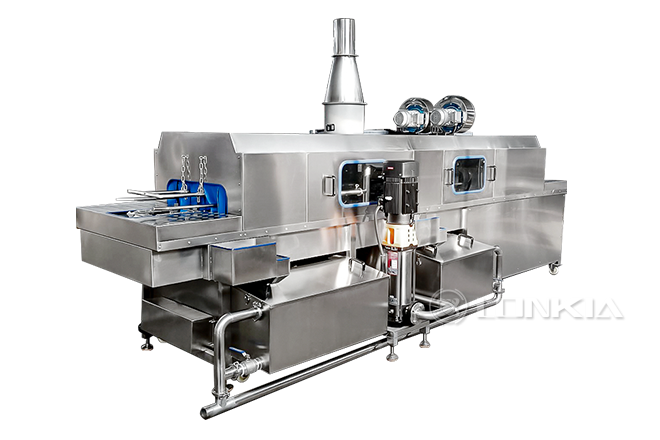
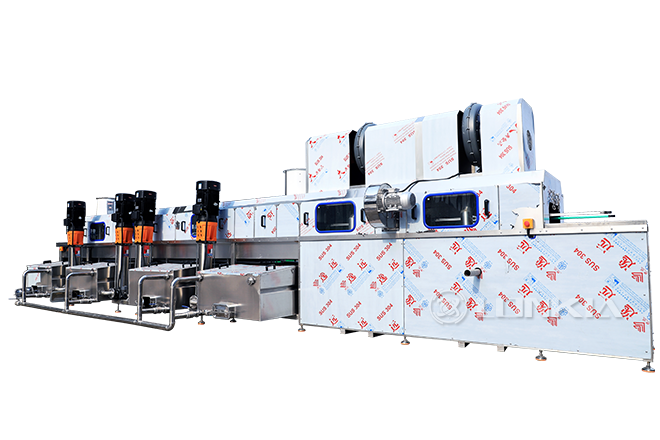
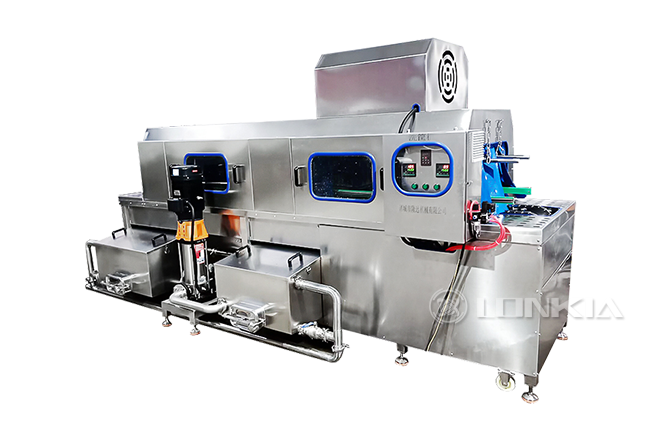
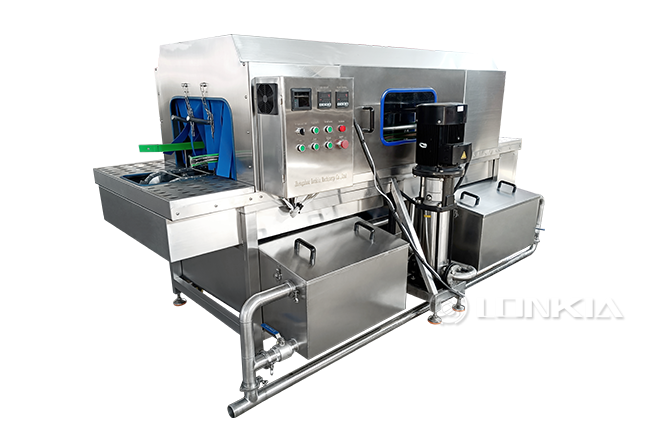
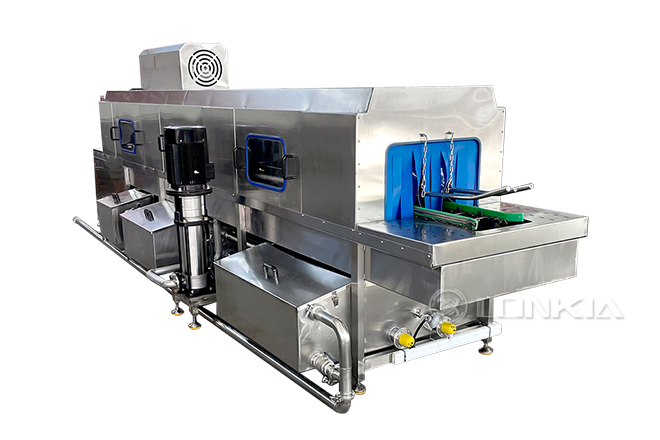
A crate washer is an automated cleaning machine designed to clean plastic crates, logistics crates, and food-grade crates. The equipment uses a conveyor chain for automatic feeding and employs a high-pressure spray system to continuously clean both the interior and exterior of the crates.
Common equipment typically includes:
- Automatic conveyor system
- High-pressure spray system
- Hot water washing zone
- Clean water rinsing zone
- Recirculation and filtration system
- Electronic control system
Compared to manual cleaning, automatic crate washers maintain more consistent cleaning quality while reducing the physical strain on workers.
What Factors Affect the Crate Washer Price?
When comparing quotes from different manufacturers, many customers notice significant price differences. In reality, variations in structure and configuration directly impact cleaning effectiveness and service life.
Cleaning System Configuration
High-quality crates washing machines typically feature a multi-angle high-pressure spray structure that covers all sides and the bottom of the crates. Some lower-end models have insufficient spray pressure, which can lead to cleaning blind spots.
For the meat, seafood, and vegetable processing industries, stable spray pressure is crucial.
Stainless Steel Material
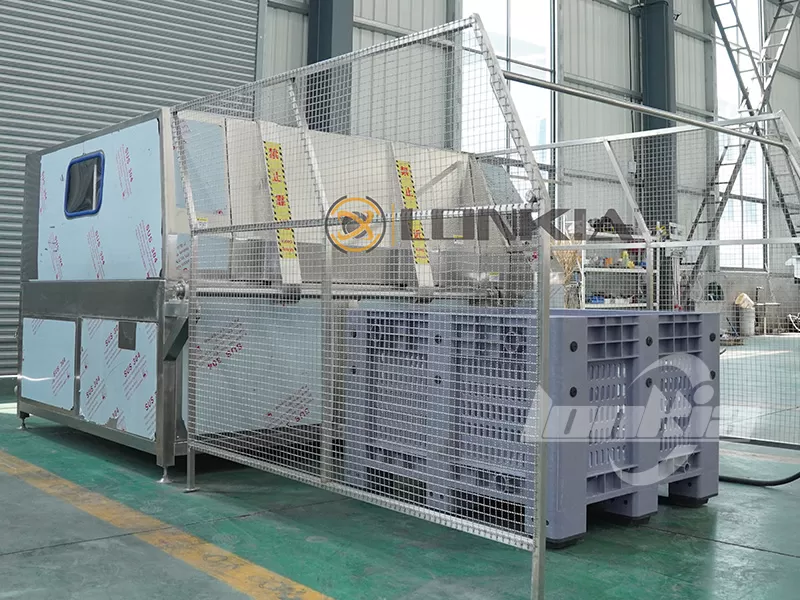
The food processing industry typically places a high priority on equipment hygiene standards. High-quality crate washers are mostly manufactured from SUS304 stainless steel, which offers excellent corrosion resistance and a long service life.
If exposed to high-temperature, humid environments for extended periods, equipment made of ordinary steel is prone to rust and deterioration.
Automated Control System
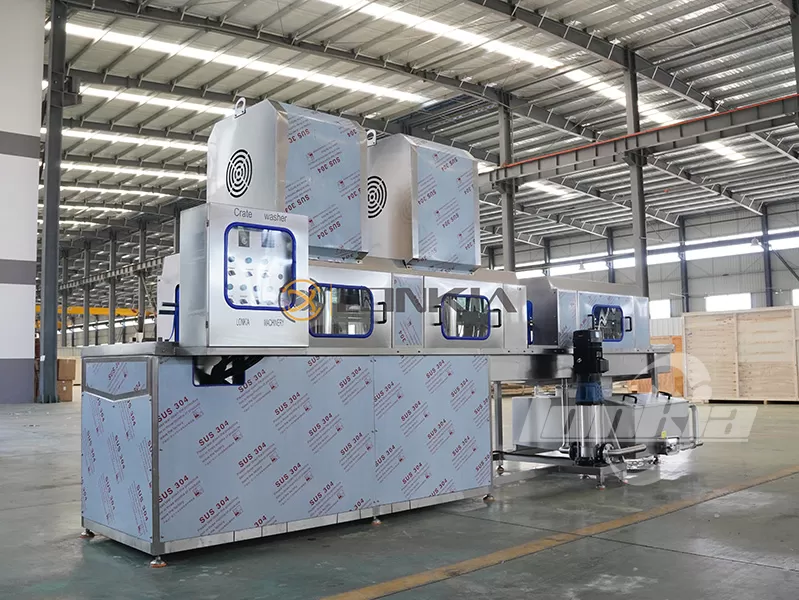
Modern crate washer machines are typically equipped with PLC control systems that allow adjustment of conveyor speed, water temperature, and cleaning duration. The higher the level of automation, the more stable the equipment operates, making it better suited for continuous production.
For food processing plants, stable operation is often more important than a low price alone.
Key Concerns for Customers When Purchasing Crate Washers
When inquiring about crate cleaning equipment, many customers focus not only on the price of the crate washer but also on the following aspects:
Thoroughness of Cleaning
Different types of crates accumulate different types of stains. For example, meat processing often leaves behind grease and blood residue, while the vegetable industry tends to have more mud and sand buildup. Therefore, customers typically pay close attention to spray pressure, water temperature, and nozzle layout.
Ease of Maintenance
For equipment in long-term operation, complex maintenance can impact production efficiency. Many factories prioritize the following:
- Are the nozzles easy to remove?
- Are the filters easy to clean?
- Is the water pump reliable?
- Does the conveyor chain tend to jam with crates?
A well-designed structure can reduce the burden of future maintenance.
Is it Compatible with the Existing Plant?
Different factories use crates of varying sizes, so customers typically need to select a suitable solution based on crate dimensions, production cycle times, and workshop layout.
How to Choose the Right Crate Washer for Your Factory?
Before formally requesting the crate washer price, we recommend confirming the following information in advance:
- Crate dimensions
- Hourly washing capacity
- Type of stains
- Whether hot water washing is required
- Whether automatic conveyor integration is needed
This information helps manufacturers quickly match you with the appropriate equipment solution.
Lonkia has long specialized in the manufacture of food processing cleaning equipment. With extensive experience in crate washer structural design, high-pressure spray systems, and automated control, we provide customized solutions tailored to specific production needs, helping customers improve cleaning efficiency and equipment reliability.
Conclusion
For food processing companies, a stable and efficient crate washer not only improves crate cleaning efficiency but also helps establish more standardized cleaning procedures.
Rather than focusing solely on the crate washer price, greater emphasis should be placed on the equipment's structure, spray system, materials, and long-term operational stability. Only equipment that truly meets production line requirements can deliver greater value over the long term.