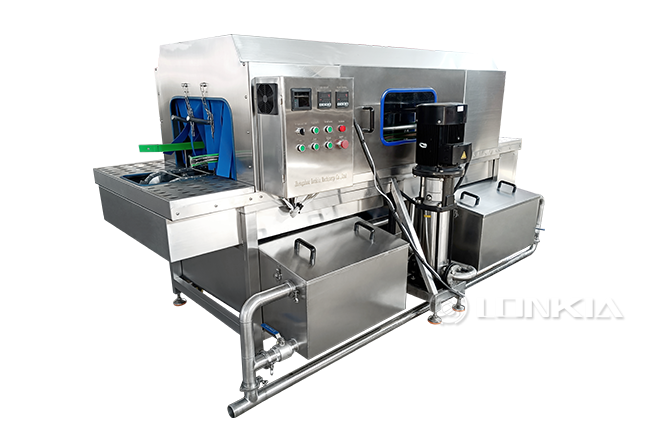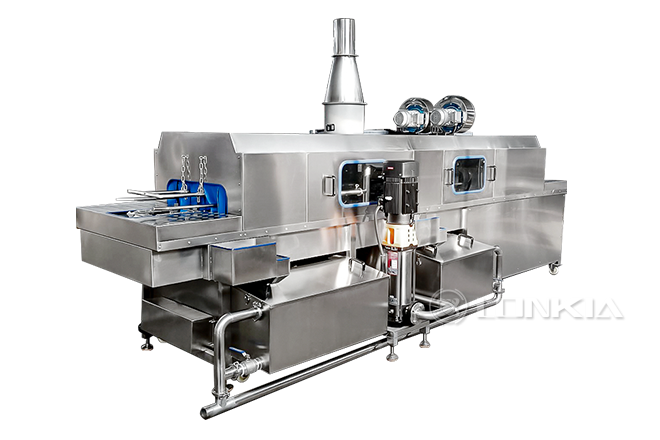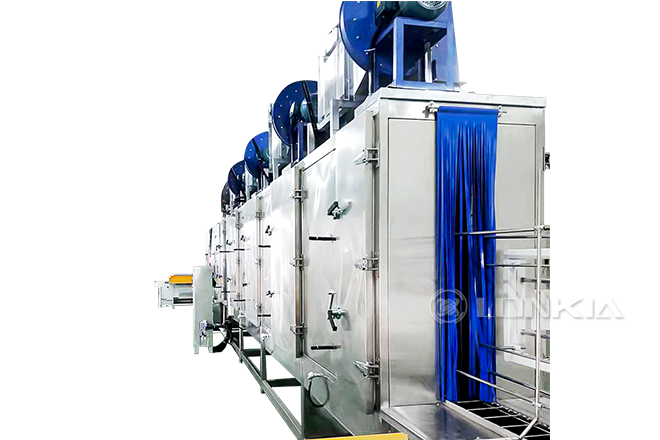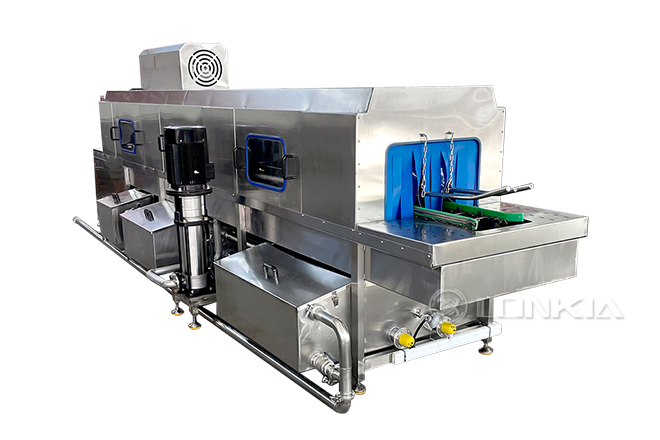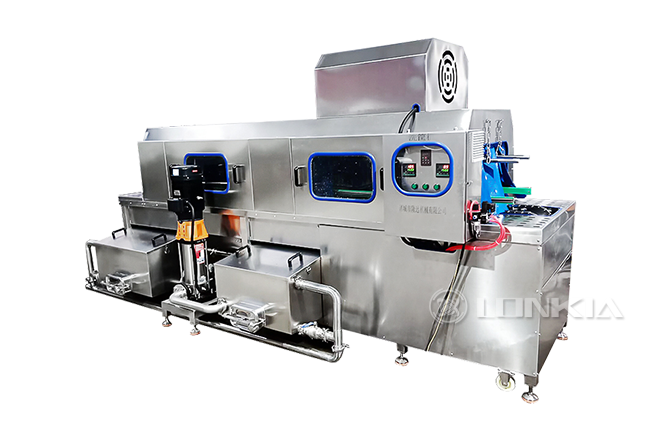
During egg processing, sorting, and packaging, reusable plastic egg trays are constantly exposed to egg liquid, eggshell fragments, feathers, and other contaminants. If the trays are not thoroughly cleaned, it will not only affect their subsequent use but may also increase the risk of cross-contamination. Therefore, the stable operation and cleaning effectiveness of egg tray washing machines are key concerns for egg processing companies.
However, during actual operation, egg tray washing machines may experience issues such as incomplete cleaning, clogged nozzles, conveyor malfunctions, or excessive moisture in the trays after discharge. Understanding these common problems and their corresponding troubleshooting methods can help operators restore equipment performance more quickly.
Potential Issues with Egg Tray Washing Machines
1. Egg Liquid Residue Remains on Egg Trays after Washing
This is a relatively common issue when using an egg tray washing machine. Egg liquid and debris tend to accumulate in the grooves and corners of egg trays; if spray coverage is insufficient or the washing time is too short, localized residue may occur.
First, check whether the nozzles are clogged and confirm that the spray direction covers the grooves and edges of the egg trays. LONKIA egg tray washer employs a multi-stage cleaning structure—including pre-wash, main wash, and rinse—to improve overall coverage through high-pressure spraying at various angles.
If the nozzles are functioning normally, check the conveyor speed. If the egg trays pass through the washing area too quickly, the actual cleaning time will be reduced. In this case, adjust the operating parameters based on the degree of contamination and the equipment configuration, rather than simply increasing the conveyor speed.
2. Decreased Water Pressure from Nozzles or Some Nozzles not Spraying Water
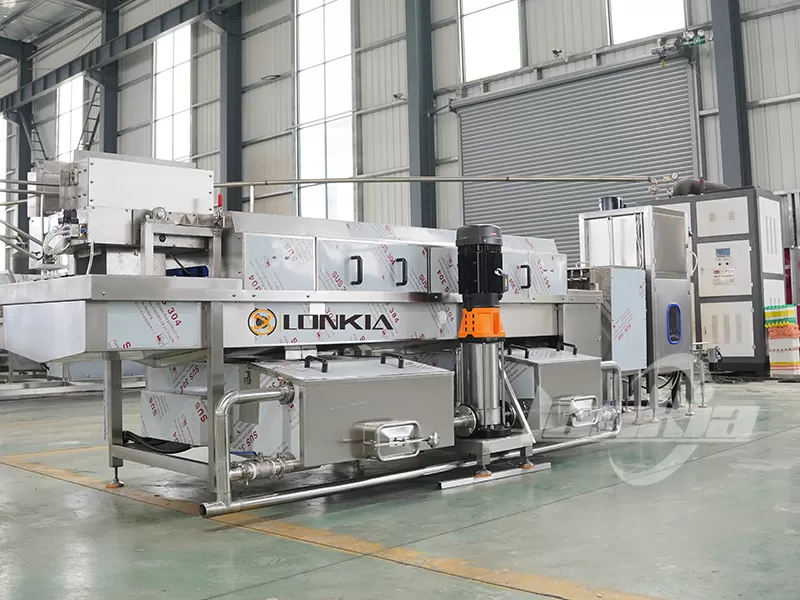
The spray system directly affects the cleaning performance of the egg tray washing machine. When the water flow from some nozzles is noticeably reduced, common causes include the accumulation of impurities in the filtration system, internal blockages in the nozzles, or abnormalities in the water lines.
It is recommended to first shut down the equipment and inspect the nozzles and filtration components to remove eggshell fragments and other impurities. At the same time, check whether the recirculating water system is functioning properly. Equipping the machine with a filtration system can reduce the likelihood of impurities re-entering the spray system.
During routine maintenance, attention should not be limited to the egg tray washing machine's exterior; nozzles, filtration systems, and conveyor components should also be inspected regularly.
3. Unstable Egg Tray Conveyance
If egg trays experience jamming, misalignment, or inconsistent conveyance speeds upon entering the washing area, focus on inspecting the conveyor chain, guide components, and whether the egg tray dimensions match the equipment's specifications.
Different egg tray specifications—including width, structure, and orientation—can all affect the conveying process. LONKIA's egg tray washer machine allows for adjustments to the conveying system based on egg tray specifications, production pace, and on-site layout, ensuring the equipment better aligns with actual production workflows.
4. Excessive Residual Moisture on Egg Tray Surfaces After Washing
If egg trays have completed the washing cycle but still have significant moisture on their surfaces upon discharge, check whether the equipment is equipped with an air-drying section and verify the operational status of the blower.
Egg tray washing machines can incorporate an air-drying zone after the rinse cycle to reduce surface moisture through airflow. For customers whose trays must immediately proceed to the next packaging or handling stage, the effectiveness of the air-drying function is particularly important to verify in advance when purchasing the equipment.
How Can Equipment Failures Be Minimized While Maintaining Consistent Cleaning Performance?
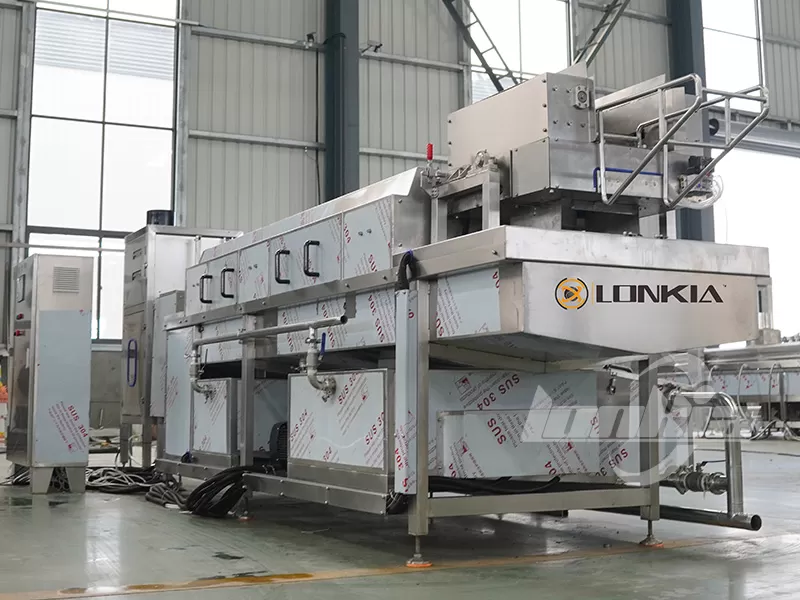
For egg tray washing machines, regular maintenance is more important than addressing issues after they arise. Operators are advised to establish a daily inspection routine, focusing on components such as nozzles, filtration systems, conveyor chains, and screens, and to promptly remove any accumulated debris from inside the equipment.
At the same time, equipment parameters should be set appropriately based on the actual egg tray specifications, degree of contamination, and production pace. LONKIA provides installation, commissioning, training, and maintenance support for egg tray washing equipment and can offer configurations tailored to customers' egg tray specifications and production requirements.
Conclusion
The effectiveness of egg tray cleaning depends not only on the equipment itself but is also closely related to the spray system, filtration system, conveyor speed, cleaning process, and daily maintenance. When issues such as incomplete cleaning, clogged nozzles, conveyor malfunctions, or excessive moisture in the output occur, each corresponding equipment component should be inspected systematically.
Selecting an egg tray washing machine with a well-designed structure, easy maintenance, and compatibility with actual egg tray specifications ensures a more stable cleaning process and facilitates subsequent production management.