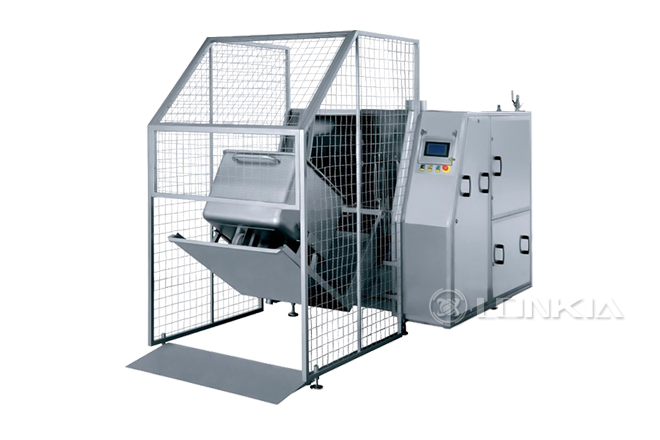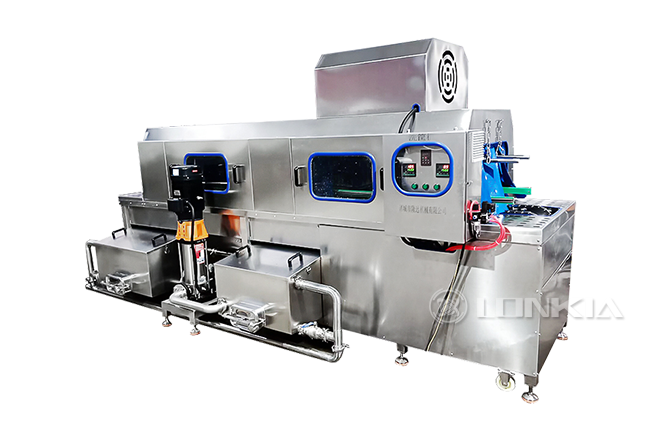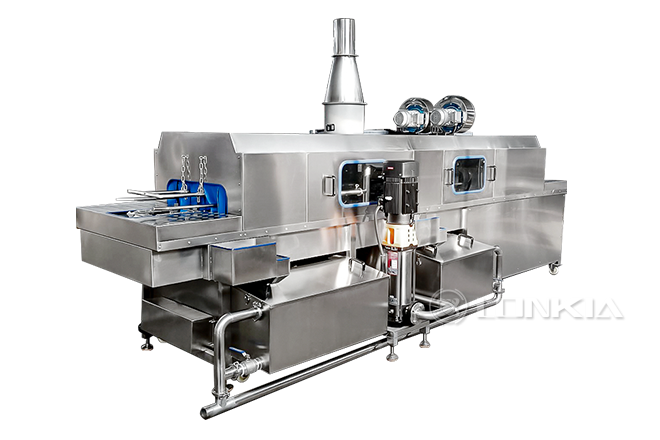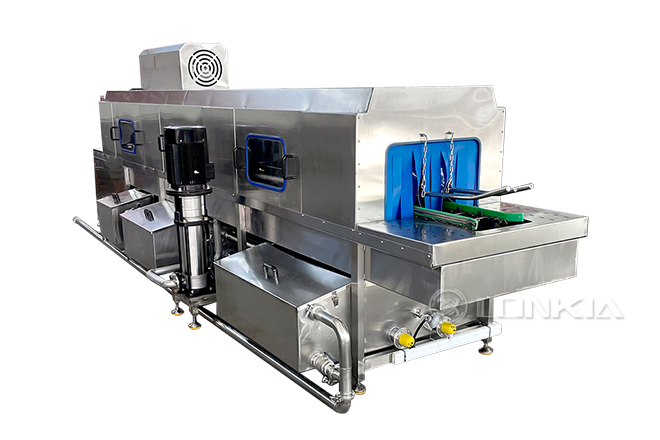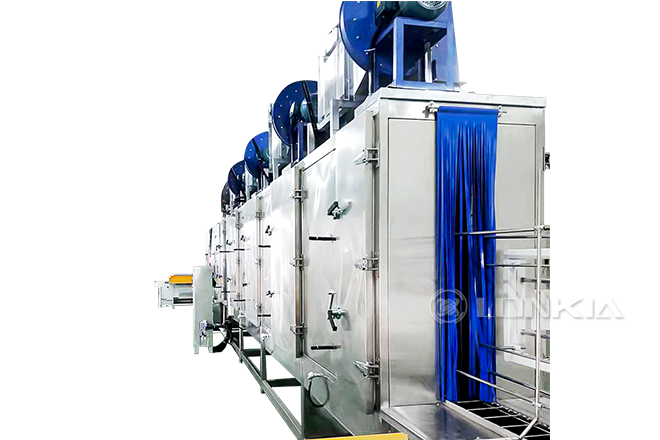
In food, logistics, dairy, and pharmaceutical industries, cleanliness isn’t just a preference—it’s a regulatory and operational necessity. One question many facilities face is: Should we continue manually cleaning crates or invest in an industrial crate washing machine?
Let’s dive into a detailed cost-benefit analysis to help you make an informed decision.
Labor Costs: Manual Cleaning Is More Expensive Than It Seems
Manual Cleaning:
Requires multiple workers per shift.
Slower turnaround—fewer crates cleaned per hour.
Higher overtime and staffing needs during peak production.
Industrial Crate Washer:
Automated systems reduce labor dependency by up to 70–80%.
Consistent throughput—up to hundreds or thousands of crates per hour.
Operators only needed for loading/unloading and supervision.
✅ Verdict: Industrial washers significantly reduce labor costs over time.
Water & Detergent Usage: Efficiency vs. Waste
Manual Cleaning:
Inconsistent water use—excessive waste likely.
Detergent concentrations often vary, leading to overuse or under-cleaning.
Industrial Crate Washing Machines:
Closed-loop systems with recycled water filtration.
Programmable detergent dosing ensures optimal use with less waste.
Built-in heating and pressure control for maximum hygiene.
✅ Verdict: Machines optimize resources, cutting water and chemical costs.
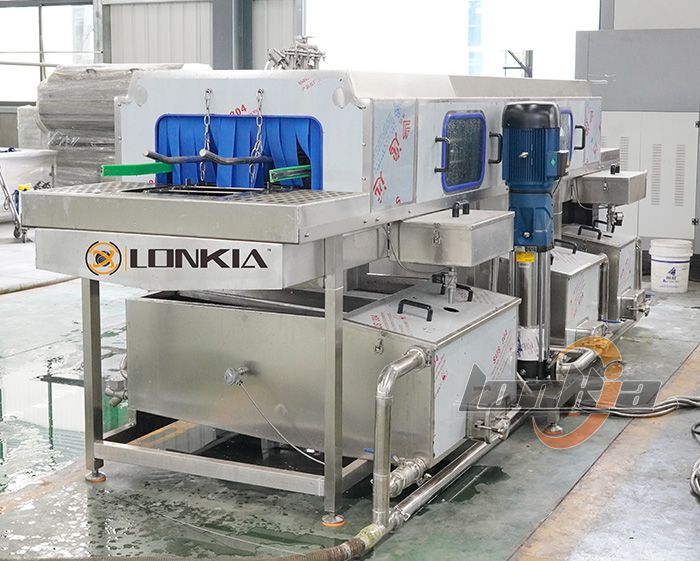
Cleaning Quality and Hygiene Standards
Manual Cleaning:
Highly variable—depends on worker diligence and technique.
Risk of residual dirt or microbial contamination.
Non-compliance with HACCP or GMP standards.
Industrial Crate Washers:
Consistent cleaning at high temperatures and pressures.
Optional sanitizing and drying zones.
Designed to meet food safety regulations.
✅ Verdict: Machines deliver superior and reliable hygiene performance.
Long-Term ROI
While the initial investment in an industrial crate washing machine can seem high, the return on investment (ROI) is clear:
Reduced labor = thousands saved annually.
Lower water and detergent bills.
Fewer rejected batches or contamination-related recalls.
Extended lifespan of crates due to gentle, controlled cleaning.
✅ Verdict: Most users recoup their investment within 1–3 years, depending on volume.
Space and Workflow Efficiency
Manual Cleaning:
Requires large areas for washing, drying, and storage.
Creates workflow bottlenecks and cross-contamination risks.
Industrial Washer:
Compact footprint with continuous in-line operation.
Seamlessly integrates with existing conveyor or automation systems.
✅ Verdict: Machines enhance plant layout and streamline production.
Conclusion: What’s the Smarter Choice?
When you weigh labor, water, time, hygiene, and compliance, industrial crate washing machines clearly outperform manual methods. While the upfront cost is higher, the long-term savings and operational improvements make them a smart, future-proof investment.
Looking for the Right Equipment?
At LONKIA Machinery, we offer a range of customizable industrial crate washers tailored to your industry's needs—from food processing to logistics. Contact us today for a free consultation and ROI estimate.