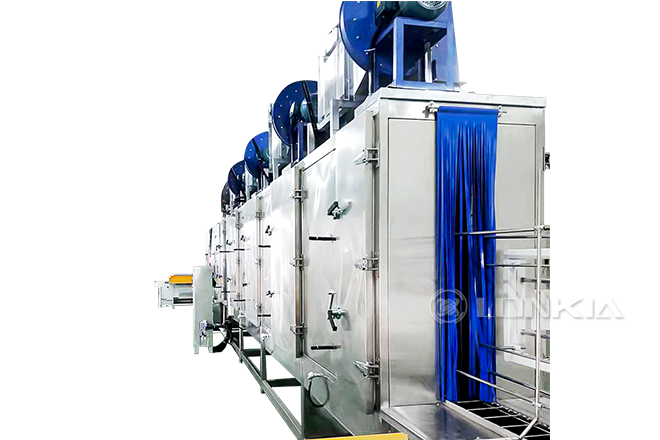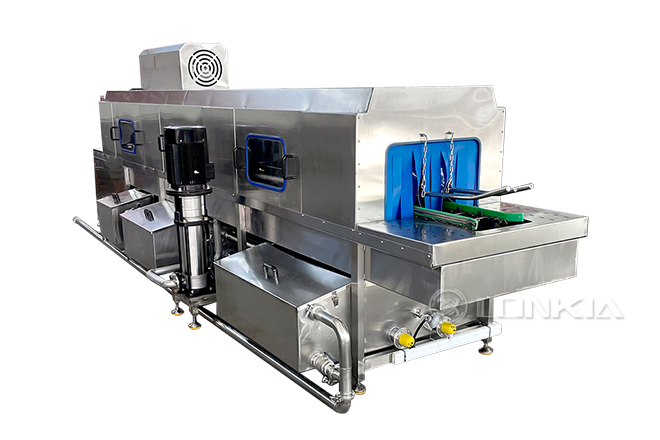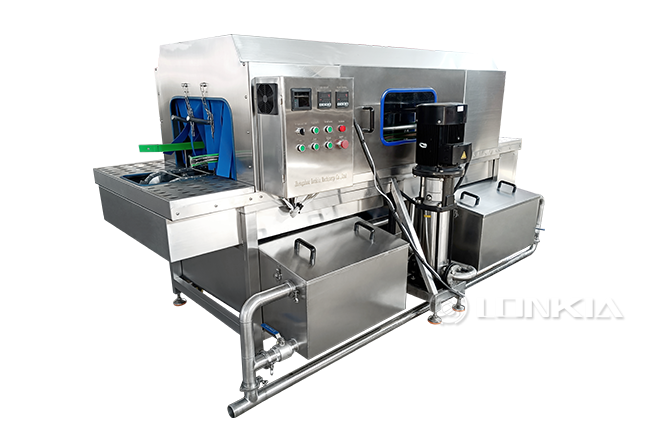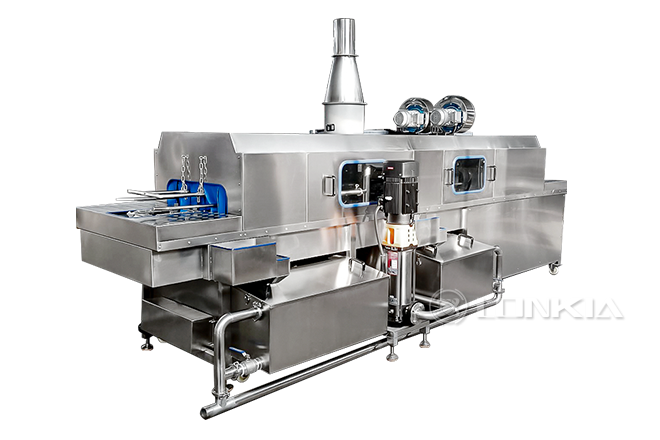
In food processing, logistics, and other hygiene-sensitive industries, crate cleaning is a critical step in ensuring safety and compliance. However, traditional cleaning methods often result in excessive water and chemical consumption, driving up costs and environmental impact.
Here’s how investing in a modern, efficient crate washing machine can significantly reduce both water and detergent usage—without compromising on cleanliness.
Closed-Loop Water Recycling System
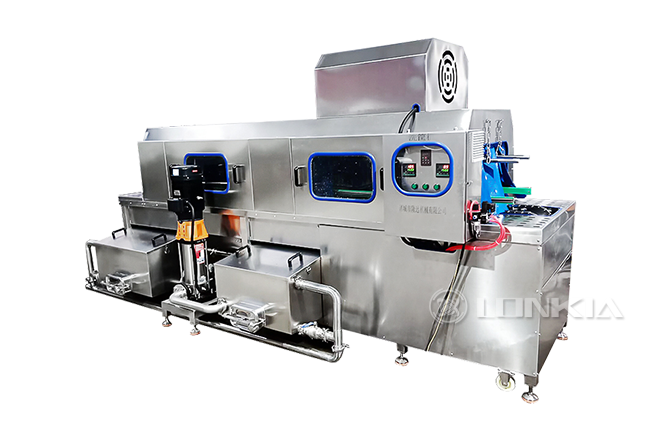
Advanced crate washers like those from LONKIA Machinery are designed with multi-stage filtration and water recycling systems. These units:
Capture and filter used water through sediment and oil separators.
Reuse rinse water for the pre-wash stage.
Minimize freshwater input by recycling up to 70–80% of total water used.
✅ Result: Major savings in water consumption and reduced wastewater discharge.
High-Pressure Nozzle Technology
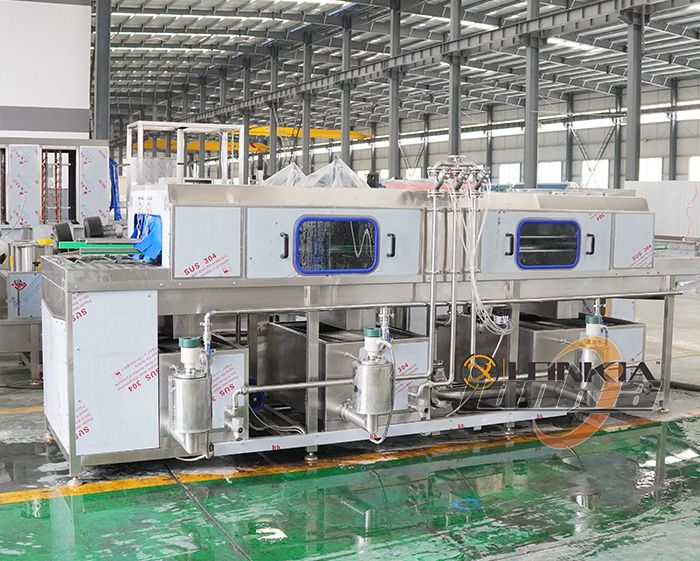
Modern crate washers employ precision high-pressure nozzles that:
Deliver targeted water jets to remove debris and biofilms.
Cover all angles of the crate, ensuring thorough cleaning with less water.
Maintain cleaning performance even at lower flow rates.
✅ Result: You clean more with less—maximum impact, minimal waste.
Smart Detergent Dosing Systems
Detergent overuse is common in manual or outdated washing systems. Efficient crate washers solve this with:
Programmable dosing systems that adjust based on crate load and dirt level.
Consistent concentration control for optimal cleaning performance.
Reduced chemical waste and lower detergent purchasing costs.
✅ Result: Accurate, eco-friendly chemical use with zero guesswork.
Heat Retention and Energy Efficiency
Water temperature plays a major role in cleaning. Efficient crate washers:
Incorporate thermal insulation to retain heat inside tanks.
Recycle hot water between stages to reduce the need for re-heating.
Work with precisely controlled heating elements to optimize energy usage.
✅ Result: Less energy to heat water and fewer chemicals needed to break down residue.
Pre-Wash and Rinse Stage Optimization
Many modern washers use:
A multi-zone washing chamber (pre-wash, main wash, rinse).
Reuse of rinse water in the pre-wash zone.
Final rinsing with fresh water only where necessary.
✅ Result: Each drop of water is used effectively before disposal.
Preventive Maintenance = Resource Efficiency
Well-maintained machines run more efficiently:
Clean nozzles = optimal water pressure.
Clean filters = better water recycling.
Timely detergent line checks = consistent chemical dosing.
✅ Tip: Implement a routine maintenance schedule to keep savings high.
Conclusion: Clean Smarter, Not Harder
An efficient crate washing machine doesn’t just deliver superior hygiene—it also reduces your operational footprint. With smart water management, accurate dosing, and optimized washing zones, facilities can save thousands of liters of water and kilograms of detergent annually.
Need a More Efficient Cleaning Solution?
LONKIA Machinery offers crate washers engineered for maximum efficiency, lower running costs, and environmental sustainability. Contact us today for a free consultation or custom equipment proposal tailored to your facility’s needs.