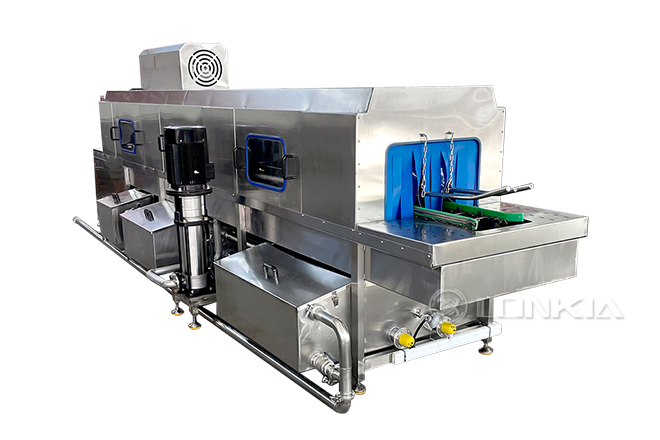
For industries such as food processing, central kitchens, and cold-chain logistics, pallet cleaning has become a critical part of daily production. A suitable pallet cleaning machine not only ensures consistent cleaning quality but also streamlines the entire production process. However, when selecting equipment, many procurement professionals tend to focus solely on price while overlooking whether the machine's capacity aligns with actual production needs. In fact, choosing the right pallet cleaning equipment capacity is a key factor in improving equipment utilization and reducing long-term operating costs.
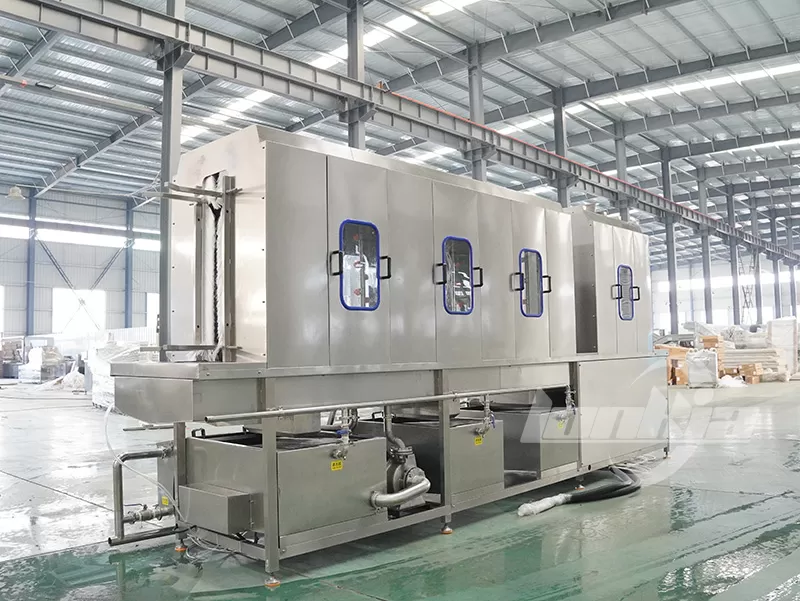
Determining Equipment Capacity Based on Actual Production Needs
Before deciding on a pallet cleaning machine model, it is advisable to first evaluate the following key factors:
- How many pallets need to be washed daily;
- How many pallets need to be washed per hour during peak periods;
- Whether the trays are uniform in size;
- Whether the equipment needs to integrate with an existing conveyor system;
- Whether additional processes, such as rinsing or air drying, are required.
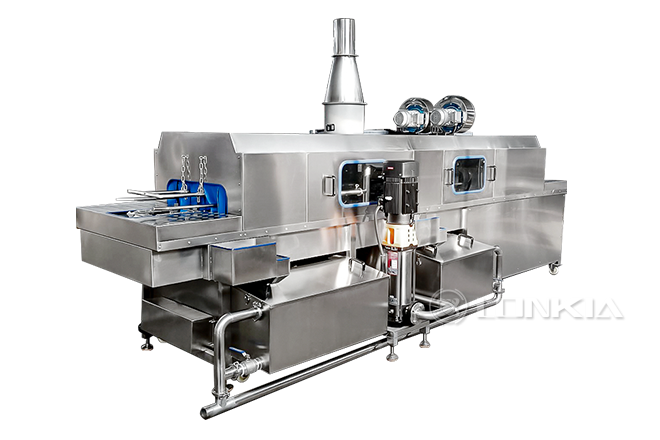
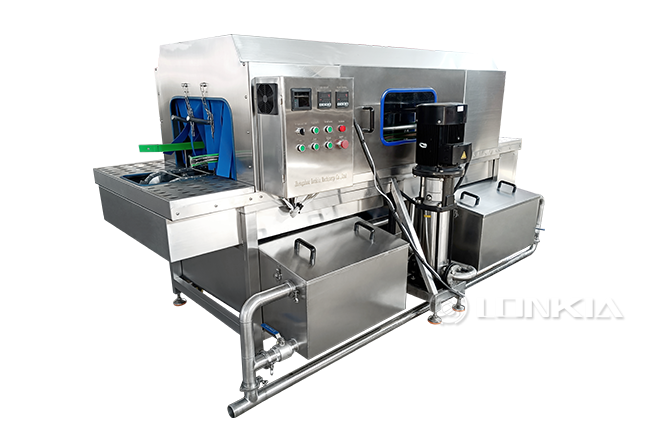
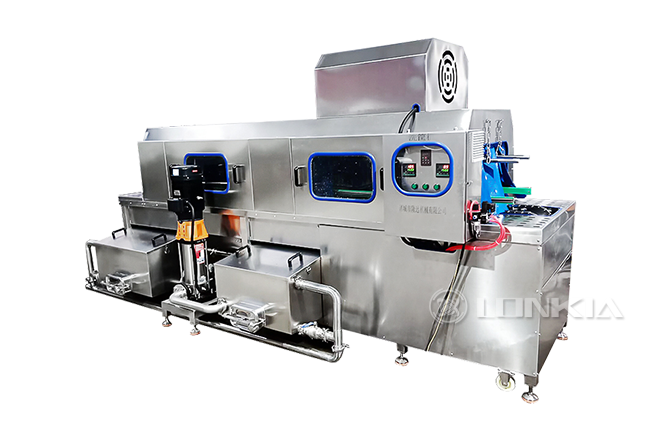
These factors directly impact the pallet washer's processing capacity and overall configuration. Continuous tray washers typically feature automatic conveyance, high-pressure spraying, and multi-stage washing. Different configurations correspond to different processing efficiencies, so a reasonable selection should be made based on actual operating conditions.
Key Factors Affecting Equipment Capacity Selection
- Daily Pallet Washing Volume: First, tally the number of pallets that need to be washed daily, and calculate the average hourly washing demand based on production shifts. If there are concentrated washing periods during production, processing capacity during peak times should also be considered to prevent the equipment from becoming a production bottleneck.
- Pallet Dimensions and Specifications: Pallet sizes vary across different companies; pallet length, width, and height all affect the equipment's conveyor system and spray coverage. When selecting equipment, ensure that the pallet cleaning machine is compatible with existing pallet specifications; custom designs can be considered if necessary.
- Degree of Pallet Contamination: Depending on the type of contaminants on the pallet surface—such as oil, food residue, or dust—the required cleaning time and spray intensity will vary. For heavily soiled pallets, choose equipment equipped with multi-stage spraying, high-pressure rinsing, and hot water cleaning systems to ensure effective cleaning.
- Need for Continuous Operation: For factories requiring continuous production, a continuous conveyor-based cleaning system enables the seamless completion of processes such as automatic feeding, spray cleaning, rinsing, and air drying, thereby improving equipment efficiency and reducing manual intervention.
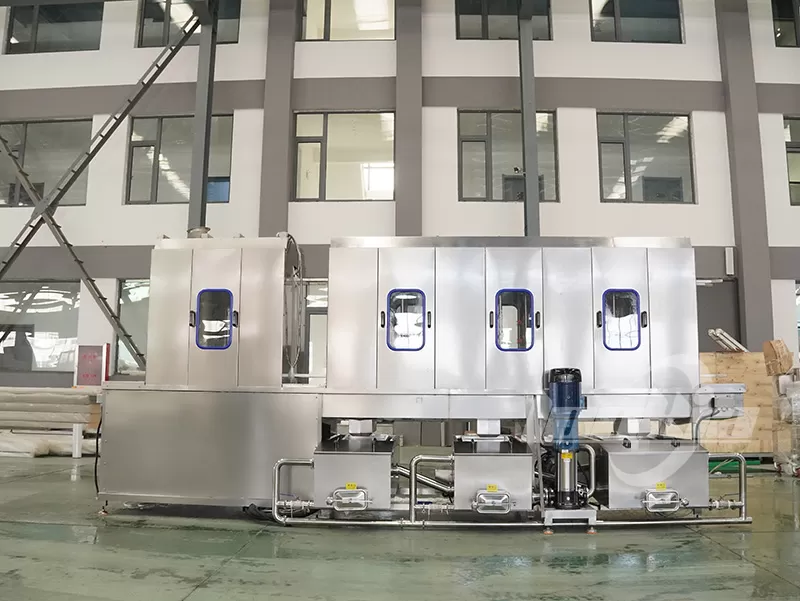
Allow for Future Production Expansion
Many companies consider only their current needs when purchasing a plastic pallet washer, but as orders increase, pallet throughput will also rise. If the equipment does not have sufficient processing capacity built in, it may need to be replaced later.
Therefore, by considering future growth needs in addition to meeting current production rhythms, companies can effectively reduce redundant investments while ensuring the equipment serves the production line for the long term.
Choose a Professional Manufacturer for a More Suitable Solution
Pallet sizes, contamination levels, and production processes vary across different companies, so no single piece of equipment can suit all operating conditions. Professional manufacturers typically provide customers with more tailored configuration solutions based on pallet specifications, cleaning requirements, on-site layout, and production cycle times.
Lonkia specializes in the R&D of industrial cleaning equipment and can provide pallet cleaning machines with various configurations based on customers' actual production needs, helping enterprises achieve stable and efficient pallet cleaning processes.
Conclusion
When selecting a pallet cleaning machine, the focus should not be solely on equipment specifications; it is even more important to ensure that the machine's capacity aligns with production needs. By comprehensively considering the number of pallets, production cycle time, equipment configuration, and future expansion requirements, you can achieve a more stable and efficient cleaning solution and provide reliable assurance for the continuous operation of your production line.