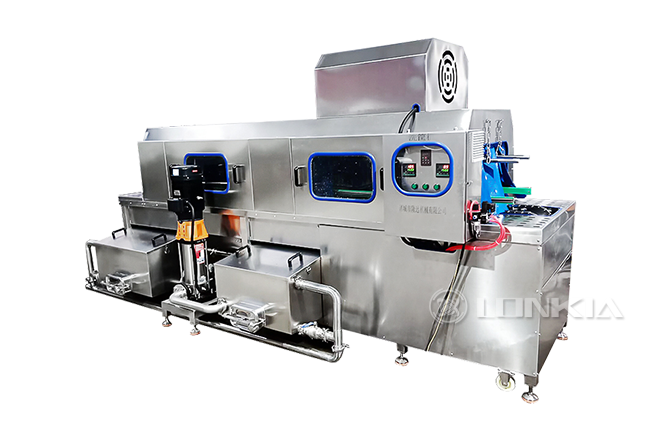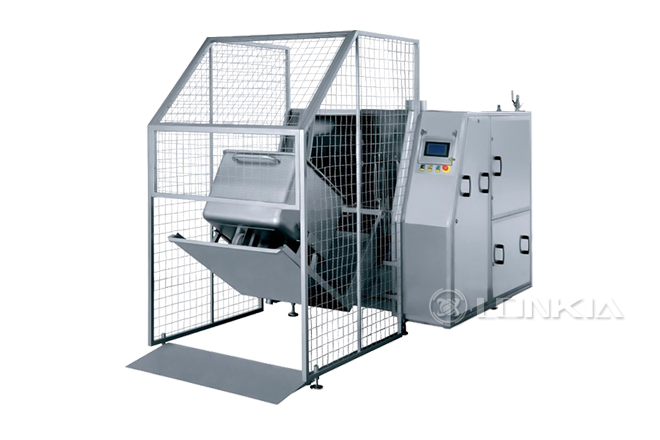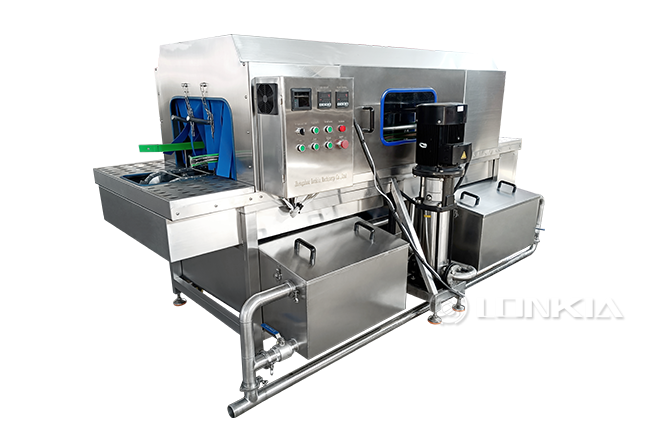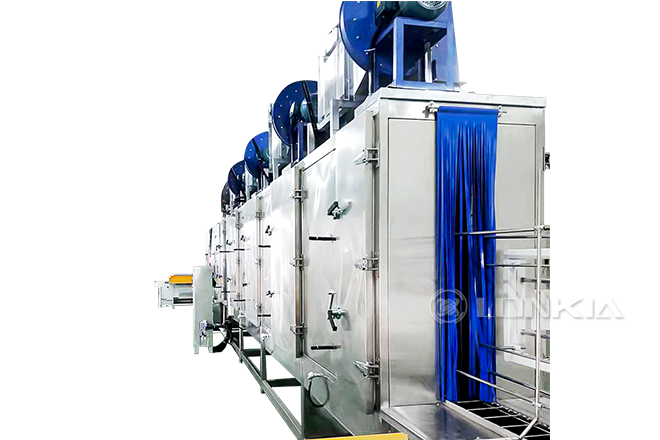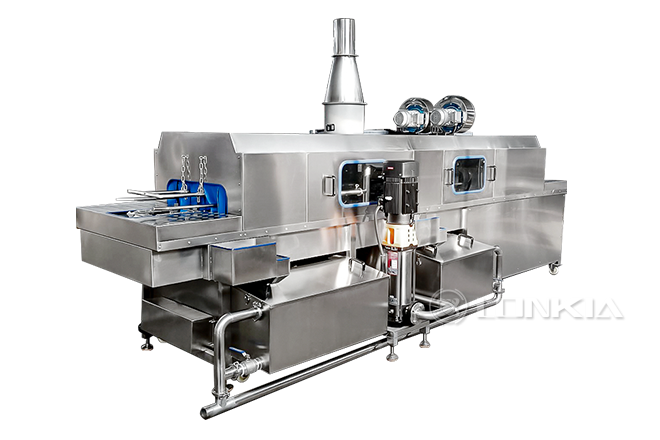
Bucket washing machines are indispensable cleaning equipment in many industrial production settings. They automatically, efficiently, and reliably clean various bucket containers, significantly boosting efficiency while reducing hygiene risks and labor costs compared to manual cleaning. Selecting the right bucket washing machine isn't just about choosing equipment—it lays the foundation for your factory's production efficiency and quality standards. This article addresses key customer concerns to help you make a more informed purchasing decision.
Define Your Cleaning Requirements
Before selecting a bucket washing machine, first identify the material, dimensions, and contamination type of the buckets to be cleaned. Different materials (e.g., plastic, stainless steel) have varying tolerances for water pressure and spray patterns; different contaminants (oil residue, food particles, chemical residues) require distinct spray intensities and cycle modes. Clarifying these fundamental parameters is essential for model selection.
Additionally, evaluate your daily or hourly cleaning volume. For high-frequency, large-volume production line cleaning, a high-efficiency continuous bucket washer machine is preferable. For occasional, low-volume cleaning, a basic model may suffice.
Focus on Core Components and Cleaning Performance
A high-quality bucket washing machine's cleaning effectiveness is directly determined by its core components and structural design:
1. Spray System and Cleaning Coverage
An effective spray system must achieve comprehensive cleaning inside and outside the buckets. The rationality of nozzle layout and the adjustability of spray angles directly impact dead zones and efficiency. Advanced equipment employs multi-angle, high-pressure spraying to ensure no residue is left inside the buckets.
2. Separation of Cleaning and Wastewater Zones
Superior bucket washer design isolates the cleaning zone from the wastewater area, preventing cross-contamination and ensuring each bucket achieves optimal cleanliness. This design principle is prevalent in industrial cleaning equipment, contributing to enhanced overall stability.
3. Materials and Welding Techniques
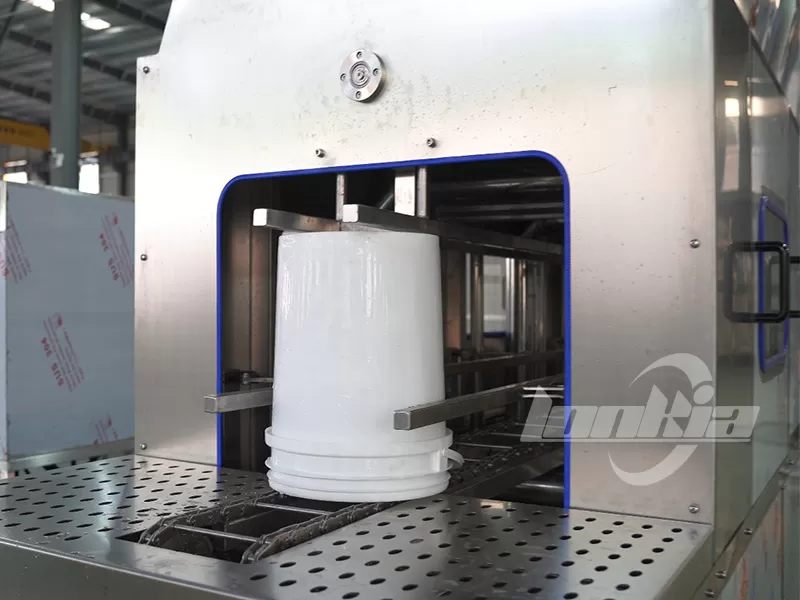
Common high-durability materials include food-grade 304 stainless steel, which offers corrosion resistance, ease of cleaning, and structural integrity. Welding quality is equally critical—substandard welds can become contamination sources or premature failure points.
Evaluating Equipment Automation and Operational Ease
For industrial applications, higher automation reduces labor requirements and operational risks. When selecting a bucket washer, prioritize these features:
- PLC Intelligent Control System: Configures washing programs based on bucket types, minimizing human adjustment errors.
- Touchscreen Control Panel: Simplifies operation steps and improves on-site adaptability.
- Self-Diagnostic Fault Detection and Safety Interlock Protection: Safeguards equipment and operators.
These modern control technologies not only enhance reliability but also reduce employee training costs.
Maintainability and After-Sales Support
Beyond cleaning performance, consider daily maintenance and long-term support when selecting a bucket washing machine. A quality bucket washing machine should feature a modular design for easy maintenance tasks like nozzle replacement and filter system cleaning. Timely after-sales service and spare parts support are crucial for ensuring stable, long-term factory operation.
Adapting to On-Site Conditions
Many factories operate in non-standardized environments with spatial constraints, varying water supply configurations, and other unique factors. Therefore:
- Conduct on-site measurements of the installation location before selection
- Evaluate the layout of water and electrical connections
- Determine whether cleaning cycles align with on-site operational rhythms
These details often dictate the actual effectiveness post-purchase.
Conclusion
Selecting the right bucket washing machine for your factory needsn't be complicated. By focusing on five key aspects—cleaning requirements, core structure, automation level, maintenance convenience, and on-site adaptability—you can significantly narrow down options and enhance your return on investment. As a professional industrial cleaning equipment supplier, Lonkia offers bucket washing machines with multiple solutions tailored for various container types. Leveraging mature spray systems and reliable structural designs, Lonkia delivers consistent cleaning efficiency for customers.
If you're uncertain about selecting the right bucket washer machine, start by organizing the key parameters mentioned above and consult a professional supplier for customized recommendations. This preparation will ensure a more precise and hassle-free equipment selection process.