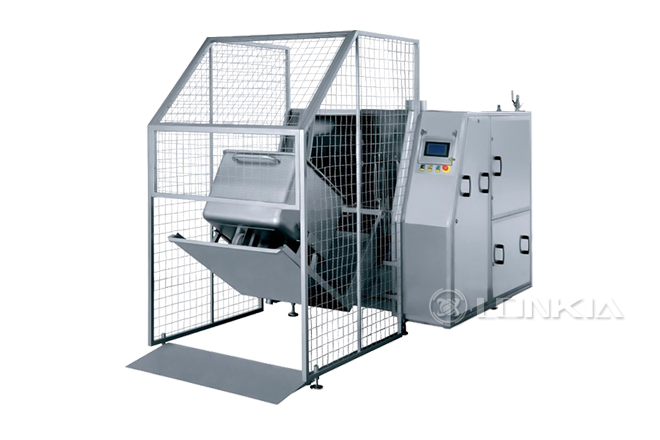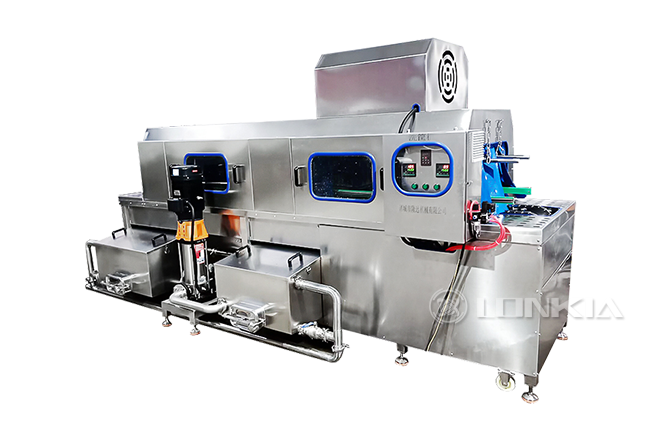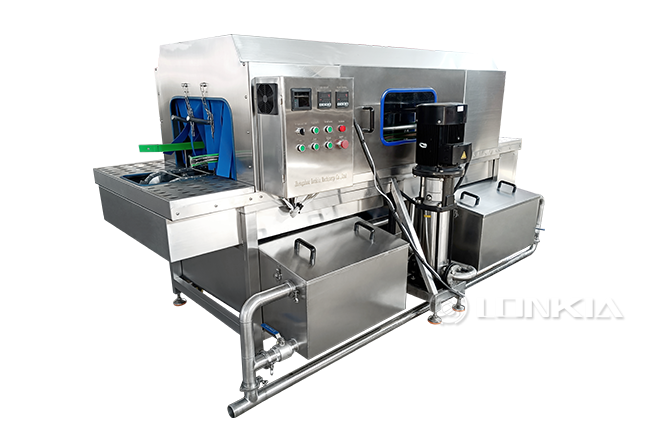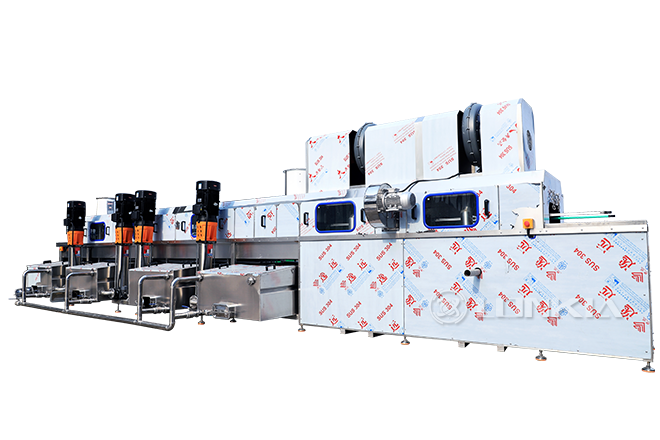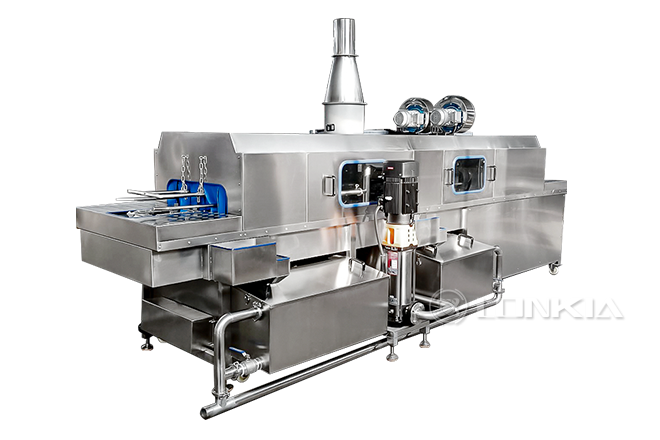
In poultry slaughtering and processing operations, chicken crate washers have become essential equipment for maintaining hygiene and enhancing efficiency. While price is often the primary concern for many customers during inquiries, the variation in pricing for chicken cage washers primarily stems from factors such as configuration, production capacity, and automation levels. Understanding these elements helps customers select models offering better value for money based on their specific needs.

Key Factors Affecting Chicken Crate Washer Price
- Number and Design of Washing Stages: Chicken crate washer solutions typically include pre-wash, main wash, and rinse stages. More stages ensure thorough cleaning but also increase costs.
- Conveyor and Spray Systems: Nozzle density, pump pressure, and conveyor speed all impact cleaning effectiveness and price. High-pressure spray systems cost slightly more but significantly boost cleaning efficiency.
- Materials and Craftsmanship: Higher proportions of food-grade 304 or 316 stainless steel enhance corrosion resistance and service life, though this increases overall pricing.
- Heating System Configuration: Some customers opt for hot water washing systems to improve cleaning efficacy. Incorporating electric heating or steam heating modules raises costs.
- Automated Control Systems: Models featuring PLC control, automatic water recirculation, temperature regulation, and intelligent detection functions command higher prices but substantially reduce labor and maintenance costs.
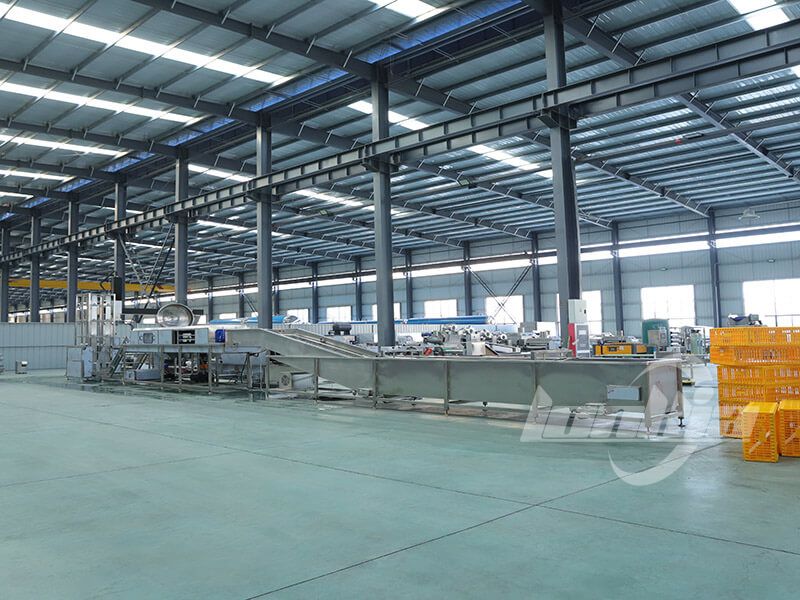
Price Range Reference for Different Configurations
Generally, basic poultry washers range from several thousand to tens of thousands of dollars. Models incorporating automatic conveyance, water recirculation systems, and fully stainless steel construction command higher prices. Customers should evaluate their production volume, cage dimensions, and facility layout before purchasing.
Lonkia's Professional Advice
Lonkia customizes chicken crate washers based on clients' cleaning requirements and workshop layouts, ensuring compliance with hygiene standards and efficient cleaning. We advise customers to prioritize long-term operational costs and stability over initial price. Appropriate configurations significantly reduce labor and maintenance expenses during use, maximizing overall return on investment.
Summary
The chicken crate washer price depends not only on the equipment itself but also on the customer's production scale and objectives. Choosing a manufacturer with extensive design experience and robust after-sales support, such as Lonkia, ensures not only a reasonable quote but also guarantees the equipment's sustained efficiency and reliability over the long term.