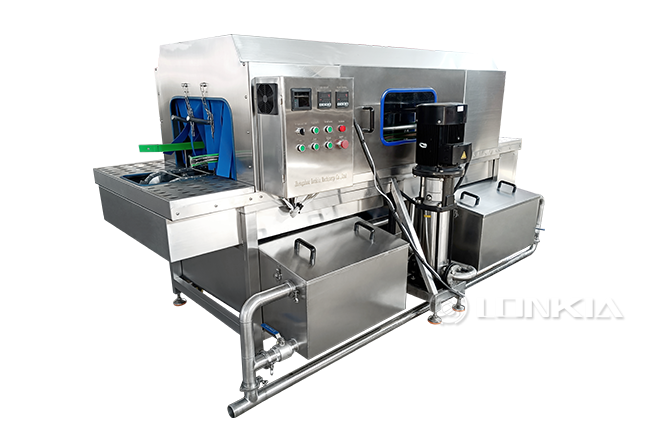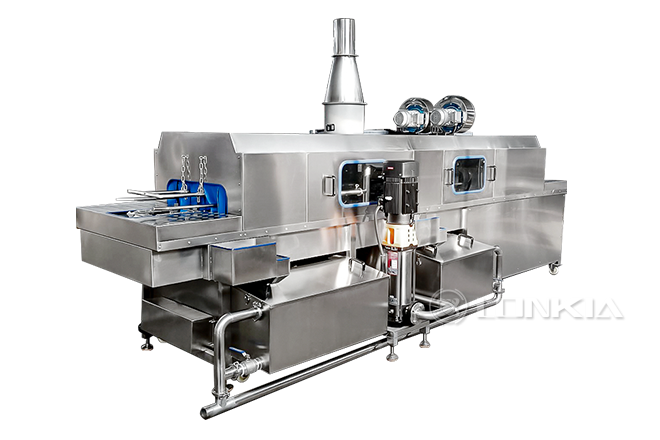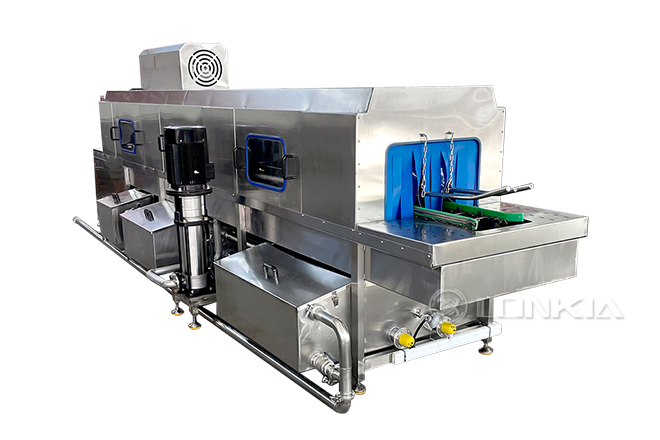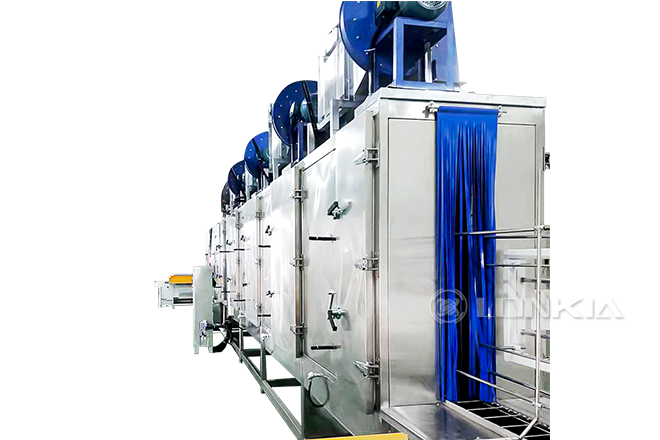
In processing enterprises with high-frequency egg tray turnover, selecting an egg tray washing machine with appropriate capacity not only impacts daily cleaning efficiency but also directly affects labor costs, production rhythm, and overall operational stability. Equipment with different capacities varies in structure, cleaning efficiency, and operational pace. Therefore, understanding capacity matching methods before procurement is crucial. The following content provides a practical selection reference for users.
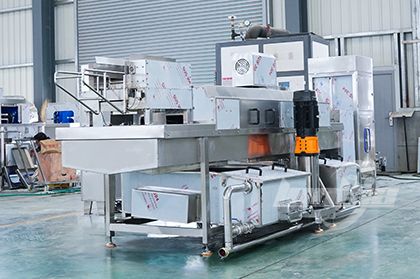
Capacity and Conveyor System Relationship: Speed Determines Efficiency
An egg tray washer's capacity is primarily determined by conveyor speed. The width of the conveyor chain plates, tray arrangement method, and operating speed directly impact the hourly throughput.
- Stability of Chain Plate Material: 304 stainless steel chain plates operate more smoothly, preventing tray misalignment.
- Tray Arrangement Method: Single-row versus double-row configurations result in significant capacity differences.
- Speed Adjustability: Equipment with variable frequency speed control flexibly adapts to diverse cleaning requirements.
For fast-paced egg processing plants and poultry industry washing systems, prioritize structures supporting continuous, stable conveyance to minimize manual intervention.
Number of Cleaning Stages Determines Effectiveness and Actual Capacity
Capacity isn't just a number—it's intrinsically linked to cleaning stage design. Common stages include:
- Pre-rinse Stage: Removes large particulate contaminants
- Main Cleaning Section: High-pressure spraying to remove egg residue
- Rinsing Section: Ensures trays are free of residual detergent
A more comprehensive cleaning section maintains stable cleaning performance even at high throughput. For instance, Lonkia's egg tray washing machines increase spray pipe quantities based on actual capacity needs, preventing cleanliness degradation when throughput rises.
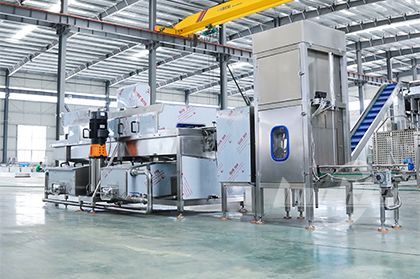
How to Select the Appropriate Capacity for Your Plant?
When choosing an egg tray washer capacity, consider the following aspects:
- Confirm daily egg tray usage and peak demand
- Assess potential future expansion needs
- Provide tray specifications and dimensions to manufacturers for actual capacity calculation
- Define cleaning requirements: Need for deep cleaning? Presence of stubborn residues?
- Consider production line pace and labor-to-equipment ratio
By following these steps, businesses can select egg tray washing machine better suited to their needs rather than relying solely on capacity figures.
Conclusion
Selecting an egg tray washing machine with appropriate capacity not only ensures consistent tray cleanliness but also maintains smooth production line operation and optimizes labor allocation. For enterprises seeking higher efficiency and stability, professional equipment suppliers like Lonkia can provide tailored capacity matching solutions based on tray types, cleaning requirements, and factory rhythms. This ensures the equipment seamlessly integrates into production and delivers true value.