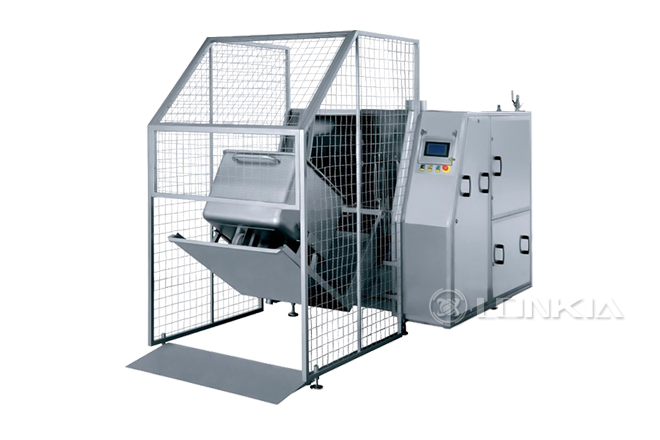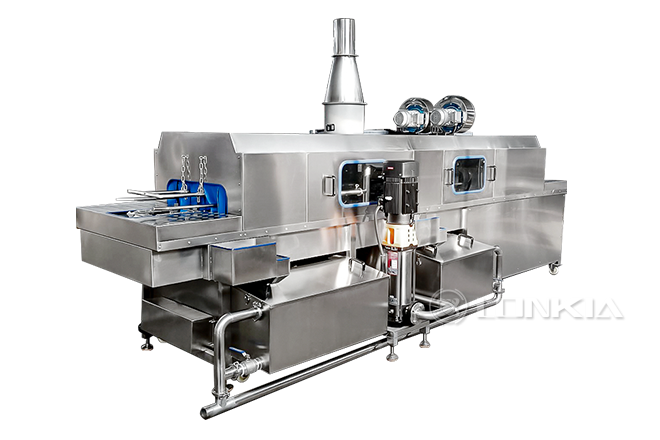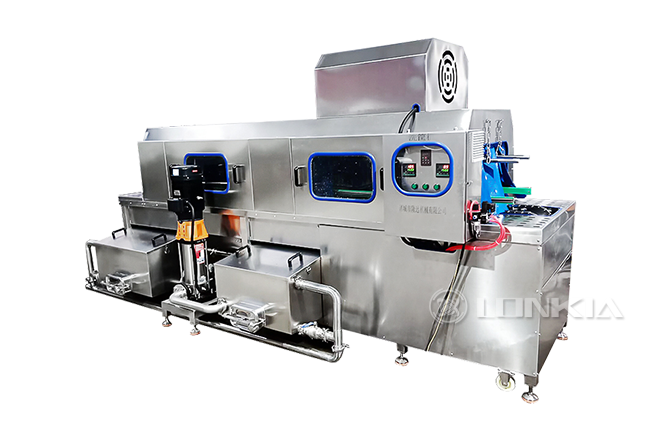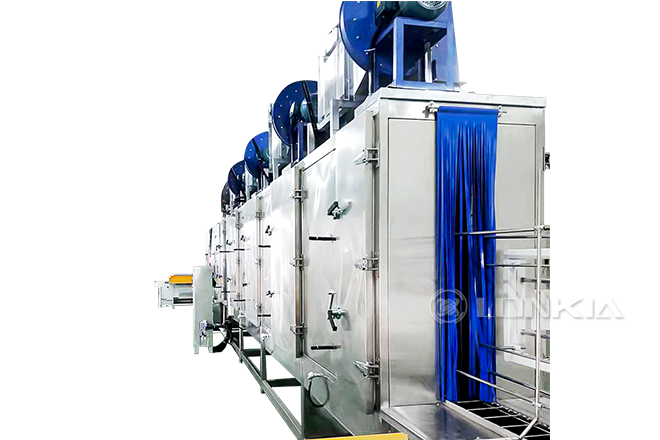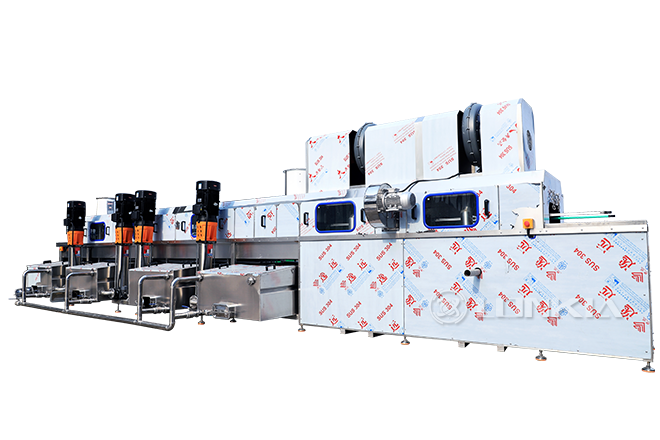
In food processing, logistics distribution, and industrial production, industrial crate washers have become essential equipment for enhancing production efficiency and hygiene standards. For corporate procurement and operations personnel responsible for these machines, attention must extend beyond production capacity and cleaning quality to include understanding the safety precautions that must be followed during daily operation. This ensures employee safety, extends equipment lifespan, and maximizes return on investment.
Pre-Startup Safety Inspection
Before activating the crate washer machine, conduct a thorough inspection:
- Ensure power, water supply, and drainage systems are securely connected with no electrical or water leaks.
- Verify that all safety switches and emergency stop buttons function properly to promptly cut power during anomalies and prevent accidents.
- Ensure no debris, packaging residues, or tools remain inside the cleaning chamber, as these may cause mechanical jams or damage during operation.
These checks are not only prerequisites for effective cleaning but also critical safeguards for safe equipment operation.
Proper Operating Procedures and Personnel Training
Safe operation is fundamental to ensuring the long-term, stable performance of the industrial crate washer:
- Operators must undergo systematic training to familiarize themselves with the control panel layout and the location/function of emergency stop buttons.
- During operation, operators must not insert hands or tools into the cleaning channel to avoid injury from high-velocity water jets and moving components.
- All maintenance and cleaning tasks must be performed with the power and water supply disconnected to prevent accidental equipment startup due to misoperation.
Standardized operating procedures effectively reduce workplace injury risks and enhance overall production efficiency.
Work Environment and Anti-Slip Measures
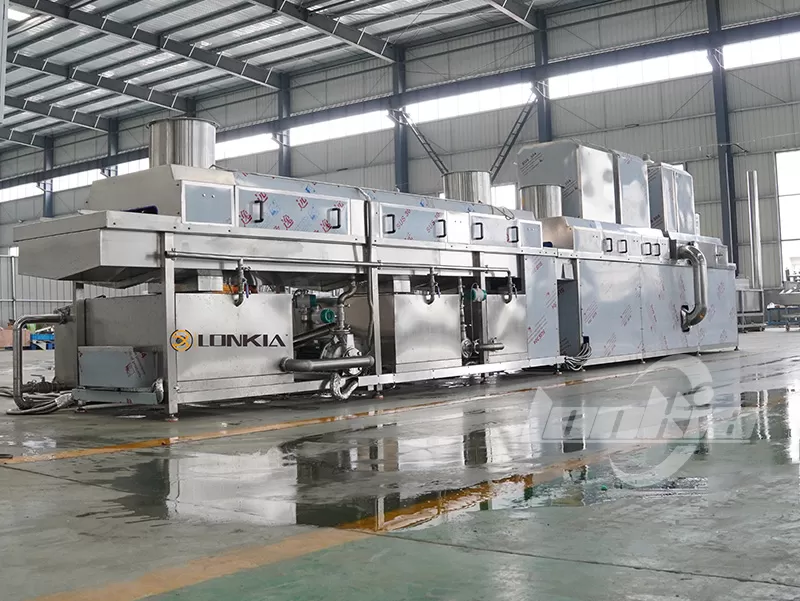
Crate washer machines generate significant water splashes during operation, potentially making surrounding work surfaces extremely slippery. Effective on-site safety controls require:
- Laying anti-slip mats or tiles around equipment to reduce operator slip hazards.
- Maintaining adequate lighting in the work area to enable clear observation of operational status and potential hazards.
- Wearing protective gear (e.g., waterproof boots, slip-resistant gloves) when in proximity to the cleaning channel is necessary to enhance individual safety protection.
Daily Maintenance and Safety Upkeep
Beyond frontline operational safety, daily maintenance of crate cleaning machines is a critical component of safety management:
- Regularly inspect nozzles, chains, motors, and control components to promptly identify and replace worn or faulty parts.
- Periodically clean filters, water tanks, and drainage systems to prevent internal water pressure irregularities or machine malfunctions caused by blockages.
- Conduct periodic maintenance according to the equipment manual to ensure long-term stable operation.
These maintenance practices not only minimize unplanned downtime but also prevent safety hazards arising from equipment aging.
Conclusion: Safety is the Prerequisite for Efficient Production
Selecting a supplier like Lonkia, with extensive experience in crate cleaning machines, ensures both high-efficiency cleaning performance and safety features integrated into the crate washer design. Conducting operator safety training, providing necessary protective equipment, and establishing clear operating procedures are key to enhancing production efficiency and safety management standards.
For further information on industrial crate washer selection, safe operation, or pricing, please contact our professional consultants to receive customised solutions tailored to your production requirements.