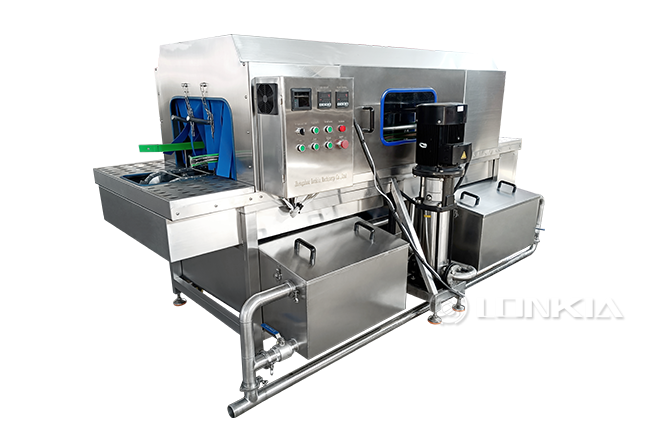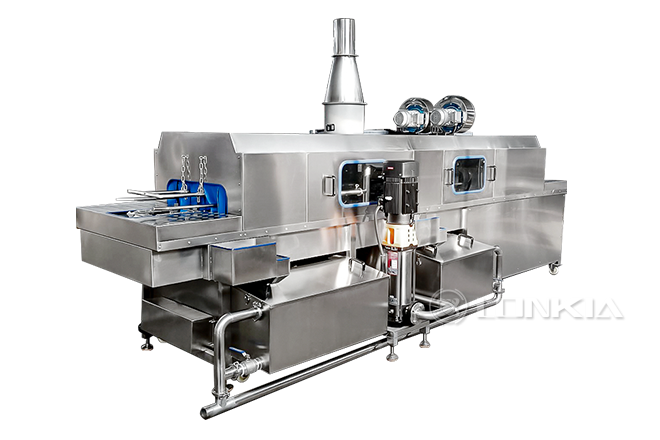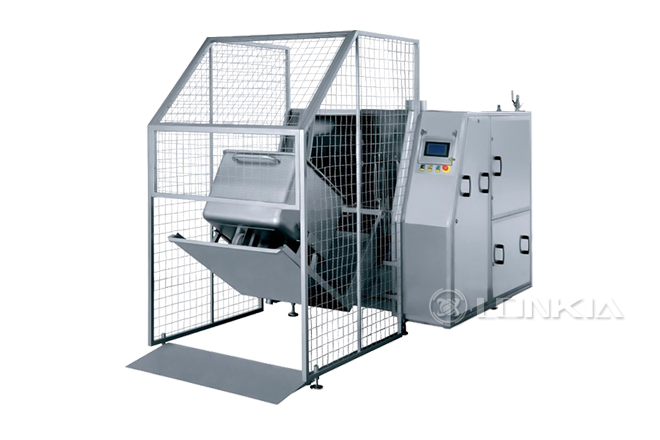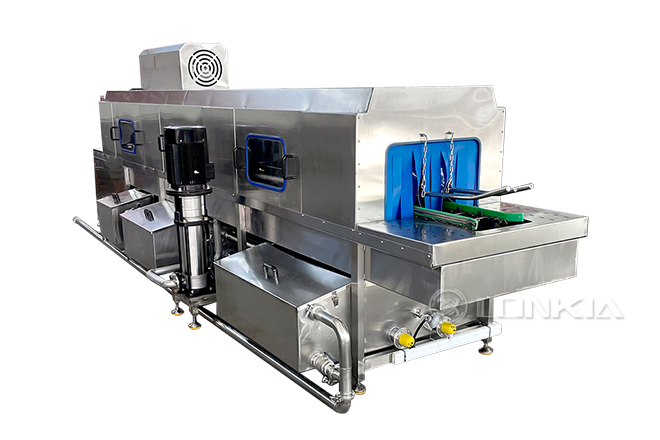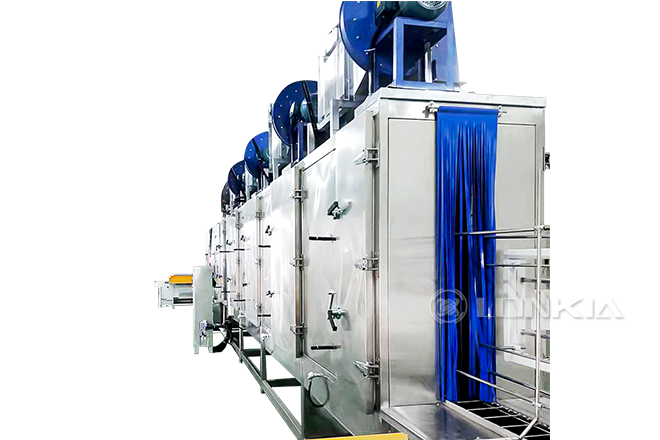
Investing in industrial equipment always comes with the question: “Is it worth it?” For businesses that rely on reusable crates for food, pharmaceutical, or manufacturing processes, the answer is a resounding yes—especially when it comes to industrial crate washing machines. These machines not only improve hygiene and operational efficiency but also deliver a solid return on investment (ROI). Here’s how.
Labor Cost Reduction
Manual crate cleaning is labor-intensive. It requires multiple employees, water, detergents, and long hours to ensure proper sanitization. An industrial crate washer automates this entire process. By reducing manual labor needs, businesses can cut staffing costs significantly. A machine that can clean 500–2,000 crates per hour allows a leaner workforce to focus on more value-added tasks.
Consistent and Improved Hygiene Standards
In industries where contamination can lead to severe consequences—like food processing or pharmaceuticals—consistent sanitation is non-negotiable. Manual cleaning leaves room for inconsistency. Crate washing machines, on the other hand, follow a precise, programmable cleaning cycle, which improves compliance with hygiene standards and reduces the risk of product recalls, liability claims, or penalties.
Water and Detergent Efficiency
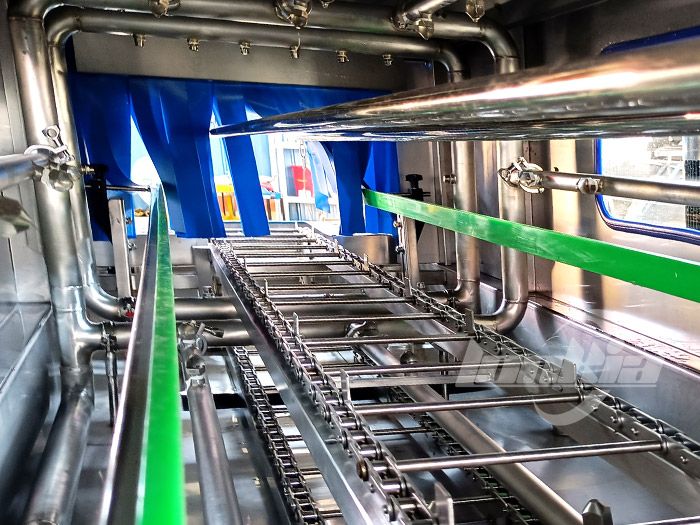
Modern crate washers are engineered for sustainability. They recycle rinse water and use high-efficiency spray nozzles to minimize consumption. This significantly reduces monthly water and chemical costs compared to manual cleaning. Over time, savings on utilities contribute heavily to ROI.
Extended Crate Lifespan
High-pressure hand washing can damage plastic crates over time. Automated washing machines are gentler and offer adjustable settings tailored to crate material and contamination levels. This protects the crates from wear, reducing replacement frequency and long-term packaging costs.
Faster Turnaround and Increased Productivity
Time is money. Clean crates available more quickly means less downtime on the production line and better workflow. By accelerating turnaround time, a crate washing machine improves overall facility throughput—directly boosting revenue.
Reduced Risk of Operational Downtime
Machines designed for high-volume washing come with built-in self-cleaning and maintenance features. This reduces unexpected breakdowns and the associated downtime, helping to keep operations running smoothly and continuously.
Tax Incentives and Asset Depreciation
In many regions, capital investments in equipment can be depreciated or qualify for tax deductions. These financial benefits further accelerate ROI and make the upfront cost of purchasing a crate washer more manageable.
Conclusion
An industrial crate washing machine is more than just a cleaning tool—it’s a strategic investment. From labor savings and water efficiency to improved hygiene and increased productivity, the benefits quickly add up. For facilities aiming to scale sustainably while ensuring safety and compliance, this is one piece of equipment that pays for itself faster than expected.