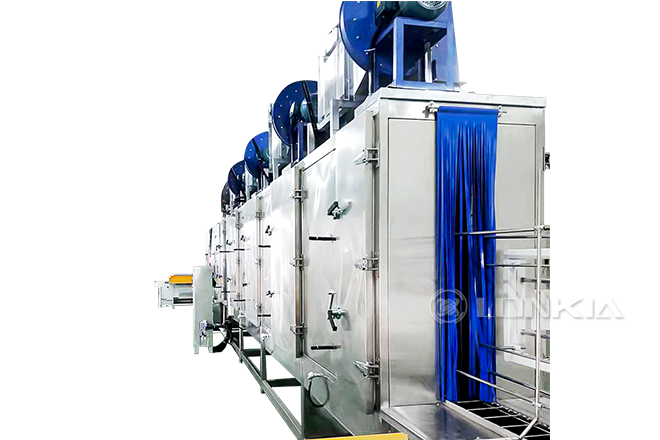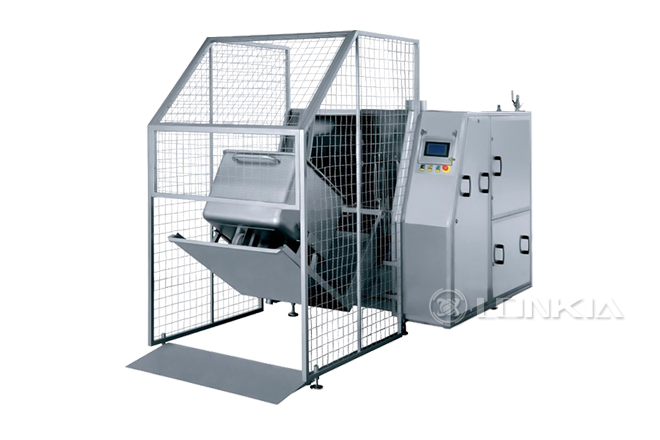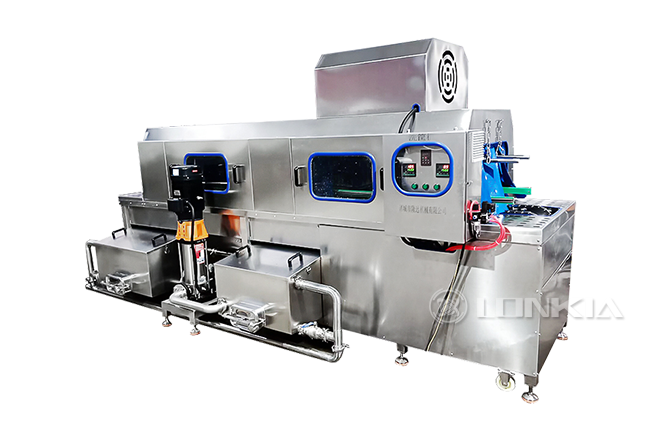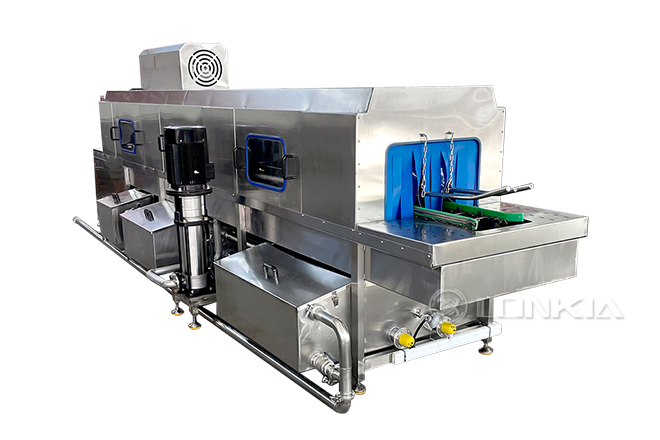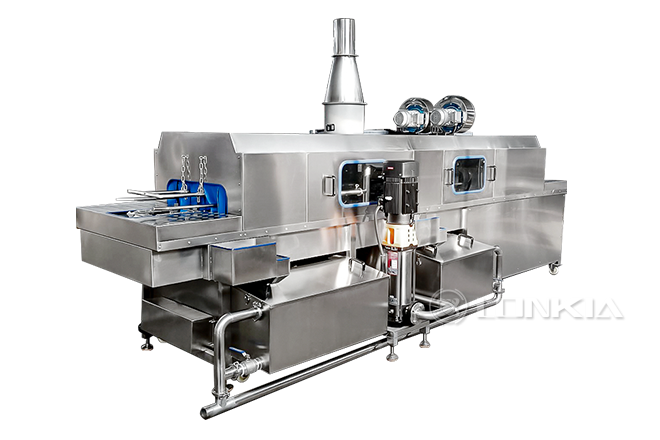
In industries such as food processing, logistics and distribution, and meat and seafood processing, the cleaning efficiency of reusable containers directly impacts production pace and hygiene standards. Insufficient capacity can cause the cleaning process to become a bottleneck, while excessive capacity may lead to waste of equipment resources. Therefore, selecting an industrial crate washer that matches the company's production scale is a crucial step in optimizing the production line.
Assess production requirements: Determine the hourly cleaning volume
Before selecting a machine model, companies must clearly define the number of crates that need to be cleaned daily and hourly. For example, if a crate washing machine factory generates 800 crates per hour that require cleaning, the machine's rated processing capacity should be slightly higher than this figure to accommodate peak periods. LONKIA's crate washer machines offer multiple configurations ranging from 100 to 2,000 crates per hour, capable of meeting the needs of businesses of various scales.
Key technical parameters of the machine
A high-performance industrial crate washer is not only about cleaning speed but also about meeting production requirements in multiple aspects:
- Multi-stage cleaning system: Designed with multiple stages such as pre-washing, high-pressure spraying, and hot water rinsing to ensure the removal of stubborn stains and residues.
- Adjustable conveyor speed: Through variable frequency control, the operating speed can be flexibly adjusted according to actual workload.
- Compatible with various box types: Supports standard specifications such as E1, E2, E3, as well as custom non-standard box designs.
- Water-saving recirculation system: Water is filtered through multiple stages and reused, reducing operational costs.
Customized solutions based on industry characteristics
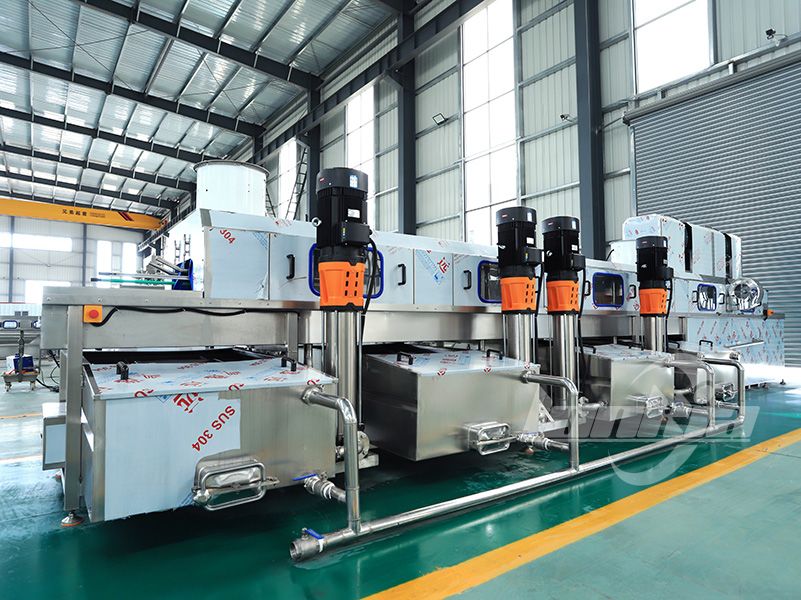
Different industries have varying requirements for cleaning effectiveness and speed of crate cleaning machine. For example, the meat processing industry prioritizes the removal of grease and blood stains, while the fruit and vegetable industry requires efficient removal of sand and plant residues. LONKIA industrial crate washers can be customized in terms of nozzle angle, water temperature, and heating methods to adapt to customers' specific production environments.
Conclusion
Selecting an industrial crate washer with appropriate capacity is crucial for businesses to enhance efficiency, control costs, and ensure hygiene. By comprehensively evaluating production volume, crate specifications, and industry characteristics, combined with LONKIA's flexible customization solutions, businesses can not only obtain highly compatible cleaning equipment but also achieve higher economic benefits in long-term operations.