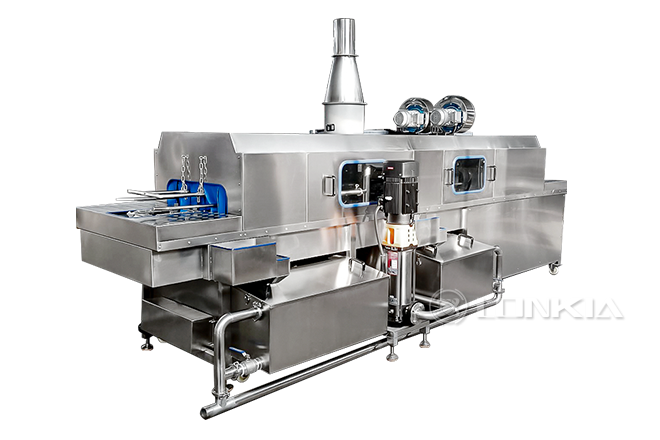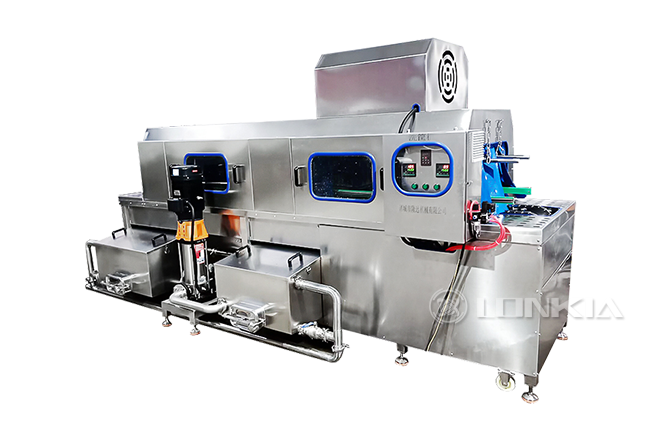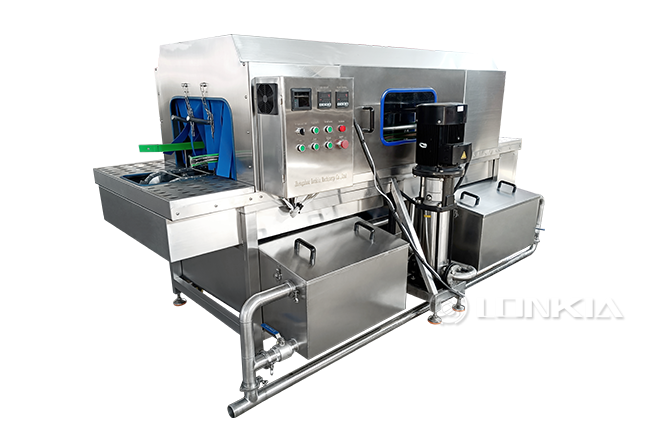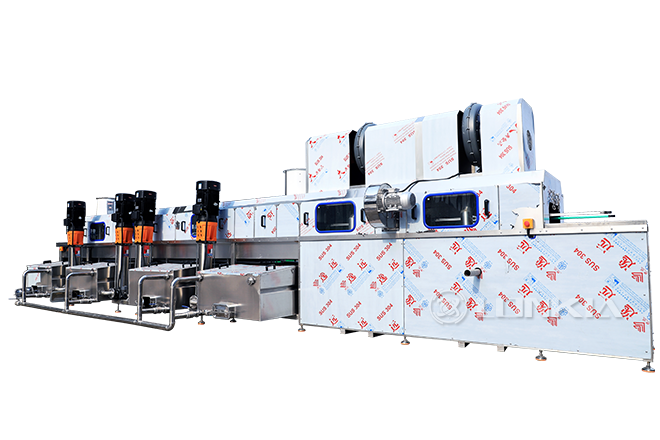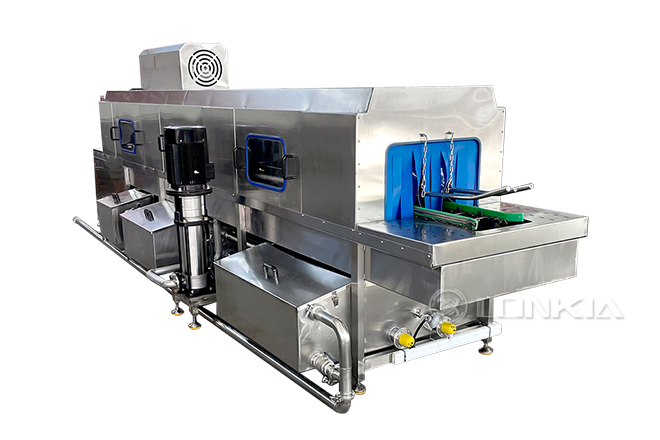
For many food processing plants, beverage factories, agricultural product sorting centers, or logistics distribution warehouses, standard-sized washers often fall short of fully meeting practical needs. Variations exist in container dimensions, shapes, contamination levels, tank space, and cleaning volumes. Compared to off-the-shelf equipment, opting for a custom-designed container washer better aligns with your actual production environment, ensuring cleaning effectiveness, operational efficiency, and equipment longevity.
Suppliers like Lonkia, with in-house design and manufacturing capabilities, can customize spray systems, water circulation methods, conveyor belt designs, and dimensions based on your container specifications and cleaning requirements. This ensures the equipment achieves the "best fit for your production line."
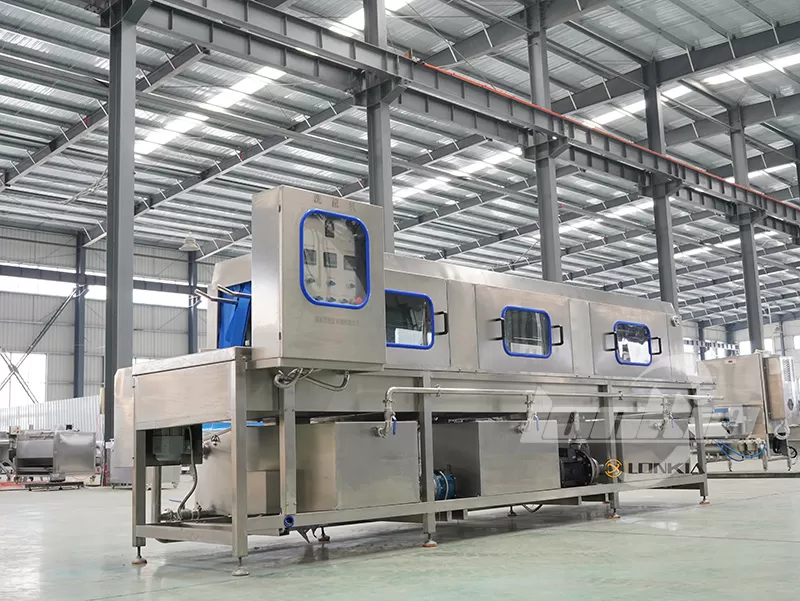
📐 Key Parameters to Clarify Before Ordering
To ensure the customized container washer truly suits your facility, prepare the following information when contacting suppliers or submitting requests:
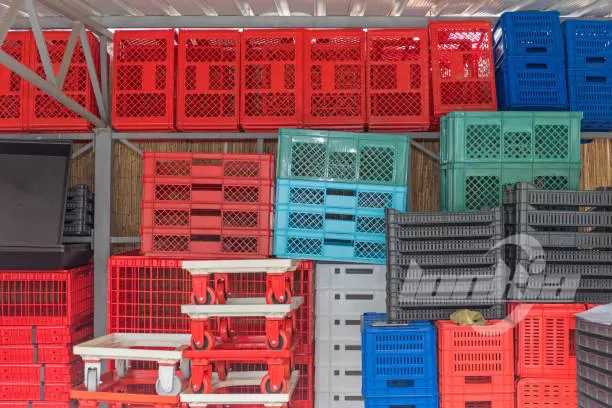
- Container Dimensions & Shape — Length × Width × Height, including any special structures (e.g., lids, holes, grooves). This allows crate washer manufacturers to design appropriate spray angles, nozzle quantities, and conveying methods.
- Cleaning Volume / Production Capacity Requirements — How many containers do you need to clean daily? What is the cleaning frequency? These factors determine container washer conveying speed, pump power, and specifications for the spray system and water circulation system.
- Contamination Type and Cleaning Intensity — Are residues primarily soil from fruits/vegetables? Or grease, sauces, or stubborn stains? This determines whether heating, high-pressure spraying, soaking, or enhanced filtration systems are required.
- Factory Space & Interface Conditions — Available installation space, water/electricity supply conditions, water source quality, water pressure, water temperature compliance, and voltage standards are all critical factors for custom design.
- Automation Level & Operation Method — How automated do you want the operation? Manual loading/unloading, or automated feeding/discharging, PLC control panels, and automated programs?
- Maintenance and Cleaning Accessibility — Custom designs should account for maintenance space, ease of filter/nozzle cleaning, and convenient tank drainage/replacement to ensure long-term stable operation.
⚙️Common Configuration Options for Custom Container Washers
Based on varying client requirements, custom washers typically offer the following modular configurations/functions — understanding these helps clarify discussions with manufacturers and facilitates comparing solutions:
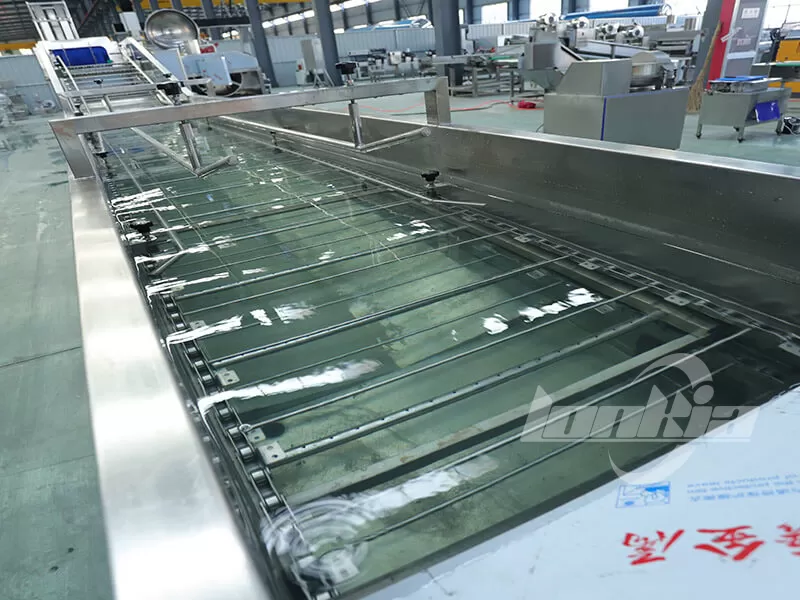
- Multi-directional / 360° Spray System — Internal and external nozzles spray water from multiple angles to ensure thorough cleaning of all container surfaces and corners. Particularly suitable for complex shapes or containers with recesses. Similar equipment typically employs rotating spray arms + multi-nozzle designs.
- Multi-stage cleaning process — Includes pre-wash, main wash, high-pressure spray, rinse, (if required) disinfection/hot water rinse, air drying/air knife water removal, ensuring containers are thoroughly cleaned and dried.
- Recirculating water + filtration system — Filters and recirculates water used in the main wash, reducing water consumption and operating costs while maintaining consistent spray water quality and cleaning performance.
- Adjustable Pump / Spray Pressure — Selects appropriate pressure based on container soiling to prevent damage or inadequate cleaning. Ideal for facilities that frequently wash diverse container types.
- Automated Control + Conveyor System — PLC/control panel + chain conveyor/belt enables automatic loading/unloading, automated cycle washing, and reduced manual intervention. Suited for high-capacity, batch production scenarios.
🔍What to Prepare Before Contacting Custom Suppliers
Before submitting inquiries/quotation requests, ensure smooth communication and accurate solutions by:
- Listing container specifications (structure, dimensions, material, expected throughput, water stains/contamination types, etc.)
- Preparing factory layout diagrams (cleaning zone space allocation, water/electricity connections, entry/exit configurations, etc.)
- Define your budget range and expected delivery timeline
This preparation enables more efficient communication with crate washer manufacturers and increases the likelihood of receiving practical, cost-effective custom solutions.
✔️Conclusion
Customizing a container washer is not a luxury choice, but rather a tailored solution for your production line—delivering high efficiency, superior cleanliness, low maintenance costs, and reliable stability. By thoroughly preparing container specifications, cleaning requirements, and factory conditions before ordering and engaging in detailed discussions with suppliers, you can secure a container washer perfectly suited to your needs. For further information on customization options, feel free to contact us for a complimentary customized proposal and quote.