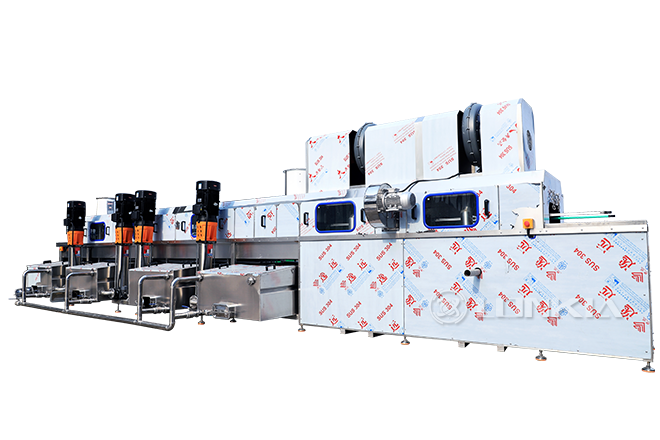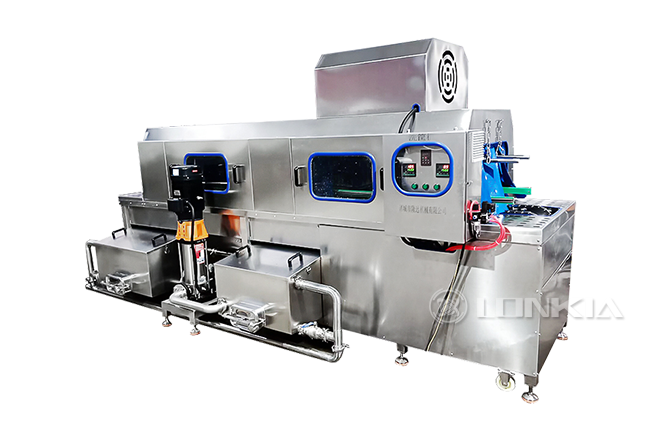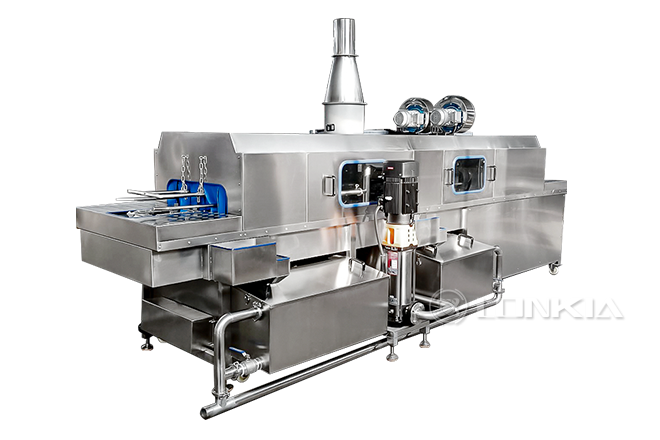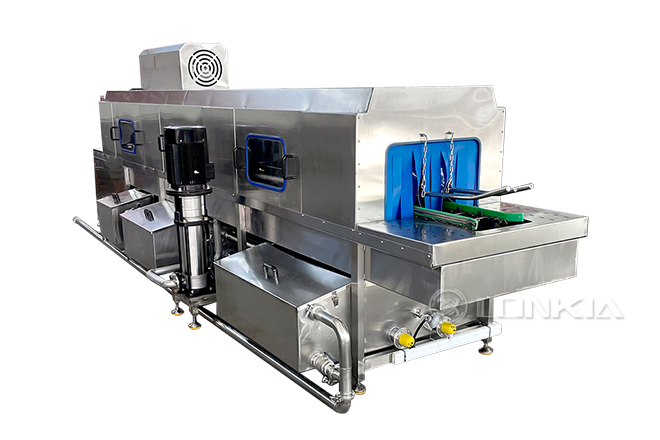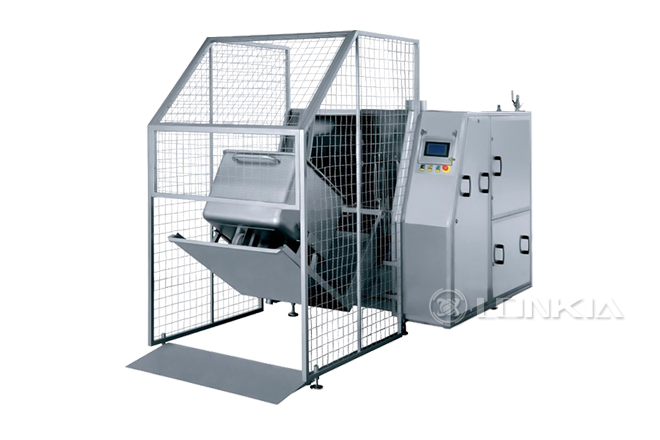
In industries such as food processing, logistics and warehousing, and aquaculture, various types of crates, bins, and trays are containers used with extremely high frequency on a daily basis. As demands for hygiene standards and production efficiency continue to rise, replacing manual cleaning with container washing machines has become an industry trend. However, different types of containers vary significantly in shape, material, and degree of contamination, making the selection of an appropriate container washer machine particularly critical.
Different Container Types Have Distinct Requirements for Washing Structures
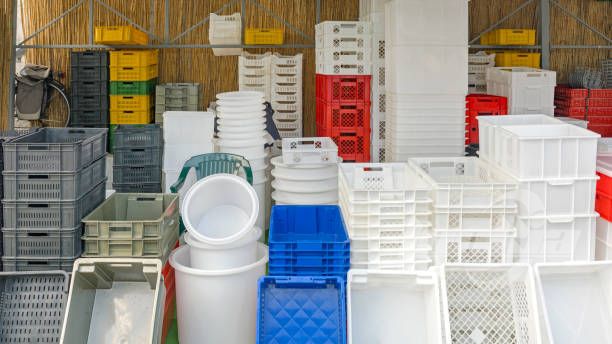
- Crates: Typically standard-sized plastic pallet boxes with four closed sides or perforated sides. Cleaning requires high-pressure, multi-angle spraying to ensure thorough cleaning of both inner and outer walls and crevices with no residue left behind. Such cleaning tasks are typically performed by a crate washer, which features high-pressure, multi-angle nozzles and is suitable for frequently replaced standard containers.
- Bins: These have deep bodies with openings facing upward, requiring higher spray intensity and angle precision, especially in bottom areas prone to residue buildup. A bottom spray system is necessary. For this requirement, a high-performance bin washer can significantly improve cleaning efficiency and reduce labor costs.
- Trays: Trays have relatively flat surfaces and are suitable for high-flow, rapid-through cleaning. We recommend using an industrial tray washer with an upper and lower dual-row spray design to achieve efficient cleaning while preventing water accumulation or residue buildup.
Key Parameters to Consider When Selecting Container Washing Machine
- Conveyor width and container size compatibility: Ensure the container washer machine's passageways matches the maximum container size to prevent jams or cleaning blind spots.
- Spray system layout: Opt for a 360-degree spray system with adjustable nozzle angles to accommodate containers of various shapes.
- Water temperature adjustment function: For oil stains or sticky contaminants, container washing machine with hot water cleaning capability is more effective.
- Filtration and circulation system: An efficient water filtration system extends the usage cycle of cleaning water, reducing water resource waste.
- Modular structure design: Facilitates adjustment of cleaning channels and equipment maintenance, accommodating different batch sizes or multiple container types.
Lonkia Container Washer Machine's Diverse Adaptation Solutions
Lonkia container washing machines adopt a modular combination structure, supporting customization based on different container types, including adjustable spray angles, variable frequency conveying systems, hot water circulation systems, etc., widely used in food factories, aquatic product processing plants, central kitchens, logistics warehousing centers, and other locations. We focus on the practicality and cleaning effectiveness of the equipment to help customers efficiently complete cleaning tasks.
Conclusion: Precise Selection Based on Container Type Is Crucial
For businesses with diverse container cleaning needs, selecting an industrial washer machine capable of adapting to different sizes and structures significantly enhances cleaning efficiency and operational convenience. We recommend clearly defining container types, production volume requirements, and contamination characteristics before purchasing, and selecting a container washing machine with flexible cleaning configurations. If you have any questions about selection, please contact Lonkia, and we will provide professional technical support and configuration recommendations.