In industries such as food processing, beverage production, and meat slaughtering, baskets serve as essential containers for transporting materials and products. However, cleaning these baskets is a time-consuming and labor-intensive process. Many factories still rely on manual cleaning methods, but as production volumes increase, efficiency issues and rising labor costs become increasingly prominent. This article compares basket washing machines with manual cleaning to help customers identify the most suitable cleaning approach.
Limitations of Manual Cleaning
Manual cleaning primarily relies on workers repeatedly rinsing baskets using high-pressure water jets or simple wash basins. While initial investment is low, several significant issues exist:
- Low Efficiency: Cleaning a batch of baskets requires substantial manpower and time, making it difficult to meet the demands of large-scale production.
- Incomplete Cleaning: For baskets coated with grease, blood stains, or powder, manual cleaning often leaves blind spots, making it hard to ensure uniform cleanliness.
- High Labor Costs: As labor wages rise, long-term staffing costs far exceed machine expenses.
- Inconsistent Quality: Variations in cleaning standards among workers compromise production hygiene levels.
Advantages of Basket Washing Machines
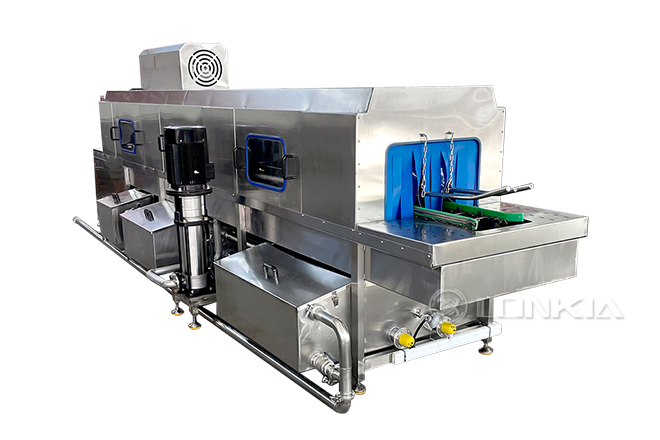
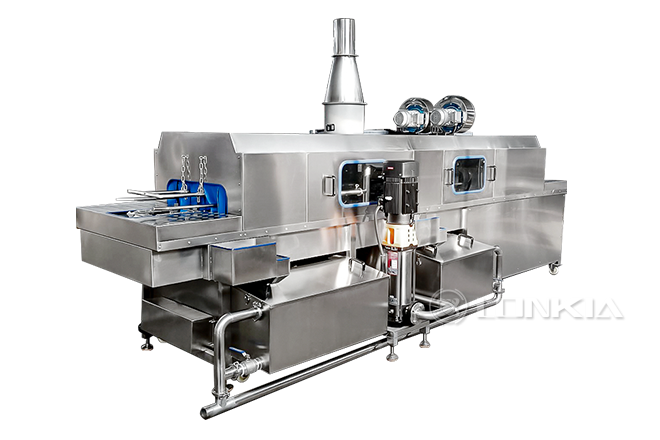
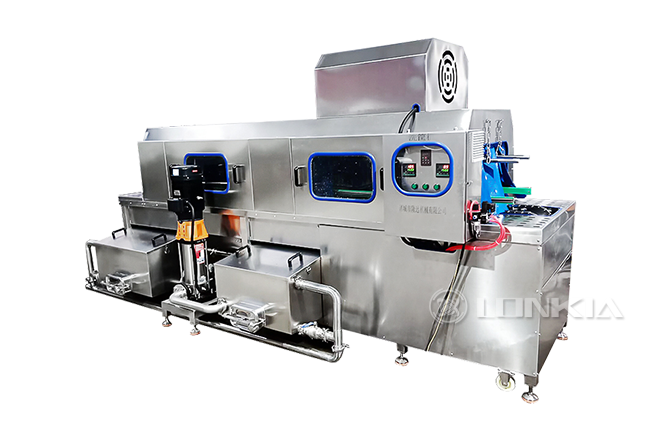
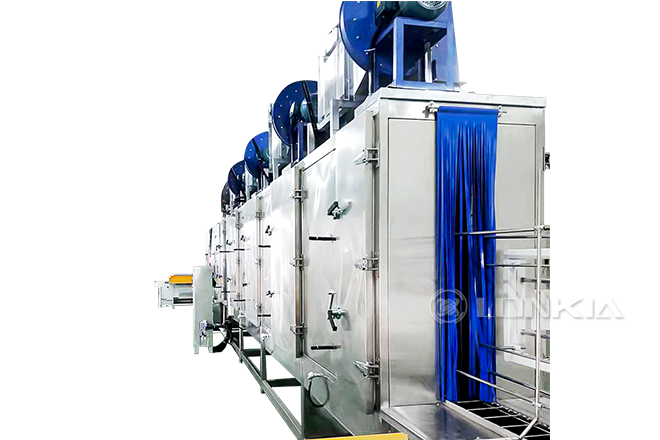
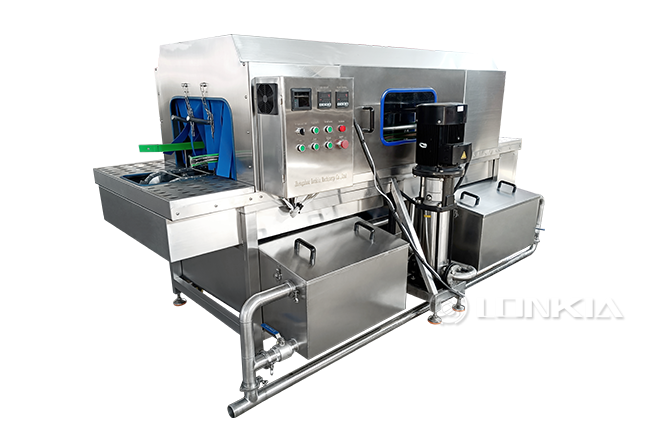
Modern basket washers achieve rapid, standardized cleaning through high-pressure spray systems, recirculating water tanks, and automated conveyors.
- Time Savings: Machines operate continuously, cleaning large batches in minutes—significantly faster than manual methods.
- Consistent Cleaning Results: 360° spray design ensures no surface blind spots, meeting food-grade hygiene requirements.
- Labor Savings: One basket clean washing machine replaces multiple workers, reducing labor costs.
- High Long-Term Returns: While initial equipment investment requires capital, savings in labor, water, and electricity typically recoup costs within a short cycle.
Cost Comparison Analysis
Assuming a production line requires cleaning 1,000 baskets daily:
- Manual Method: Requires at least 4-6 workers operating 8-hour shifts daily. This approach incurs high labor costs while presenting challenges of high physical exertion and inconsistent efficiency.
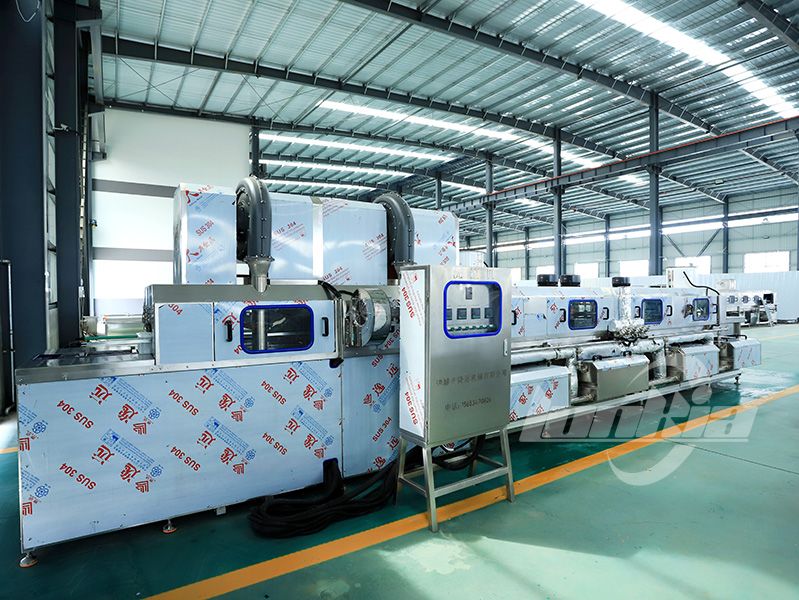
- Basket Washer Method: Requires only 1-2 personnel for operation and handling, with the machine performing fully automated cleaning, significantly reducing labor expenses.
Long-term calculations show that using a basket clean washing machine not only saves labor costs but also boosts overall production efficiency.
Conclusion
For factories with stable output that prioritize efficiency and hygiene standards, investing in a basket washing machine offers greater cost and time advantages. Lonkia possesses mature expertise in basket washing equipment. Its machines feature high-efficiency spraying, robust durability, and user-friendly operation, helping customers save labor while significantly improving cleaning quality.