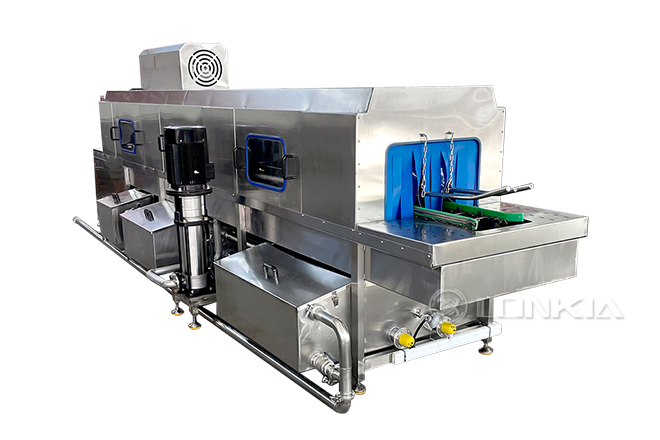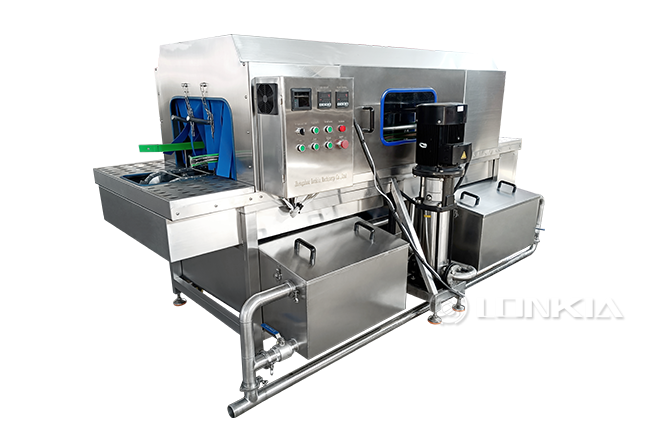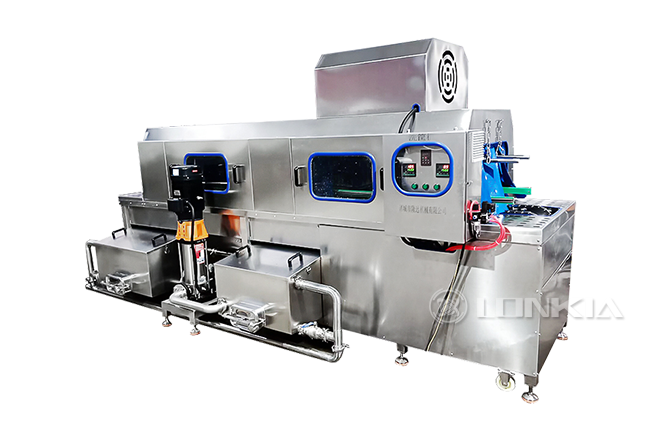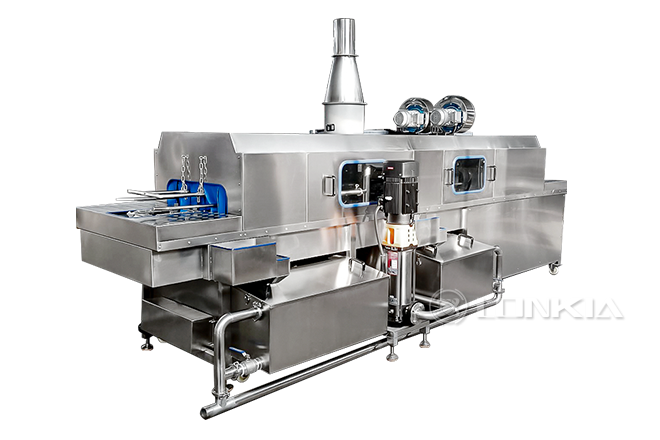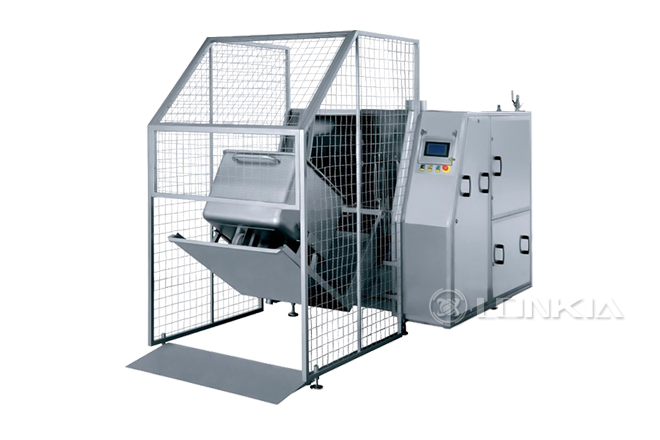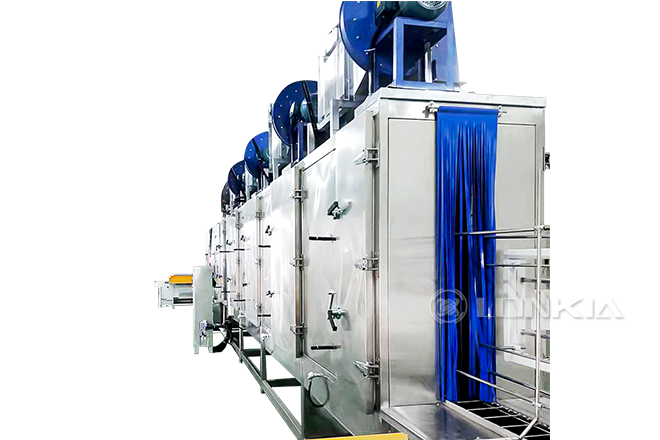
In high-frequency use scenarios such as food processing and central kitchens, the cleaning efficiency and hygiene standards of basket washers directly impact production stability. As a core cleaning piece of equipment, the structural design of a basket washer machine determines its cleaning performance, operational stability, and long-term operating costs. This article aims to help customers truly understand the value of the equipment, thereby enabling them to make more informed purchasing decisions.
Overall Structural Composition: The Core Determinant of Equipment Performance
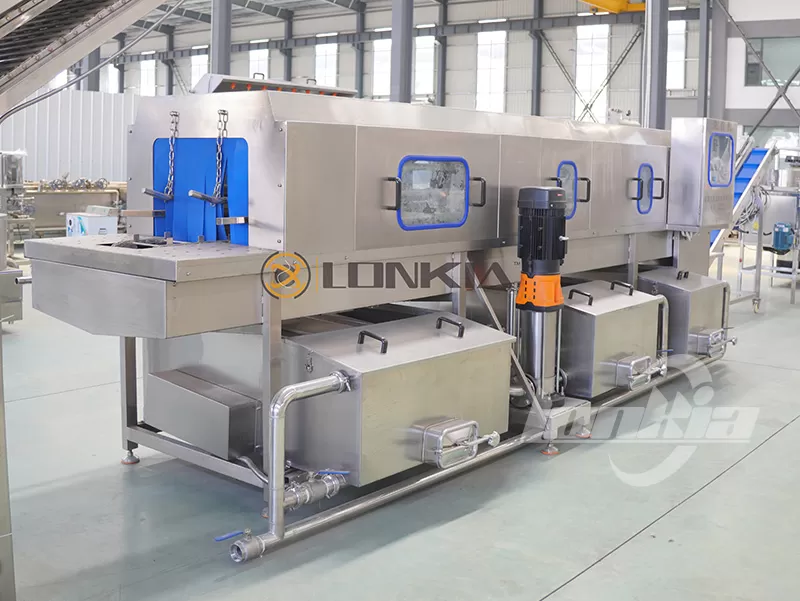
A mature basket washer machine typically consists of the following core modules:
- Conveyor System
- Spray Washing System
- Water Circulation and Filtration System
- Heating System
- Air Drying System (Optional)
The basket washing equipment is generally constructed of stainless steel, offering excellent corrosion resistance and stability to withstand continuous, high-intensity operation. Additionally, its modular design allows the equipment to be customized to meet the specific needs of different facilities, enhancing adaptability.
Multi-Stage Washing Structure: The Key to Thorough Cleaning
Modern basket washer machines generally adopt a multi-stage structural design, including:
- Pre-wash Stage
- Main Wash Stage
- Rinse Stage
This zoned design progressively removes stubborn contaminants, such as grease and protein residues, effectively preventing recontamination. Compared to single-stage washing, this structure significantly improves cleaning quality and is a key configuration that customers must prioritize when selecting equipment.
High-Pressure Spray System: Achieving Cleanliness Without Dead Zones
The spray system is one of the core technologies of the basket clean washing machine. High-quality machines typically feature:
- Multi-angle nozzle layout (covering top, bottom, left, and right)
- High-pressure circulating water flow
- Adjustable spray intensity
This design enables comprehensive rinsing of both the interior and exterior of the baskets, eliminating cleaning dead zones, and is particularly suitable for applications with heavy grease contamination. For customers, this directly determines the thoroughness of the cleaning.
Circulation and Filtration System: A Key Component for Reducing Operating Costs
In actual production, water usage efficiency is a major concern for customers. Basket washers are typically equipped with:
- Dual-layer or multi-layer filtration devices
- Automatic impurity separation mechanisms
- Recirculating water systems
The filtration system effectively traps solid residues to maintain water quality while enabling water recycling, thereby improving overall operational efficiency. This not only reduces maintenance frequency but also lowers long-term operating costs.
Heating and Temperature Control System: A Key Factor in Enhancing Cleaning Performance
To address grease-based contamination, the equipment is typically equipped with a heating system featuring:
- Adjustable water temperature (e.g., 30–60°C)
- Hot water circulation system
- Constant temperature control device
A high-temperature environment accelerates the breakdown of grease, ensuring a more thorough clean. For food processing companies, this is a critical factor in ensuring cleaning quality.
Conveying and Automation System: Enhancing Efficiency and Stability
The conveying system determines the basket washing machine's operational rhythm, including:
- Chain or mesh belt conveying structure
- Adjustable speed control
- Continuous loading and unloading design
Automated conveying not only reduces manual intervention but also allows for flexible adjustment of cleaning time based on the degree of contamination, thereby improving overall efficiency.
Optional Air-Drying Configuration: Optimizing Subsequent Production Processes
Some basket washer machines integrate air-drying modules:
- High-pressure air knives
- Hot air drying
- Rapid water removal design
This configuration reduces residual moisture in the baskets, improves turnaround efficiency, and is particularly suitable for production lines with strict drying requirements.
Why Does Structural Design Determine Equipment Value?
Many customers focus solely on price during procurement, but in reality:
- Structural design determines cleaning effectiveness
- System configuration affects service life
- The degree of modularity determines future expansion capabilities
Taking Lonkia's basket washer machine as an example, its design emphasizes multi-stage washing and modular combinations, allowing for flexible configuration based on different production needs, and offering greater stability and adaptability in actual use.
Summary
From a structural perspective, a high-quality basket washer machine is not merely a "cleaning device," but a system solution that integrates cleaning, filtration, heating, and automation.
When selecting equipment, customers should focus on the following:
- Does it feature a multi-stage cleaning structure?
- Does the spray system provide comprehensive coverage?
- Is it equipped with a high-efficiency filtration system?
- Does the level of automation meet production requirements?
Only by understanding the container washing equipment's structure can you truly select a cleaning solution suitable for your production line, thereby achieving dual improvements in efficiency and stability.